Underwater concrete demolition is a different challenge to dry-site breaking.
Access is restricted. Visibility is limited. Shock and vibration travel differently once force is transferred through water. What feels controlled on land can quickly become unpredictable when submerged.
Whether you are modifying bridge piers, removing slipways or altering culverts, the demolition method you choose directly affects safety, structural integrity and compliance.
Breaking concrete underwater is rarely about maximum force. It is about applying the right force in the right way.
Why Underwater Demolition Needs a Controlled Approach
Water transfers energy efficiently. That means vibration and shock can travel further than many expect.
On marine and river structures this can create genuine structural risk. Impact can affect retained sections of concrete that are not being removed. It can disturb foundations or adjacent piles. It can also increase the likelihood of cracking in ageing infrastructure.
Environmental control is another factor. Marine authorities may monitor excessive disturbance. Noise and vibration underwater can raise concerns in regulated environments.
Because of this, underwater concrete demolition demands adequate planning and control.
Common Underwater Concrete Demolition Methods
Several methods are typically used for underwater concrete demolition, depending on scale and environment.
Mechanical Impact Breaking
Hydraulic breakers are frequently used underwater, either handheld by divers or mounted from barges.
They offer:
- Immediate visible results
- Familiar equipment for demolition teams
- Suitability for open structures
However they also introduce:
- High vibration transfer
- Shock movement through water
- Reduced visibility once breaking begins
- Increased diver fatigue
Mechanical breaking works well on isolated structures where nothing adjacent needs protecting. It becomes more problematic on selective removal jobs.
Explosive Demolition
Blasting is sometimes used in large-scale marine demolition.
It delivers:
- Rapid fragmentation
- Efficient removal of major structures
But it also requires:
- Specialist explosive licensing
- Marine authority approval
- Strict exclusion zones
- Environmental assessment
- Detailed safety planning
Shockwaves travel efficiently through water which increases the impact radius. For partial removal or refurbishment work, explosives are often disproportionate to the task.
Cutting and Separation Systems
Diamond wire cutting and underwater saws are commonly used where precise separation is required.
They provide:
- Reduced vibration compared to impact
- Defined structural cuts
- Suitability for structural alteration
However cutting does not fragment the concrete. It separates it. Lifting and removal are still required.
A Non-Explosive Alternative for Underwater Concrete Demolition
Where vibration is unacceptable, expansion systems offer a controlled alternative.
A non explosive demolition agent works by generating internal pressure inside drilled holes rather than applying external impact.
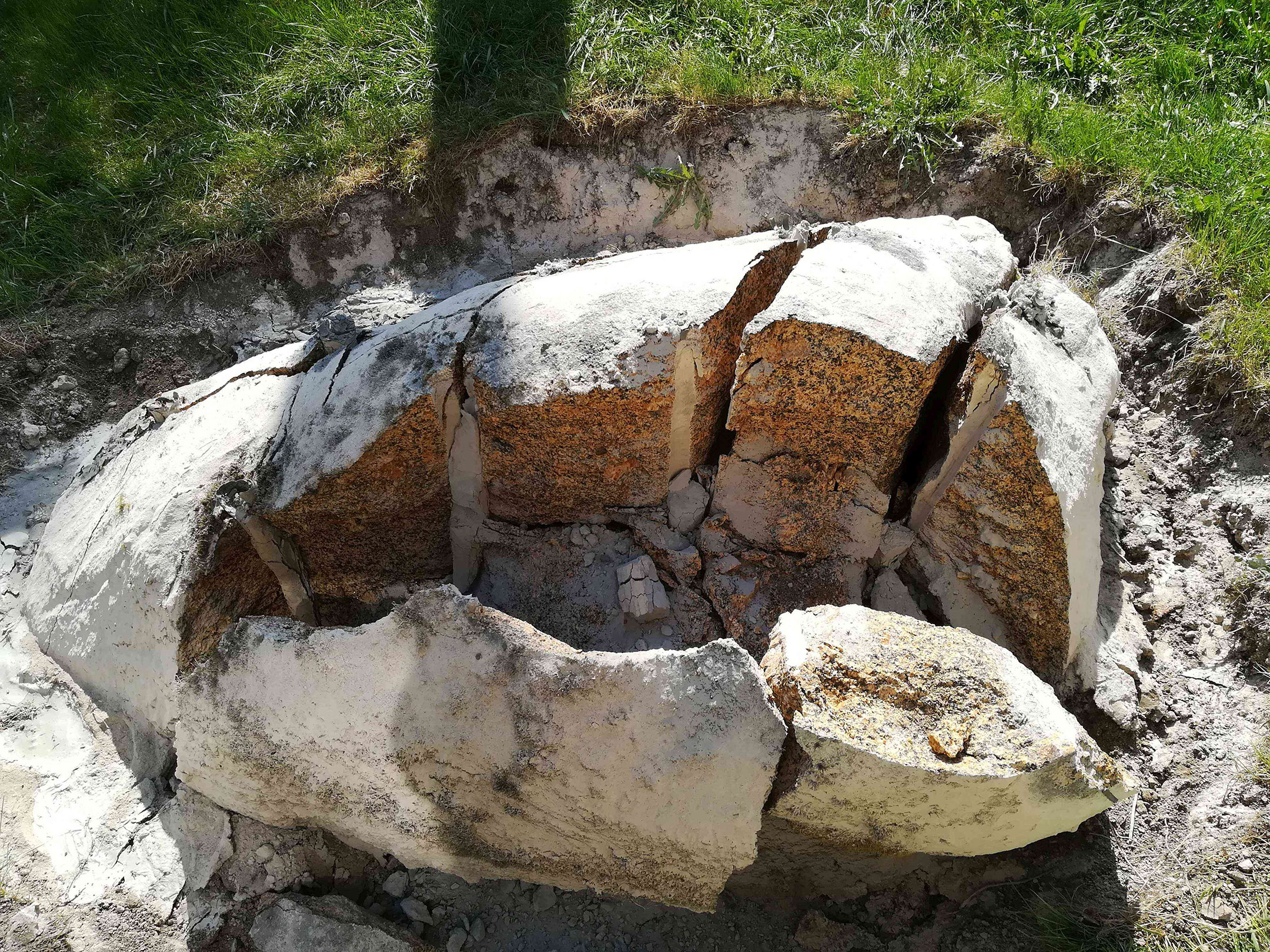
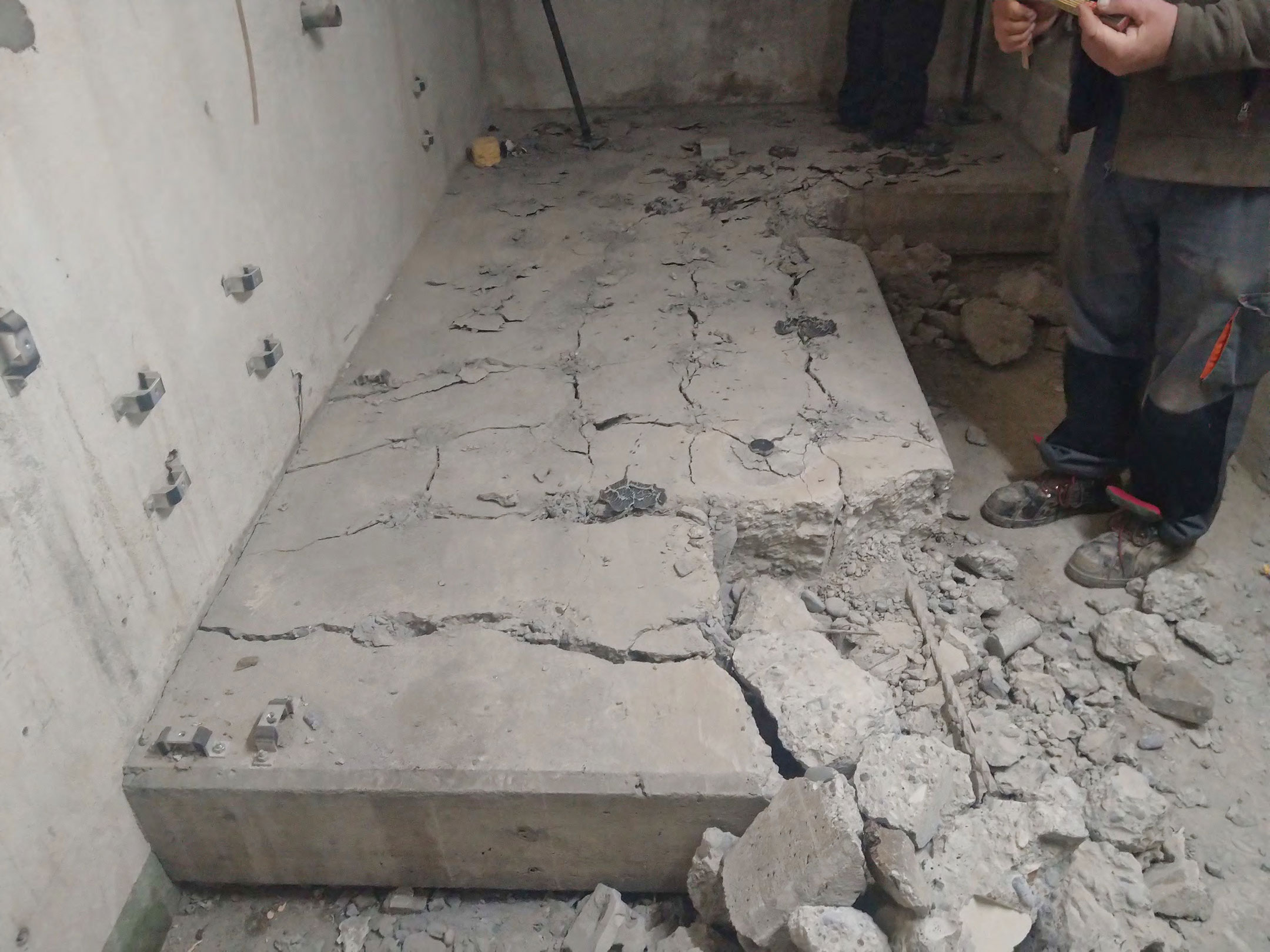
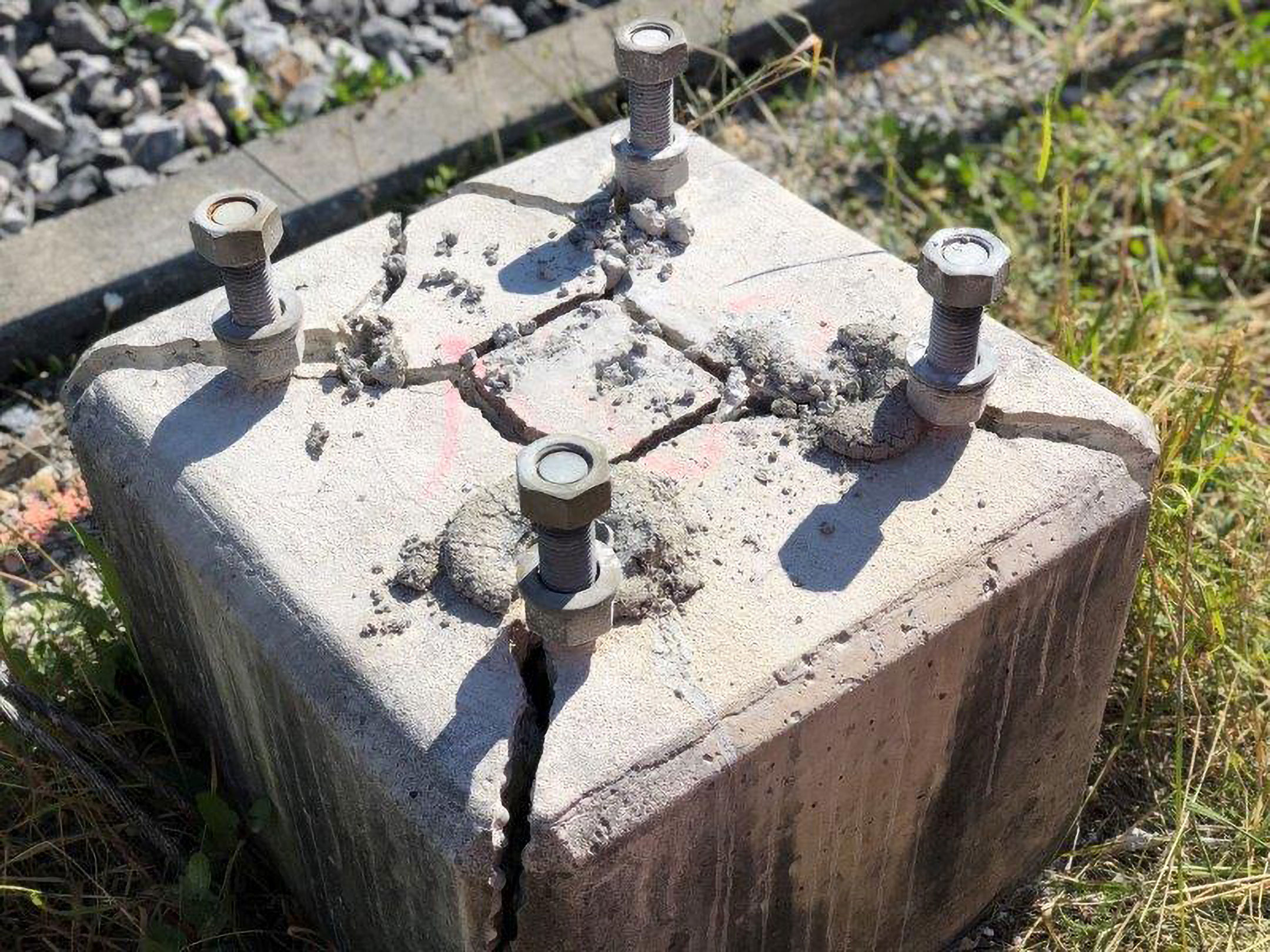
There is no detonation and no shockwave. Instead of hammering the structure apart, the compound expands and fractures the concrete from within.
This approach is widely used for non-explosive concrete demolition in sensitive environments and can be applied in submerged conditions.
How Expansion Systems Work Underwater
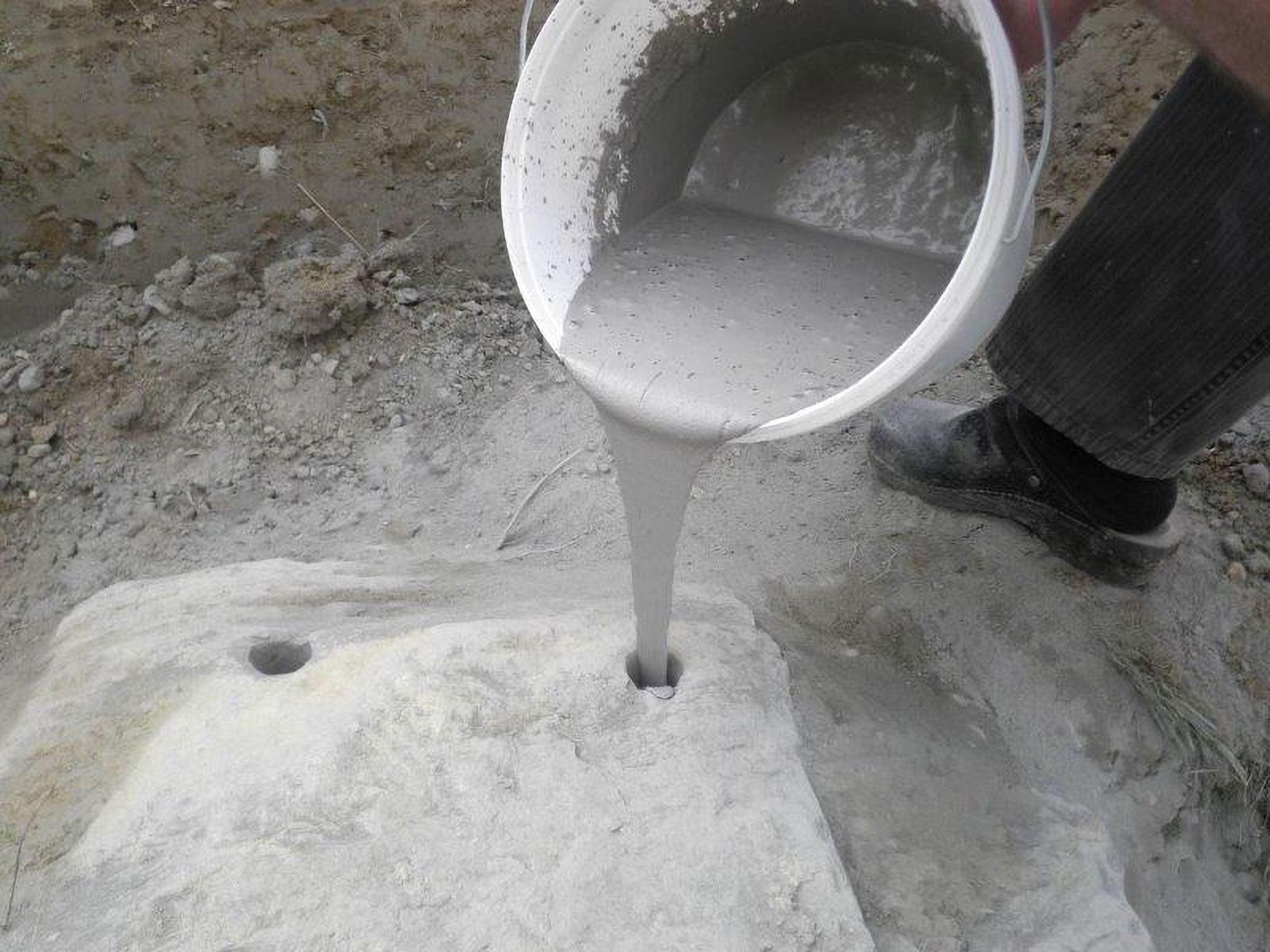
The process remains straightforward even in challenging environments: Drill > Mix > Fill > Wait
Drill the correct hole pattern into the submerged concrete. Mix the compound accurately. Fill the holes fully. Allow expansion to generate cracking pressure.
As the material hydrates, it expands inside the drilled cavity. Concrete is strong in compression but weaker in tension. The internal pressure forces it to crack along natural stress lines.
Products described as expansive mortar or expansive grout are designed specifically for this controlled expansion.
Because the cracking develops gradually:
- There is no vibration transfer
- There is no shockwave
- Retained sections remain protected
- No blasting permits are required
For selective underwater concrete demolition, that predictability is critical.
Comparing Underwater Demolition Methods
When choosing a method, it helps to compare how each applies force.
Mechanical Impact
- Immediate breaking
- High vibration
- Shock transfer through water
- Suitable for open demolition
- Less suited to selective removal
Explosives
- Extremely fast
- Wide shock transmission
- Heavy regulatory requirements
- Suitable for full removal projects
- Rarely practical for small scale work
Cutting Systems
- Precise separation
- Lower vibration
- Specialist equipment required
- Concrete must still be lifted
Expansion Methods
- Gradual cracking
- No vibration
- No shockwave
- Predictable fracture
- No explosive permits
Underwater, where energy transmission is amplified, removing impact from the process significantly reduces structural risk.
Where Non-Explosive Methods Make Commercial Sense
Expansion-based underwater demolition is particularly suited to:
- Bridge pier alterations
- Marina wall repair
- Lock gate refurbishment
- Culvert upgrades
- Partial slab removal
In these projects, the goal is controlled removal rather than wholesale destruction.
Using a non explosive demolition agent allows contractors to fracture defined areas while protecting adjacent structure. It also simplifies compliance by removing explosive licensing from the equation.
Practical Planning for Breaking Concrete Underwater
Even controlled systems require proper planning.
Before starting, consider:
- Drill access and positioning
- Hole depth and spacing
- Water temperature
- Tidal movement
- Diver safety protocols
- Removal logistics once fractured
Once cracked, sections can be lifted in manageable pieces rather than unpredictable fragments. That improves handling safety and reduces secondary structural risk.
Selecting the Right Method for Submerged Concrete Removal
Not every underwater project requires expansion systems.
Large isolated demolition may justify mechanical impact. Major infrastructure removal may justify explosives where permitted.
But where retained structures must remain intact, where vibration poses structural risk, or where environmental control is essential, a non-explosive approach provides a safer alternative.
Underwater concrete demolition is improved by control, not aggression.
Need a Controlled Way to Break Concrete Underwater?
If your project requires underwater concrete demolition without vibration or blasting permits, BETONAMIT® provides a reliable non-explosive solution.
Shop BETONAMIT® today and take control of your submerged concrete removal work.