Hitting solid rock in the garden can stop a project in its tracks.
You start digging for fence posts, levelling ground for a patio or preparing for an extension and suddenly the spade won’t go any deeper. What looked like a small obstruction turns out to be a buried boulder.
For most homeowners, the first thought is hiring a digger. In reality, garden access is usually the limiting factor, not the rock itself.
If you need to crack rock in garden without machinery, there is a controlled way to do it that protects your lawn, plants and nearby structures.
Why Garden Rock Removal Is Different from Site Work
Breaking rock on a construction site is one thing. Breaking rock in a landscaped garden is another.
On domestic projects you are often dealing with:
- Narrow side access
- Finished paving or decking
- Established planting
- Close proximity to house foundations
- Neighbours within metres
Heavy plant can churn up lawns, crack paving and compact soil. Even if you can get a small digger in, you may cause more disruption than the rock itself.
Unlike larger commercial projects, no licence is needed at garden scale for controlled rock breaking. That removes a major layer of complexity.
If you are dealing with larger volumes or commercial-scale rock, read our guide on how to break rocks without explosives.
For typical garden jobs, the focus is practical access and protecting landscaping.
Assessing the Rock Before You Start
Before attempting to remove a boulder from your garden, assess what you are dealing with.
Size and Exposure
Is the rock fully buried or partially exposed? A rock that appears small at surface level may extend much deeper. Dig around the edges first to understand the true size.
Rock Type
Most garden boulders in the UK are sandstone, limestone or granite. Harder stone takes longer to fracture but can still be split with the right method.
Proximity to Structures
Check how close the rock sits to:
- House foundations
- Boundary walls
- Drainage runs
- Paving
- Plant roots
Non-explosive agents avoid vibration that could damage nearby planting, paving or foundations. This is especially important when working close to structures.
Services Below Ground
Always consider buried services such as water pipes or electrical cables before drilling into rock near the house.
Why Machinery Is Often Not Practical
Homeowners often ask, “Can you remove a boulder without a digger?”
In many gardens, the answer has to be yes.
Typical limitations include:
- Narrow alleyways
- Steps or level changes
- Soft ground conditions
- Overhead obstructions
- Restricted working space
Hiring machinery can also mean removing fences or cutting back landscaping just to gain access.
Even if access is possible, lifting a large rock intact can destabilise surrounding soil.
Breaking the rock in place is often safer and more controlled.
Breaking Rock Without Machinery
If you want to break rock without machinery, you need a method that works in situ. This is where controlled expansion systems are used for non explosive rock breaking.
Instead of hammering the rock repeatedly or trying to lift it whole, you split it from the inside.
The process is straightforward: Drill > Mix > Fill > Wait
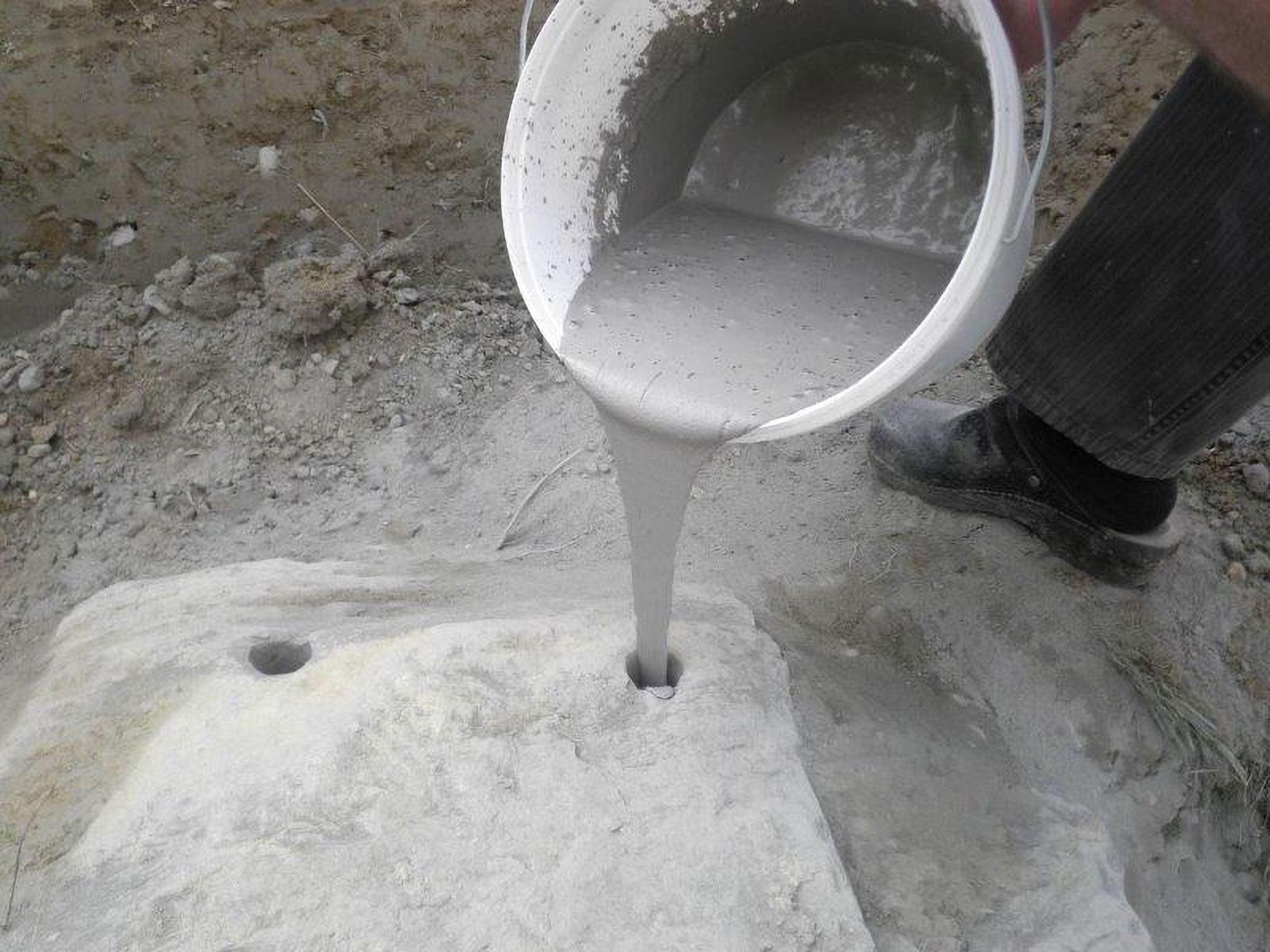
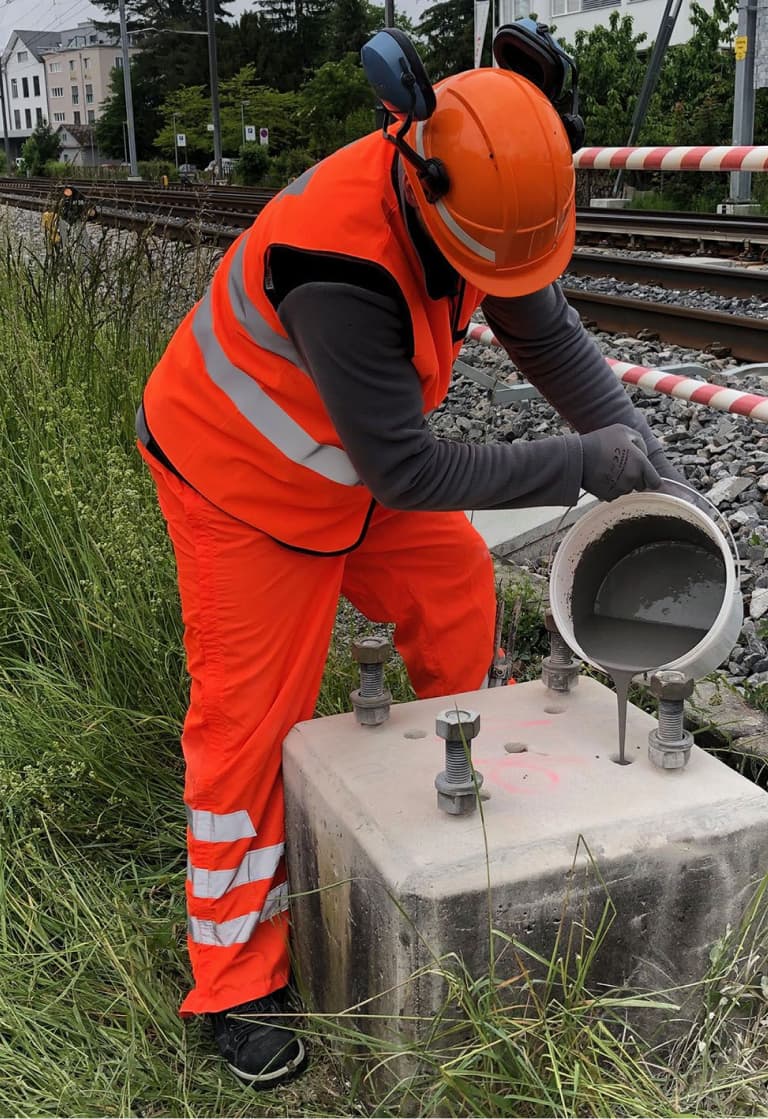
Drill a pattern of holes into the rock. Mix the compound with clean water. Fill the holes fully. Allow expansion to crack the stone.
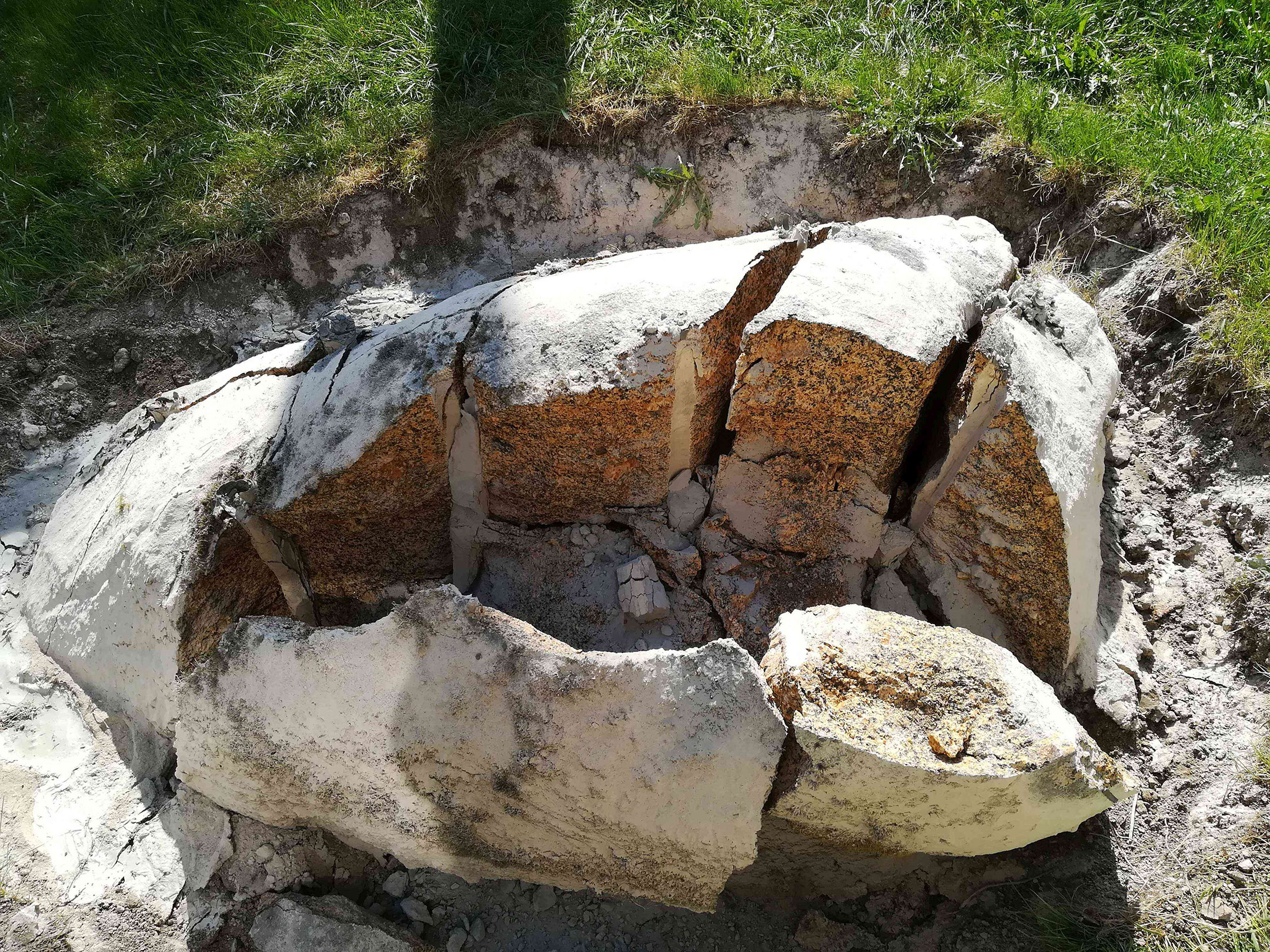
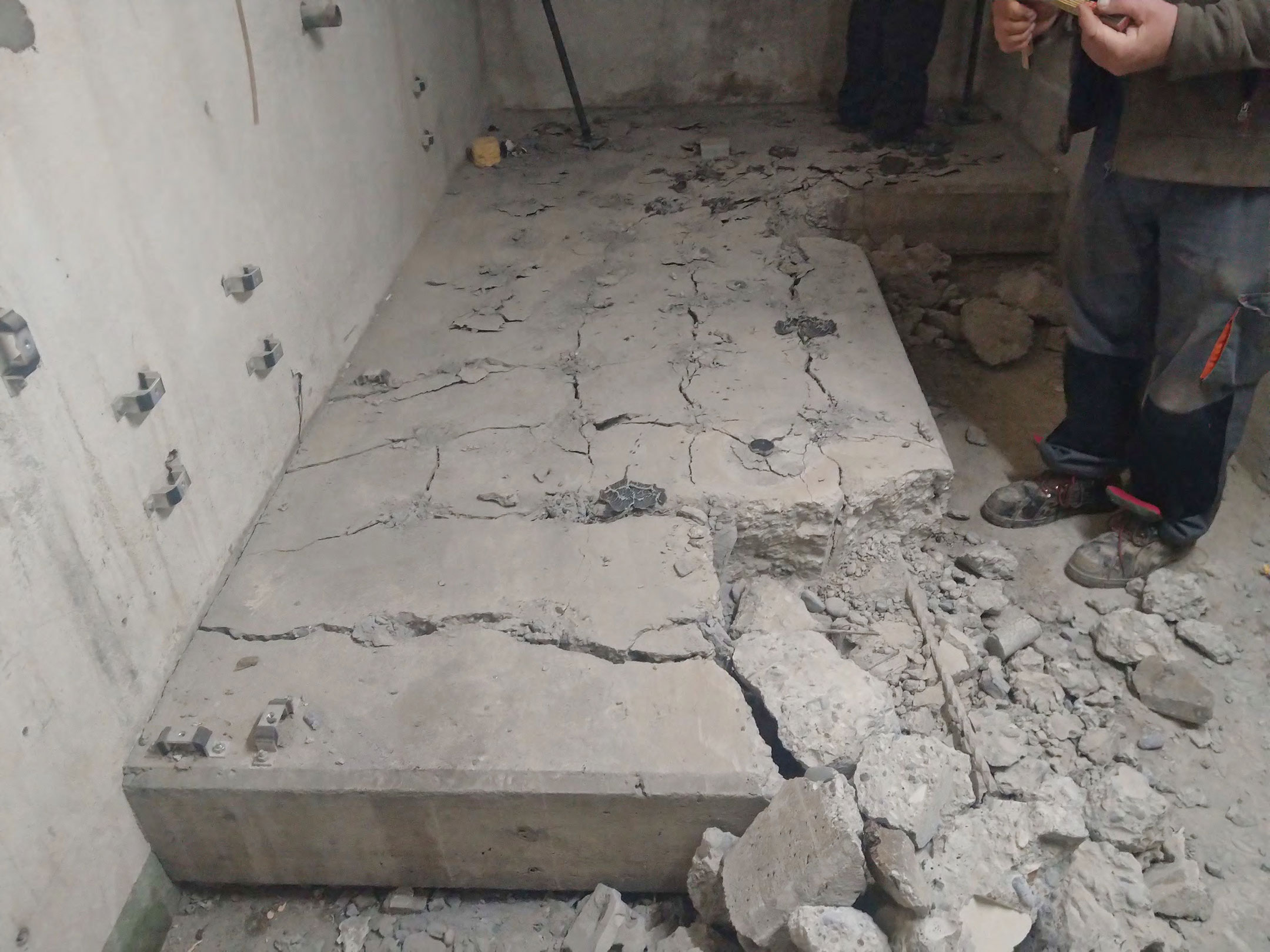
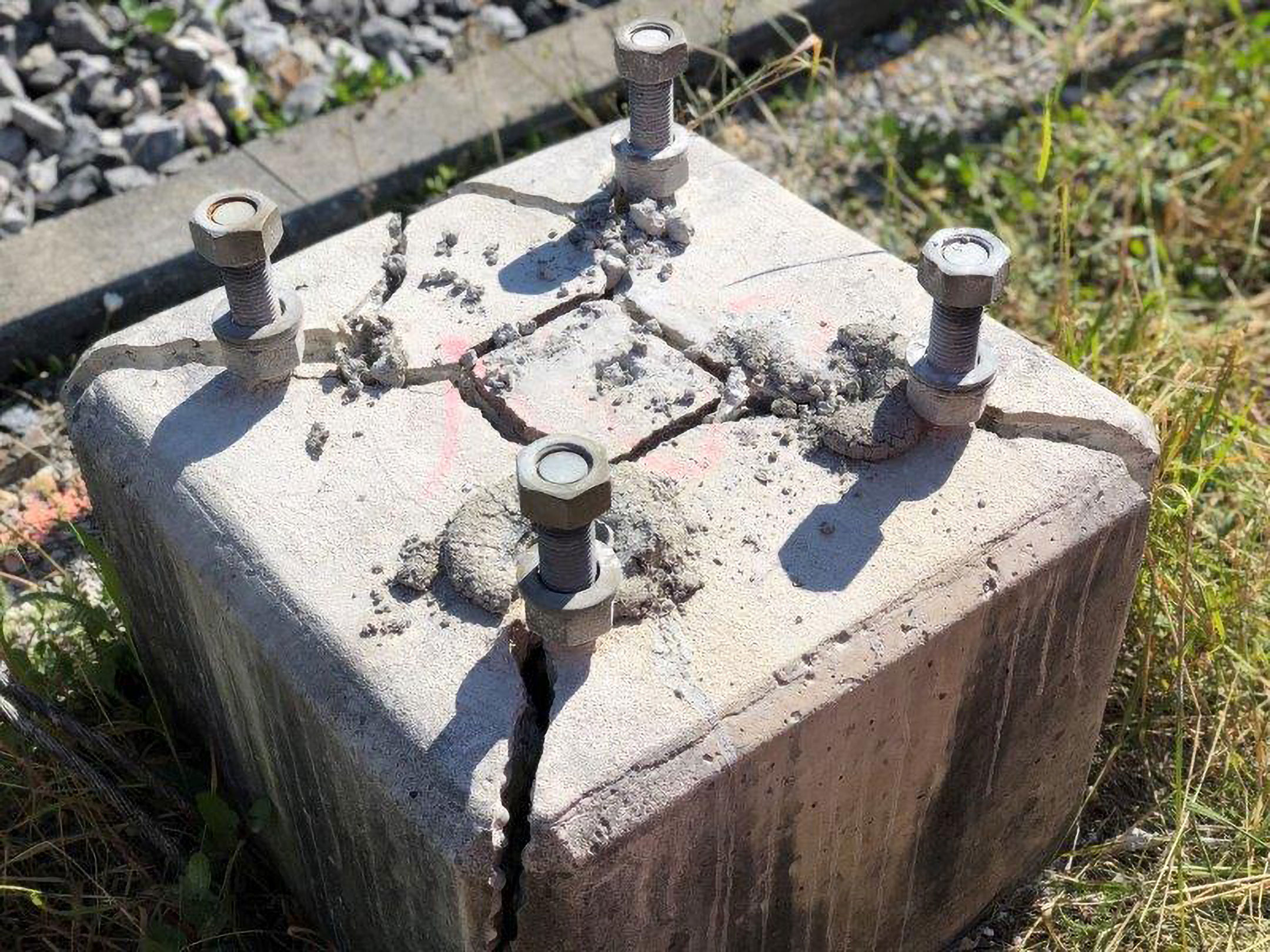
As the material cures, it expands and creates internal pressure. Rock is strong in compression but weaker in tension. That pressure forces it to split along natural lines.
There is no explosion and no shockwave.
For homeowners, that means:
- No heavy vibration
- Minimal noise
- Controlled cracking
- No specialist licence required
How long does it take to break a garden boulder with an expansive agent? Cracking usually develops over several hours, depending on temperature and rock type. It is not instant like a breaker, but it is controlled.
Step by Step: Splitting a Garden Boulder by Hand
If you plan to split rock by hand using an expansive agent, follow a structured approach.
1. Expose the Rock
Dig around the rock to reveal as much surface area as possible. This helps determine drilling layout and ensures soil does not restrict cracking.
2. Drill Holes
Drill vertical holes into the rock surface. Hole diameter and spacing depend on the rock size and type.
Keep holes evenly spaced to encourage clean fracture lines.
3. Clean the Holes
Remove drilling dust. Clean holes allow proper expansion.
4. Mix the Product
Follow the recommended water ratio carefully. Do not over-dilute.
5. Fill and Leave
Fill each hole fully and allow the expansion process to take place undisturbed.
Over time, visible cracks will form across the surface.
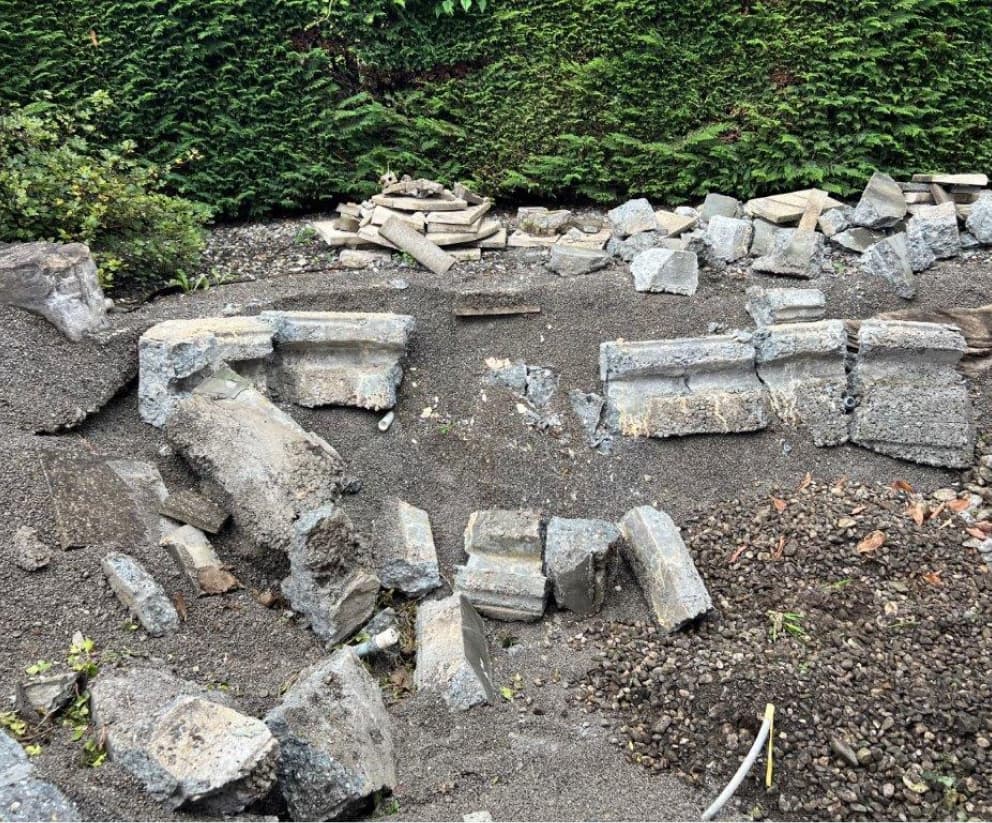
Once cracked, the rock can be broken into manageable pieces with a bar or hammer and removed by hand.
Protecting Your Lawn and Plants
One of the biggest concerns with garden rock removal is protecting existing landscaping.
Impact methods can:
- Shake root systems
- Crack nearby paving
- Disturb soil structure
- Create flying debris
Non-explosive expansion avoids impact vibration during the breaking phase.
To protect surrounding areas:
- Cover plants with breathable sheeting during drilling
- Avoid drilling too close to root systems
- Place boards over lawn to spread weight
- Keep soil moist to reduce dust
Because the cracking is gradual rather than explosive, there is less risk of damaging nearby features.
Is it safe to use expansive agents near a house foundation in the garden? When applied correctly and drilled accurately, expansion is far less disruptive than mechanical impact. Always avoid drilling into structural elements and maintain safe distance from foundation edges.
What Size Rocks Can Be Broken Without Machinery?
Small to medium garden boulders are ideal for controlled splitting.
Very large rock outcrops can still be broken in stages. Instead of lifting one large mass, you fracture it into sections and remove gradually.
Disposal of Broken Rock
Once cracked, rock pieces must be removed responsibly.
Options include:
- Hiring a skip
- Using rubble sacks for smaller volumes
- Reusing stone for garden edging or landscaping features
- Taking waste to a licensed recycling centre
Rock is heavy. Always plan disposal before starting.
To avoid underestimating product requirements, use our calculator to determine how much you need based on hole diameter, depth and spacing.
How Much Does Garden Rock Removal Cost?
Garden rock removal cost depends on:
- Rock size
- Access
- Disposal requirements
- Time involved
Hiring plant increases cost significantly if access modifications are required.
Breaking rock in place without machinery reduces access-related expense and limits landscape repair afterwards.
For many homeowners, the savings come from avoiding digger hire and reinstatement work.
Choosing the Right Solution for Your Garden Project
Cracking rock in your garden does not need to mean tearing up the entire space.
When access is limited and protecting landscaping matters, non-explosive expansion provides a controlled way to break rock without machinery.
There is no licence required at garden scale and no blasting considerations. The method suits small-scale domestic work where precision and minimal disruption are key.
If you are ready to start your project, explore our solutions for non explosive rock breaking and choose the right product for your garden conditions.