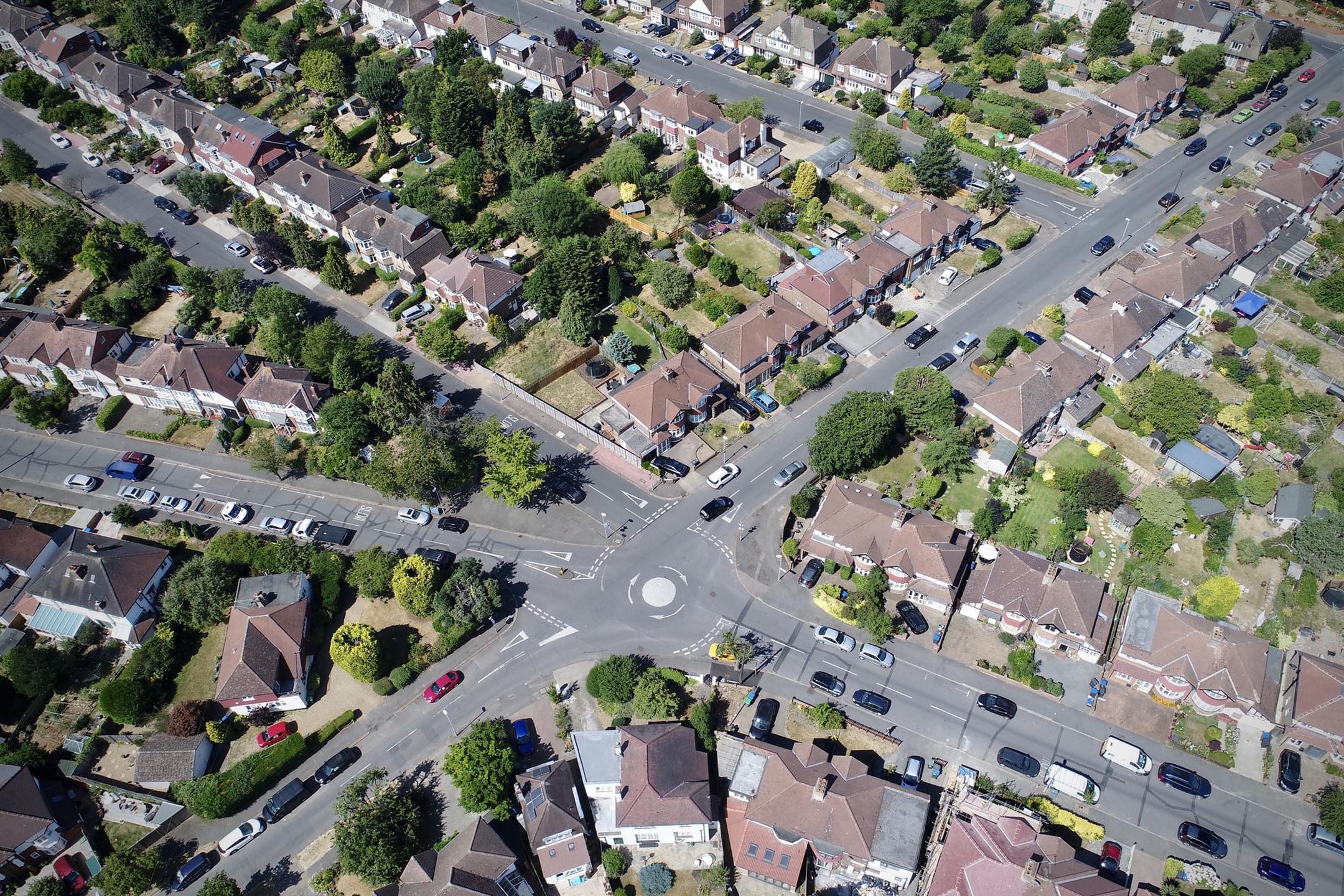
Breaking concrete in a residential street involves considerations that are rarely an issue on industrial sites.
Neighbours are metres away. Walls are often shared. Noise travels through brickwork and floor slabs. What might be acceptable on an industrial site can quickly become a complaint in a built-up area.
Planning low noise demolition solutions before work starts is the difference between a smooth project and a visit from the council.
Why Noise Matters More in Residential Demolition
On commercial sites, surrounding buildings are often separated by distance. In residential areas, structures are physically connected.
Terraced and semi-detached properties transmit vibration through shared walls and floor structures. Impact noise does not just travel through air. It moves through masonry, foundations and structural elements.
This means:
- Breaker vibration can be felt next door
- Noise can amplify indoors
- Complaints escalate quickly
- Enforcement risk increases
Residential demolition noise restrictions are taken seriously by local authorities, particularly where families are occupying adjacent properties.
Planning ahead avoids costly delays from noise complaints once work has started.
Explore our detailed guide on how to break concrete without noise complaints for practical insight into reducing disruption on site.
UK Noise Regulations for Residential Demolition
Demolition work in the UK falls under environmental health and pollution control legislation.
Local authorities can issue noise abatement notices under the Control of Pollution Act. They may also apply Section 60 controls which restrict working hours and methods.
Typical permitted working hours are:
- 8am to 6pm Monday to Friday
- 8am to 1pm Saturday
- No noisy work on Sundays or bank holidays
This varies by council however. Some authorities impose stricter limits in dense residential zones.
Under Section 61, contractors can apply for prior consent to carry out works with agreed noise controls. This requires submitting details of method, timing and mitigation.
Failure to comply with notices can lead to enforcement action, fines or forced stoppage of work.
Choosing quiet demolition methods from the outset reduces the likelihood of enforcement involvement.
Comparing Demolition Methods by Noise and Vibration
Not all demolition tools behave the same way in residential settings.
Jackhammers and Breakers
Impact breakers are the most common tool for concrete removal.
They produce:
- High airborne noise
- Continuous impact vibration
- Structural transmission through floors and walls
- Significant disturbance in terraced housing
Inside a house, the noise can feel amplified. In semi-detached properties, the adjoining wall often acts as a sound bridge.
While effective, jackhammers are not classed as low noise concrete breaking methods.
Hydraulic Bursters
Hydraulic bursting systems apply pressure rather than impact.
They reduce airborne noise compared to breakers but still create mechanical force within the structure. Equipment cost and setup can limit practicality on smaller domestic jobs.
Non-Explosive Demolition Agents
A non explosive demolition agent works differently.
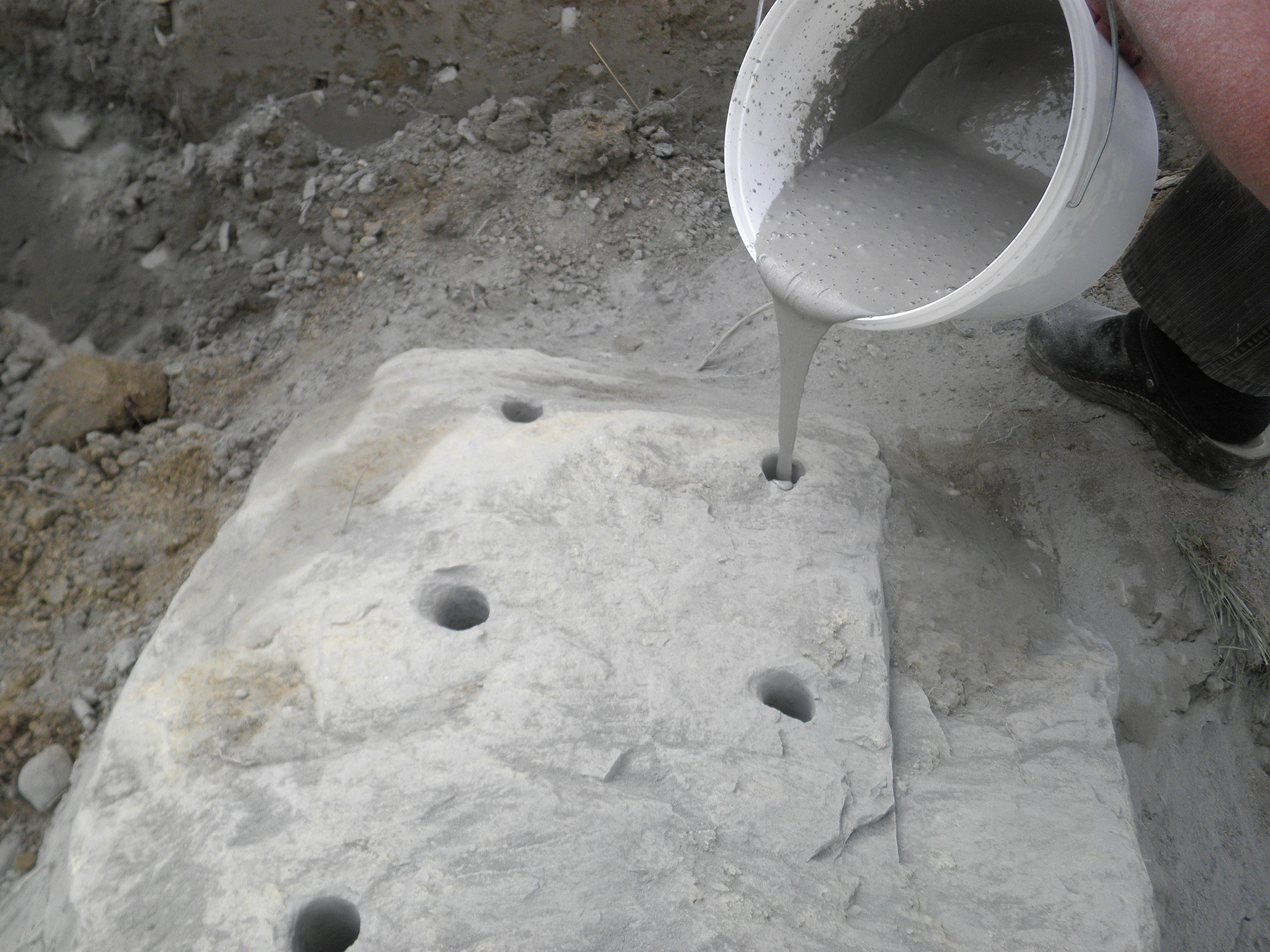
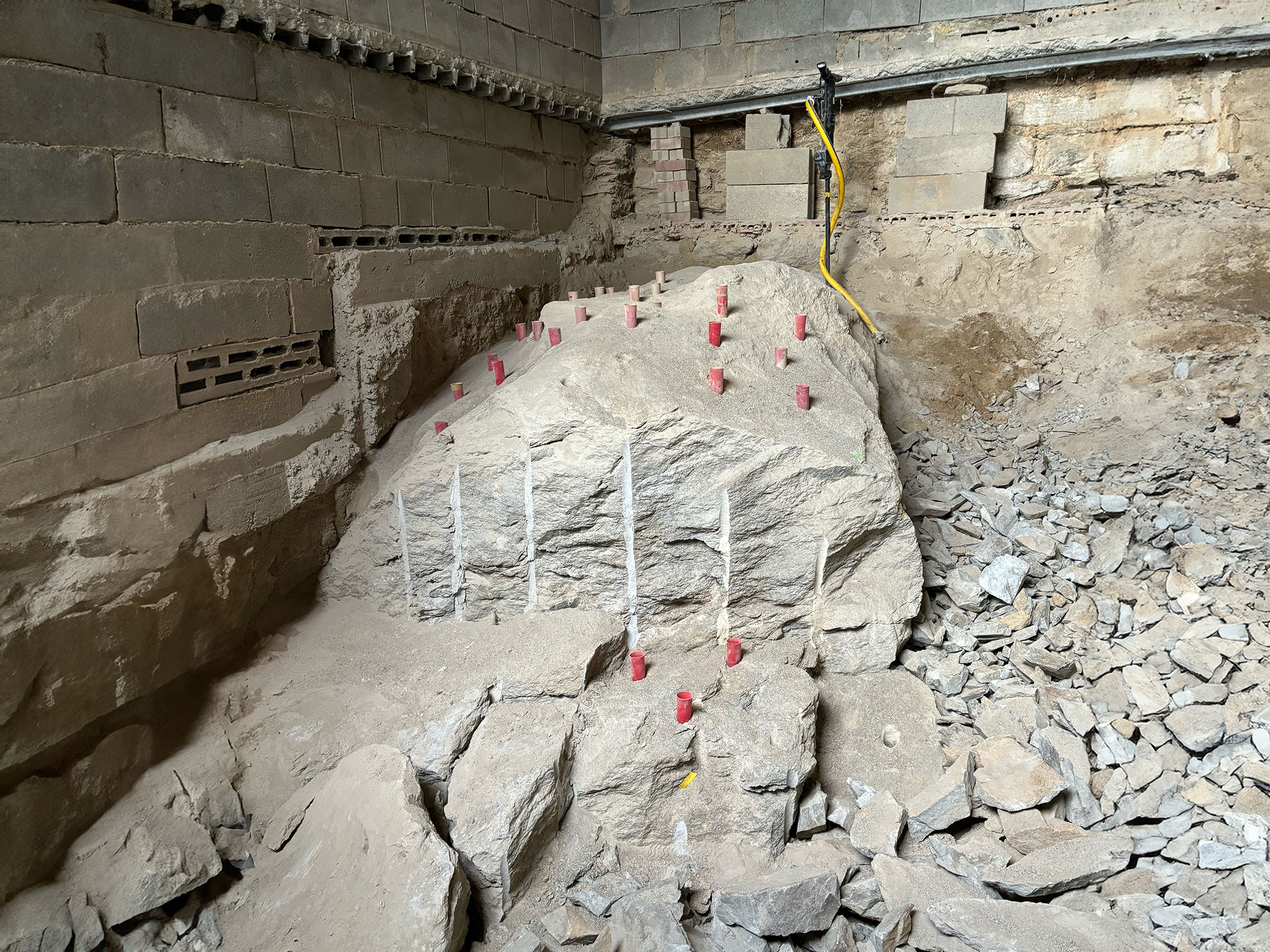
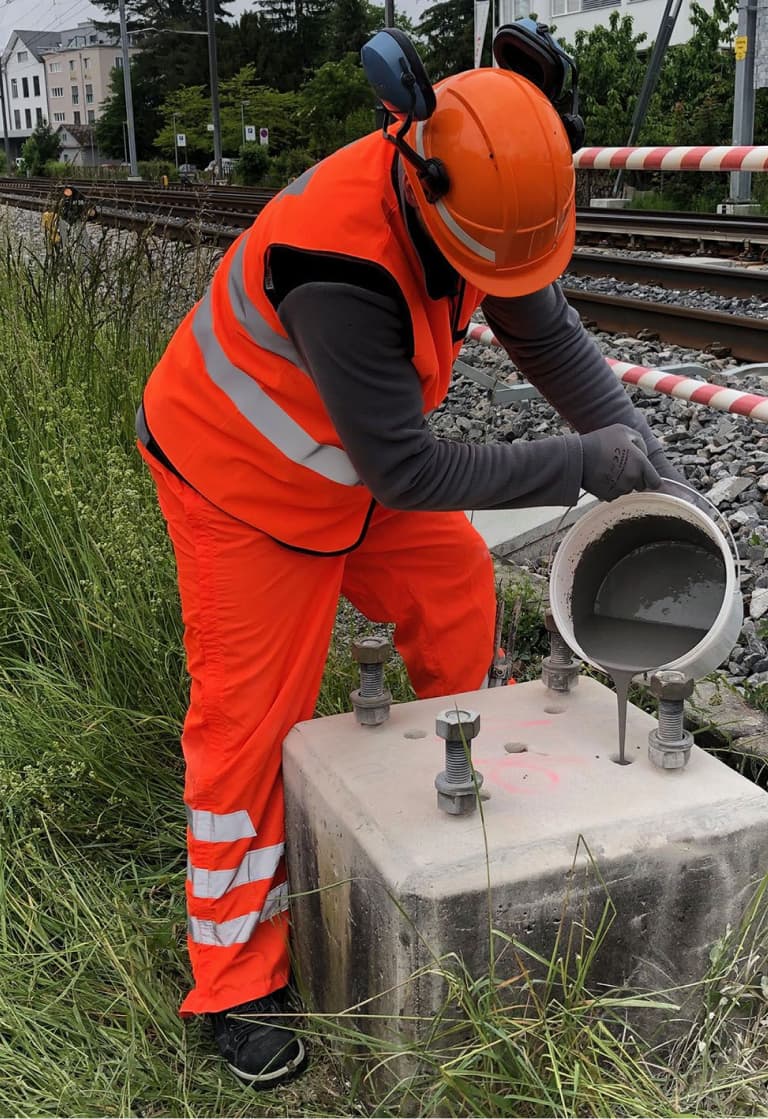
The process is simple: Drill > Mix > Fill > Wait.
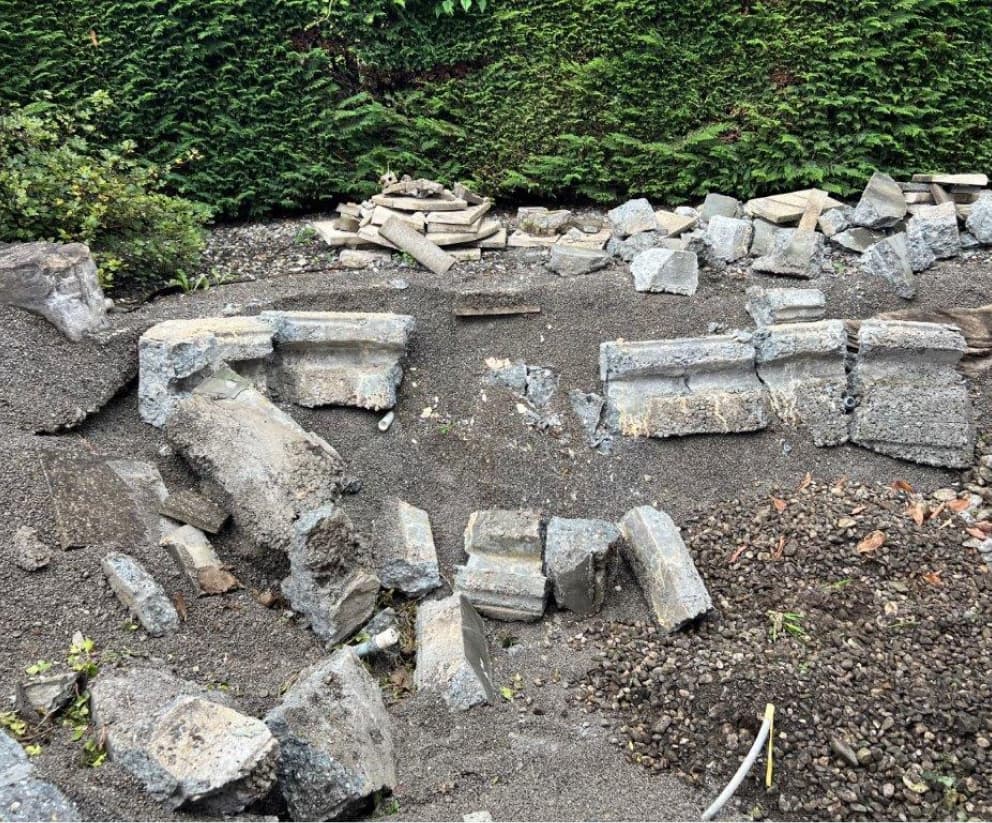
Once the holes are drilled and filled, the breaking phase generates no impact noise or vibration.
Non-explosive demolition agents produce no impact noise or vibration during the breaking phase. The only audible element is drilling.
In residential areas, this makes a significant difference. Instead of continuous hammering, the cracking happens gradually and quietly. For homeowners and contractors working near neighbours, this is often the safest planning choice.
View our dedicated page on low noise demolition for more detail on how expansion systems reduce disruption.
Planning for Terraced and Semi-Detached Properties
Shared structures raise the stakes.
In terraced houses, party walls connect properties directly. In semi-detached homes, foundations and roof structures can transmit vibration across the boundary.
When planning demolition near neighbours:
- Assess whether walls are shared
- Consider how vibration may transfer through floors
- Review structural drawings if available
- Inform adjacent property owners early
Demolition near neighbours is not only about decibel levels. It is about vibration perception.
Even if the airborne noise seems manageable, vibration felt through walls can trigger complaints.
Using quiet demolition methods that avoid impact reduces that risk significantly.
Communicating Before Work Starts
Good communication is part of any low noise demolition plan.
Before starting:
- Notify neighbours of planned works
- Confirm expected working hours
- Explain the method being used
- Provide a contact point for concerns
When neighbours understand that steps are being taken to reduce disturbance, complaints are less likely.
If you are using a non-explosive demolition agent rather than a breaker, explain that there will be no continuous hammering.
Choosing the Right Low Noise Method for Your Project
Different residential projects require different approaches.
For:
- Internal slab removal
- Basement conversions
- Removing foundations near party walls
- Breaking concrete in semi-detached properties
Impact tools may create unacceptable disturbance.
Low noise demolition solutions based on controlled expansion are often better suited.
Because the cracking is driven by internal pressure rather than repeated blows, the surrounding structure is not subjected to shock.
This reduces:
- Structural transmission
- Neighbour disturbance
- Risk of enforcement action
- Project delays
Is non-explosive demolition quieter than a jackhammer? In practical residential terms, yes. Once drilled and filled, there is no ongoing impact phase.
Planning ahead avoids relying on complaint handling afterwards.
Avoiding Council Enforcement Action
Can demolition noise lead to council enforcement action? Absolutely.
If neighbours complain and officers determine that noise levels are unreasonable, a noise abatement notice can be issued.
Ignoring this can result in:
- Fines
- Equipment seizure
- Mandatory method changes
- Work stoppage
Choosing low noise demolition solutions at the planning stage demonstrates due diligence. It also provides evidence that reasonable steps were taken to minimise disturbance.
A Smarter Way to Approach Residential Demolition
Residential demolition carries technical demands alongside environmental and social responsibilities.
Working within residential demolition noise restrictions requires:
- Understanding local authority rules
- Selecting the right method
- Planning vibration control
- Communicating clearly
In terraced and semi-detached properties where structures are connected, impact noise carries consequences.
If you are planning demolition work near homes, explore BETONAMIT’s low noise demolition solution and choose a method designed to minimise disruption before complaints ever arise.