A jackhammer is often the first tool people think of for breaking concrete. It can be a practical choice for open areas with good access, but it is not right for every slab, footing, path or concrete base.
Noise, vibration, hire cost and physical strain are common reasons to look for an alternative to a jackhammer for concrete. Restricted access can also make a hand-held breaker or larger machine difficult to use. In a back garden, inside a building or beside retained structures, a different approach can offer better control.
Why people look for a jackhammer alternative
Jackhammers break concrete through repeated impact. This can work well when the job allows for noise, vibration, dust control and a clear debris area. However, a breaker can be difficult to manage in confined spaces or where concrete needs to be removed in phased sections.
Hand-held breakers also expose users to vibration. HSE states that regular use of hammer action power tools can lead to Hand-Arm Vibration Syndrome, or HAVS, if exposure is not properly controlled.
Practical reasons for choosing another method include:
- Noise restrictions near homes, businesses or public areas
- Vibration concerns around nearby structures
- Limited space for working or handling debris
- Restricted access for plant
- Jackhammer hire cost or local availability
- The physical demands of extended hand-held breaking
A jackhammer alternative may reduce some of these pressures, but it still needs to suit the material and the site. These are options, not a single recommendation for every job.
Option 1: Expansive demolition agents
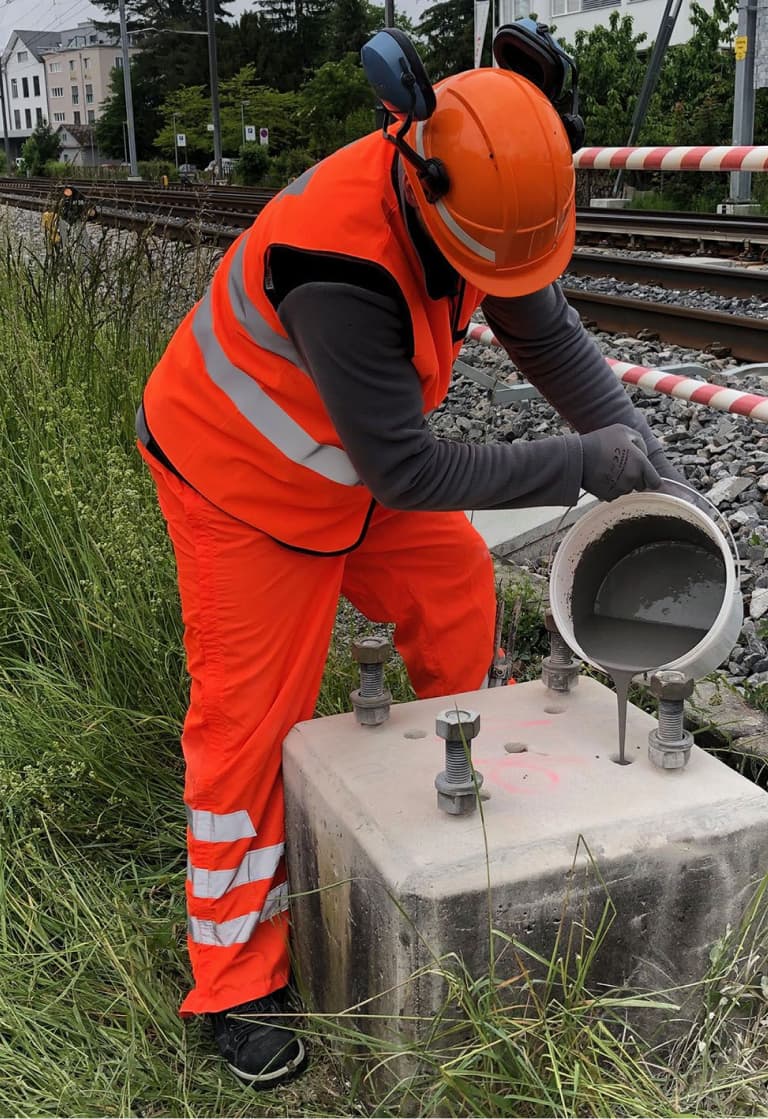
BETONAMIT® is a non-explosive demolition agent for controlled breaking of concrete, rock and stone.
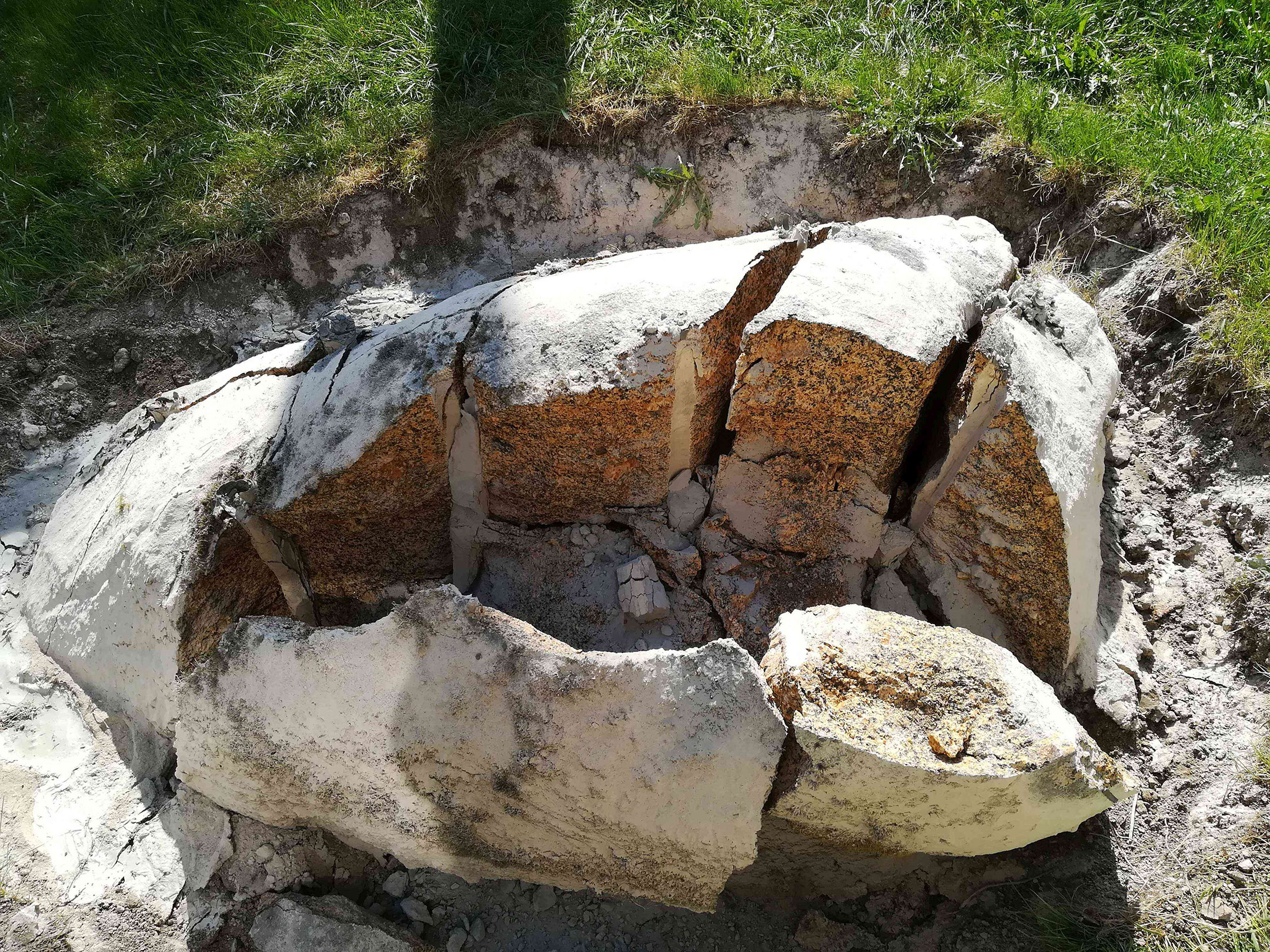
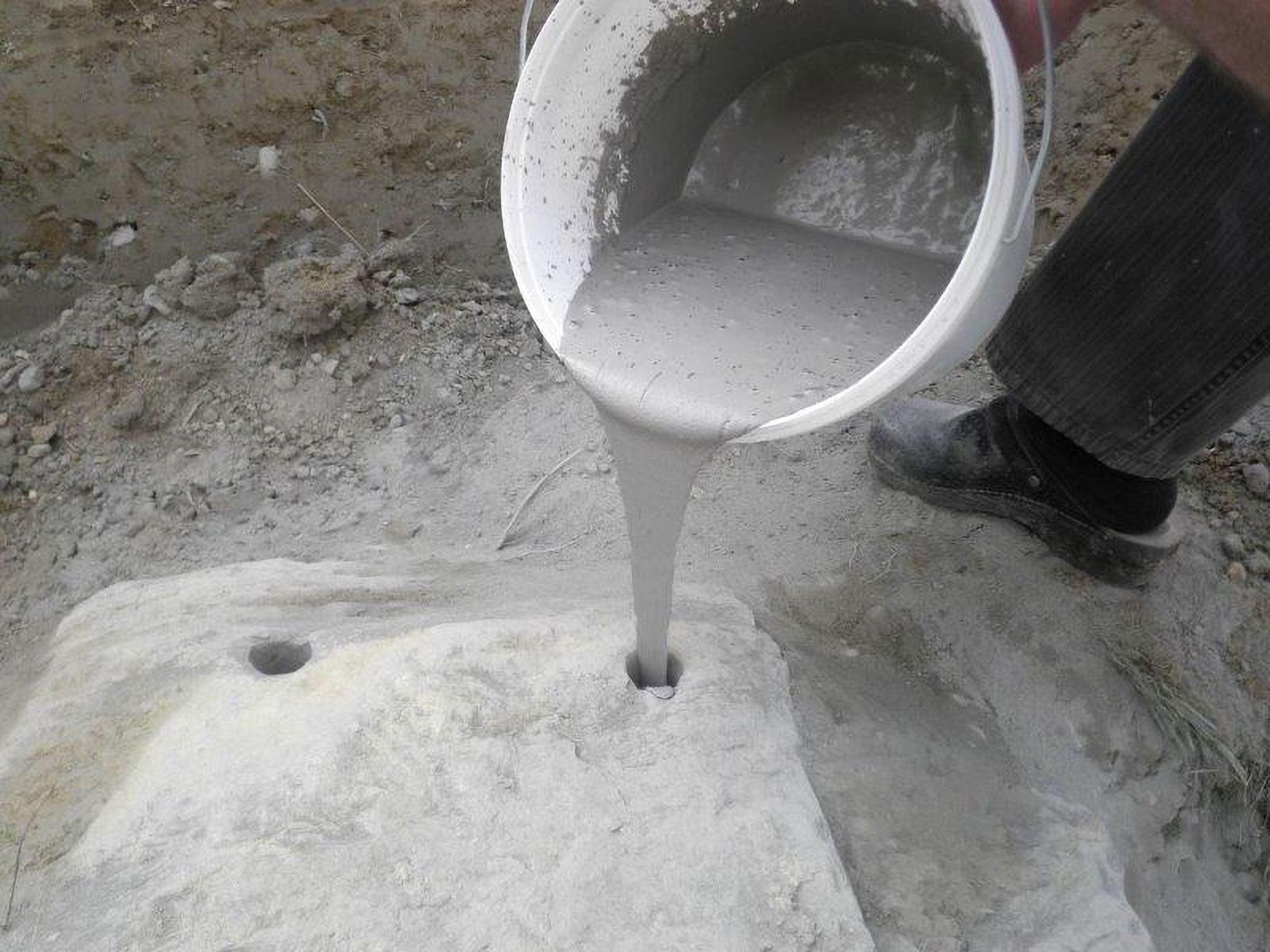
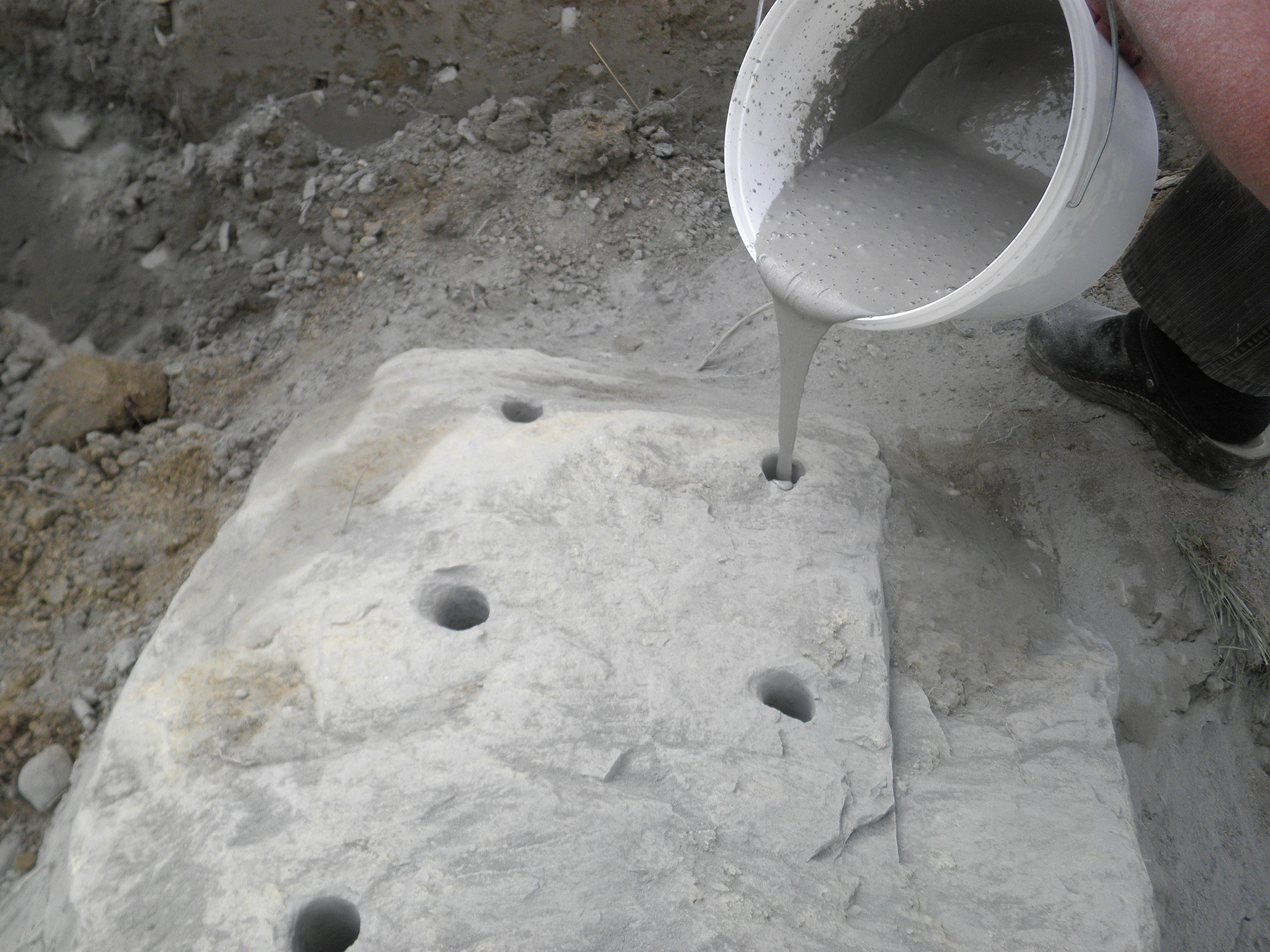
The process uses drilled holes rather than repeated impact at the break line. After mixing the expansive mortar with water as directed, it is placed into the holes where it expands gradually and can fracture the material.
The application process is straightforward: Drill > Mix > Fill > Wait.
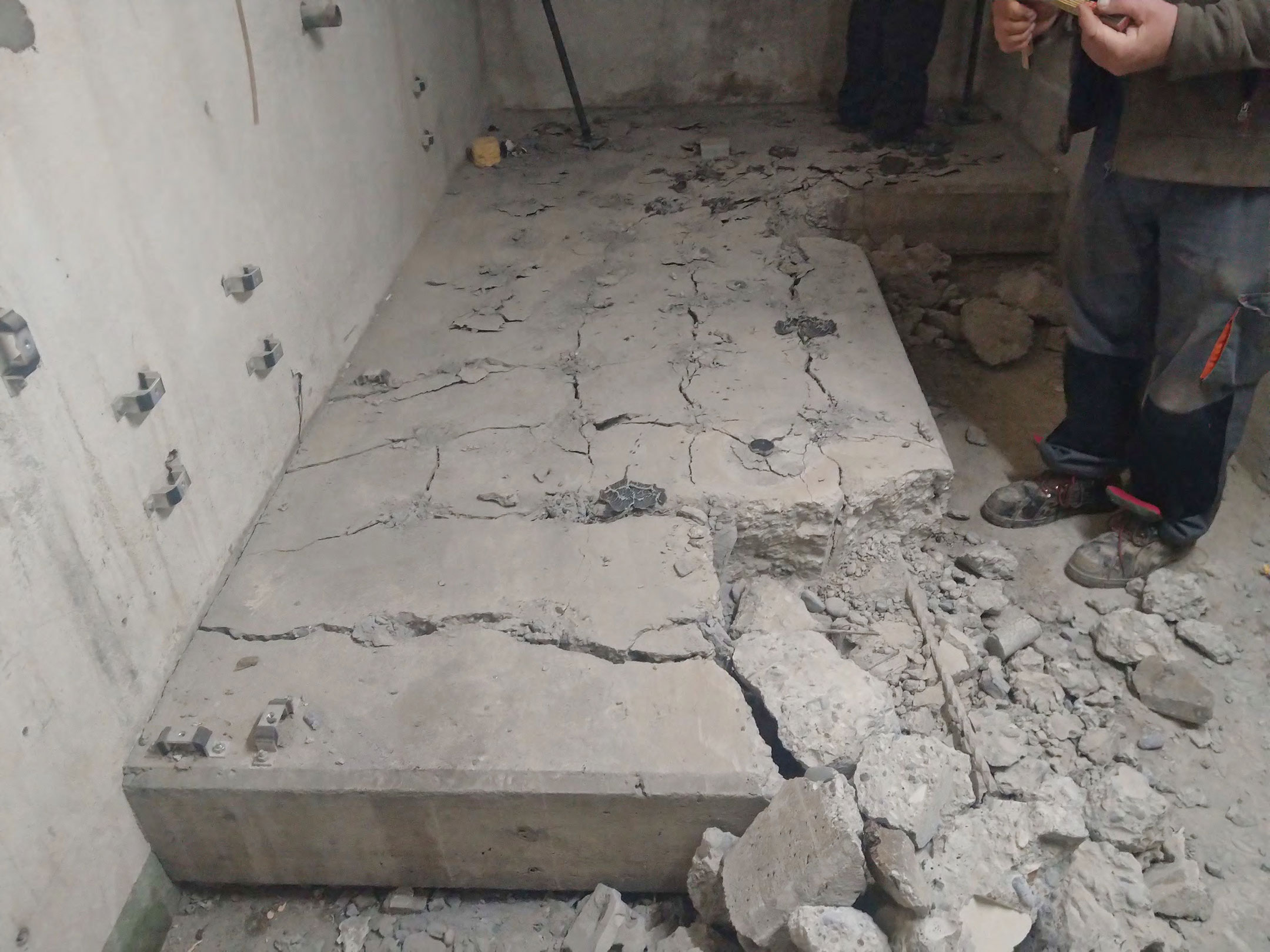
This is a practical option where lower-vibration breaking is preferred, access is restricted or the concrete needs to be divided into manageable sections before removal. The product and drill can be taken into areas where bringing in a larger breaker or excavator is not practical.
BETONAMIT® does not remove the need for planning. The material condition, reinforcement, borehole pattern, nearby structures and intended break line all affect the approach. Follow the approved instructions and relevant site controls before use.
Find more detail on using BETONAMIT® for non explosive concrete demolition.
Option 2: Chemical concrete breakers
Chemical concrete breakers is a broad term often used to describe products that break concrete through expansion rather than impact. It is important to check exactly how a product works before comparing it with a jackhammer.
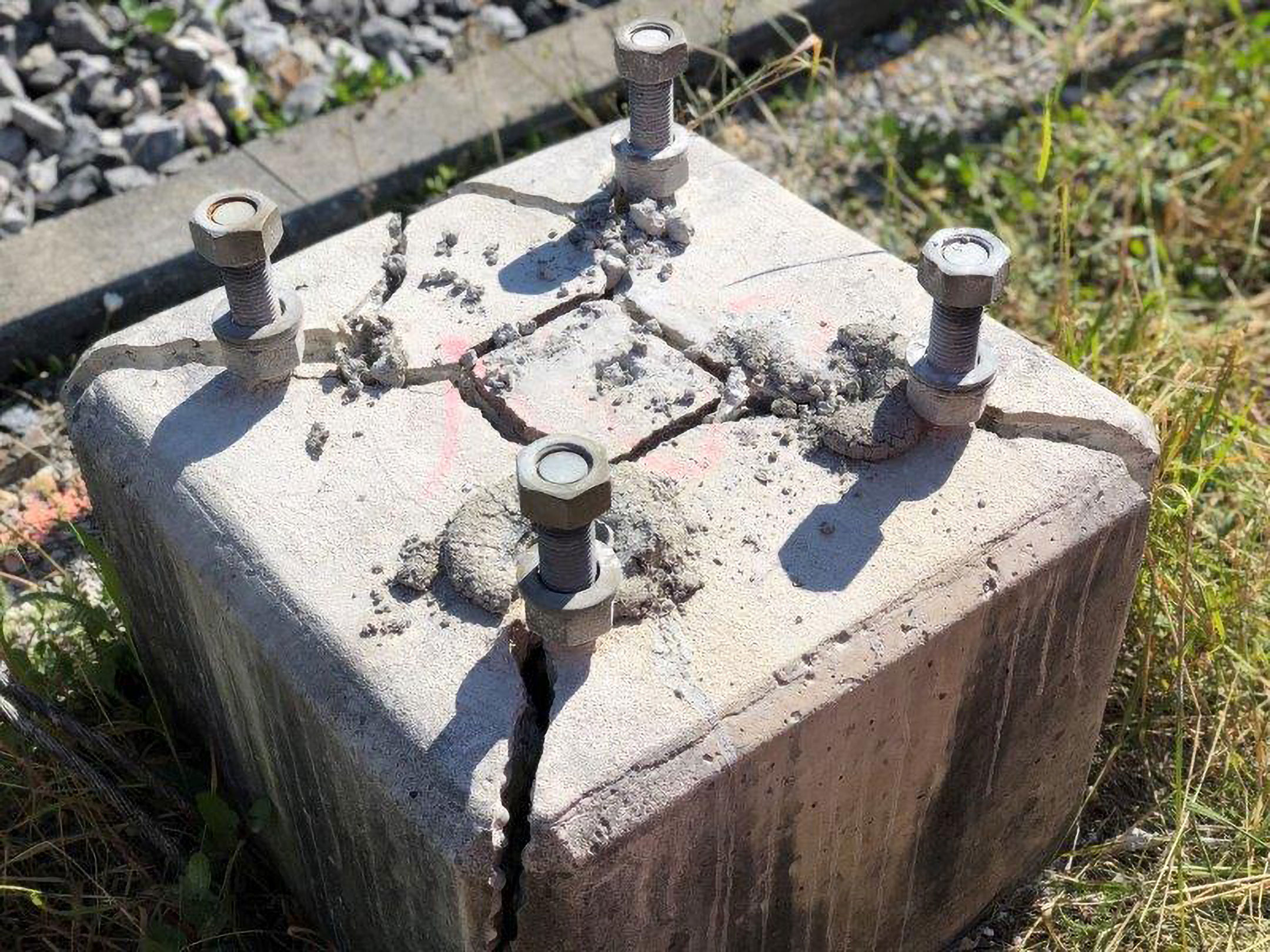
BETONAMIT® is an expansive grout, not an impact tool. It applies controlled, gradual pressure within drilled holes rather than relying on repeated blows from a breaker. That makes it worth considering where vibration and controlled cracking are more important than immediate material removal.
Results depend on the concrete, drilling arrangement, site temperature, reinforcement and the shape of the section being removed. It should not be treated as a direct like-for-like replacement for every jackhammer job. A heavily reinforced slab, for example, may still need an appropriate plan for dealing with the reinforcement after the concrete has cracked.
For a closer look at the differences between impact-based and expansive methods, read our cost and safety comparison between a jackhammer and expansive mortar.
Option 3: Hydraulic bursting tools
Hydraulic bursting tools use pressure to force concrete apart after holes have been drilled. They can be useful for specific demolition work where controlled breaking is needed and access allows the equipment to be brought into position.
HSE identifies hydraulic bursting as an alternative to hand-held percussive breakers for concrete demolition. The bursting tool itself applies pressure within drilled holes rather than striking the concrete repeatedly.
This approach may suit larger or more demanding sections where specialist equipment is appropriate. However, it still requires drilling access, equipment access and a plan for managing the cracked concrete. It may not be the most practical choice for a small garden base, narrow side passage or indoor job with limited working room.
Option 4: Hand tools for small jobs
For small, thin or already damaged sections of concrete, hand tools may be enough. A sledgehammer, club hammer and bolster can help remove loose edges or separate small pieces after cutting or controlled cracking.
This is usually most practical where the concrete is not heavily reinforced and the work can be completed in small stages. Hand tools can avoid the need to hire a jackhammer, but they are physically demanding and can be slow on thicker or sound concrete.
Do not assume a hand-tool approach is automatically lower risk. The work still needs suitable PPE, a clear work area and a plan for handling sharp or heavy fragments. Check for hidden services and structural risks before starting.
Choosing between the options
The right jackhammer alternative depends on the job conditions.
A hand-held breaker may still be suitable for an open driveway or external slab with clear access and enough room to control noise, vibration and debris. A hydraulic bursting system may suit more substantial work where specialist equipment can be used effectively.
BETONAMIT® is worth considering where concrete needs to be broken in a controlled way with drilling access, but without the repeated impact of a jackhammer.
For a wider overview of the choices available, read mechanical and chemical concrete breaking tools compared.
Plan removal as well as breaking
Breaking concrete is only the first part of the job. Before selecting a method, consider how the material will be removed once it has cracked or been broken.
Think about:
- Access routes
- Skip position
- Barrow runs
- Lifting arrangements
- Rubble storage without blocking the work area
On restricted sites, dividing concrete into smaller sections can make material handling more manageable.
If BETONAMIT® is the right fit for the project, use our material consumption calculator to estimate the quantity required from confirmed borehole details. The result is an estimate, so review the approved instructions and allow for site conditions before ordering.
Find the right approach for your concrete removal job
A jackhammer remains useful for many concrete removal jobs. Where noise, vibration, access or control create a problem, BETONAMIT® provides a practical alternative.
Shop BETONAMIT® for concrete breaking, then plan the drilling, break line and removal process around the conditions on site.