Controlled demolition in confined spaces calls for a different approach to an open-site break-out. Basements, cellars, plant rooms, lift shafts and tight internal areas can restrict access, ventilation, escape routes and debris handling.
In these conditions, the demolition method needs to suit the space available. Standard breakers and heavy machinery frequently cannot fit or operate safely in enclosed areas. Even when a small breaker can be carried in, noise, dust, vibration and rubble removal can make the work difficult to manage.
HSE confined space regulations may apply where ventilation or escape routes are restricted. The key issue is whether the area creates a reasonably foreseeable risk from hazardous substances, lack of oxygen, flooding or other serious hazards. A restricted space is not automatically a confined space under the regulations, but the risks need to be assessed before work starts.
What counts as a confined space on a demolition job?
A confined space is more than a small room. On a demolition job, it can be any enclosed or partly enclosed area where access, ventilation or exit routes are restricted and the work may introduce additional hazards.
Common examples include:
- Basements
- Cellars
- Plant rooms
- Lift shafts
- Service voids
- Internal ground-floor areas
- Tight spaces below existing buildings
Demolition in tight spaces is often made harder by low headroom, narrow doorways, stairs and fixed building features. There may be little room for a worker, drilling equipment, rubble containers and a safe route out of the area.
Before selecting a method, establish what material is being removed, what needs to remain in place and how access will be maintained throughout the job. Check for structural risks, hidden services and any conditions that may affect ventilation or escape.
Why standard mechanical equipment may not suit the space
Mechanical breakers can be effective in open areas with room for safe operation and debris control. In a basement or cellar, the practical limitations can be very different.
A jackhammer needs space for the operator to work safely and maintain control. It can also create noise, vibration and dust in a space where those effects are harder to contain. Larger equipment may be ruled out by low clearance demolition conditions, narrow entrances or floors that are not suitable for plant access.
Equipment choice should account for:
- Door widths and access routes
- Headroom and working position
- Floor loading and plant weight
- Space around the break area
- Ventilation arrangements
- Noise and dust control
- The route for taking rubble out
Basement demolition methods need to work around the full sequence of the job. Getting equipment into the area is only one part of the task. The concrete or stone still needs to be broken into manageable sections and removed without obstructing the escape route or work area.
Ventilation, dust and noise in enclosed areas
Breaking concrete in a basement, cellar or internal room can create dust and high noise levels where ventilation is limited. The work plan should consider dust control, fresh-air arrangements and whether access points provide suitable ventilation for the conditions.
Noise from a breaker can reverberate around walls, floors and ceilings, affecting workers and occupied areas nearby. Repeated impact can also transfer vibration through concrete and surrounding structures, which may be relevant close to retained walls, services or finishes.
A confined space demolition safety plan should address ventilation, noise, vibration, access controls and communication before work begins. Review the work method if site conditions change.
Access, egress and debris removal planning
Debris removal logistics often dictate the method choice as much as the breaking method itself. A large slab may be straightforward to break, but impractical to remove through a narrow doorway or up a flight of stairs.
Plan how material will move from the break area before work starts. This may involve breaking concrete into smaller sections, using suitable containers or arranging a clear barrow route to the collection point.
Consider:
- Access for drills, tools and materials
- A clear route in and out of the work area
- Space for temporary rubble storage
- Manual handling requirements
- The location of skips or collection points
- The order of breaking and removal
- The need to keep exits clear throughout the work
Do not allow rubble to build up around the work area. On a confined job, blocked routes can slow progress and make it harder to respond if conditions change.
Where access is through an occupied building, plan the route carefully to avoid unnecessary disruption. Protecting finishes, managing dust and keeping shared areas clear may influence the preferred demolition method.
Why BETONAMIT® suits confined working conditions
BETONAMIT® is a non-explosive demolition agent for controlled breaking of concrete, rock and stone. It is worth considering where jackhammer vibration, noise or restricted equipment access creates a problem.
For the breaking process, non-explosive demolition agents only need drilling access, not machine clearance. This can be useful where a drill and materials can be taken through a narrow entrance but a larger breaker or excavator cannot be brought into the space.
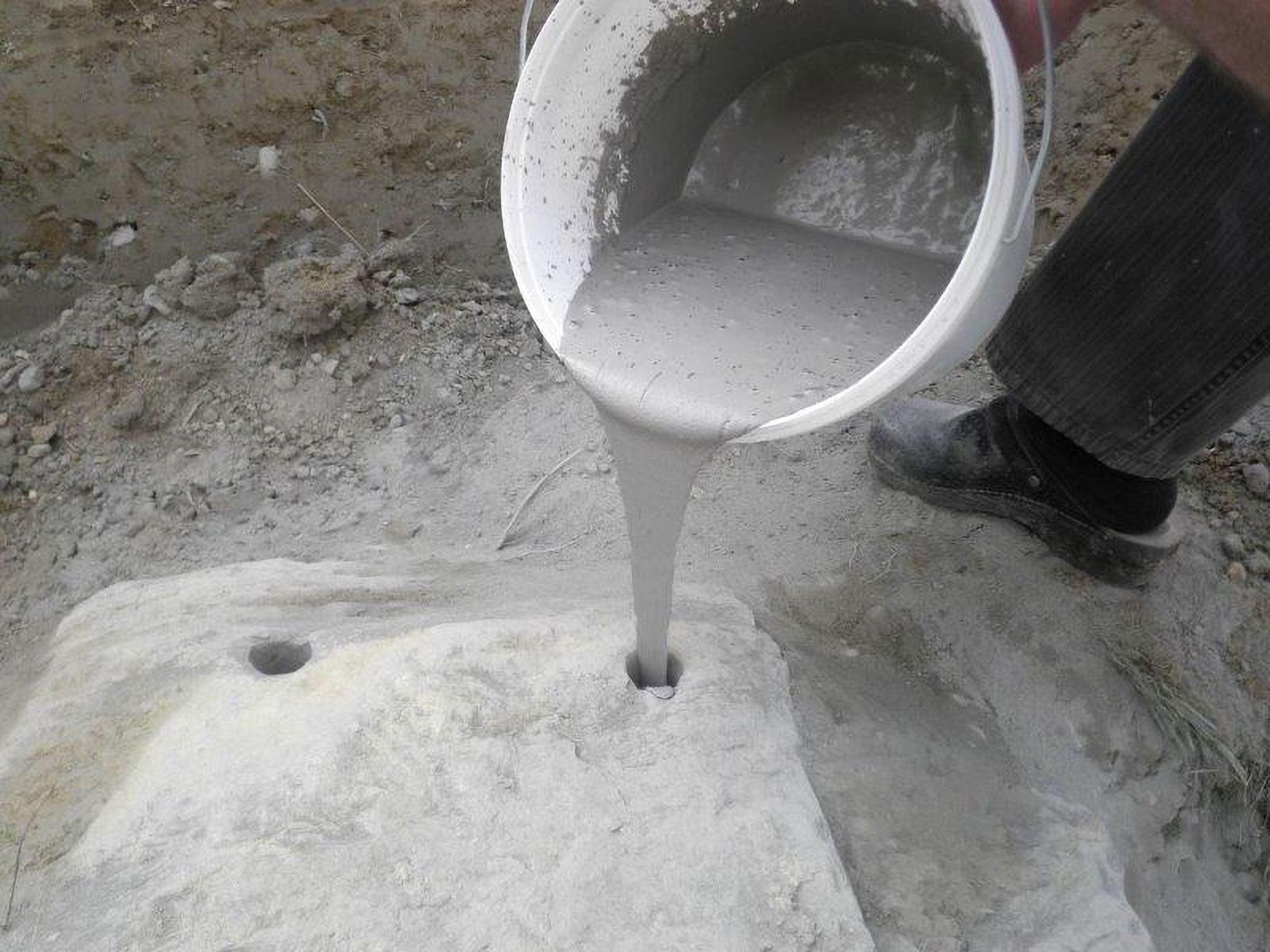
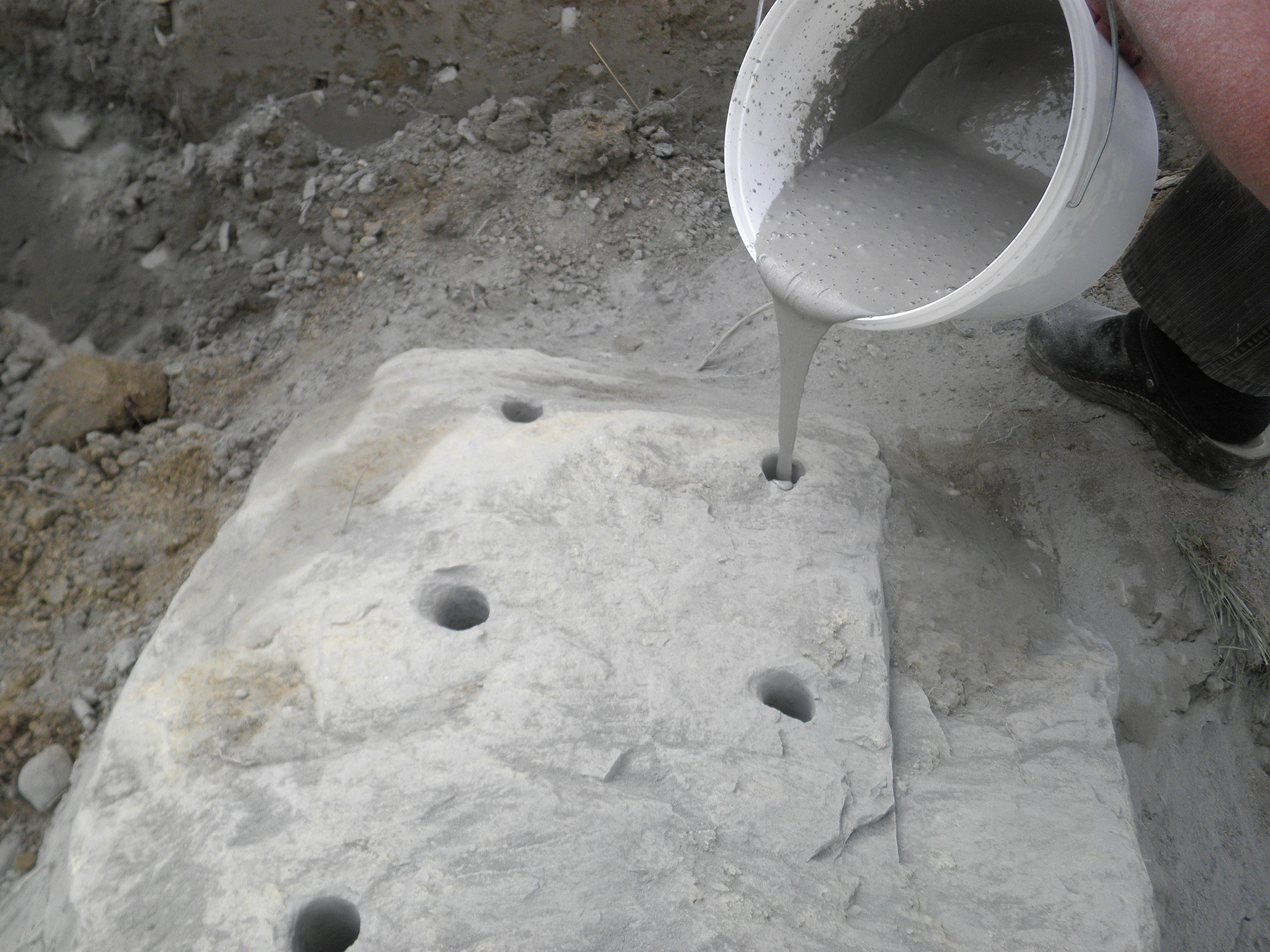
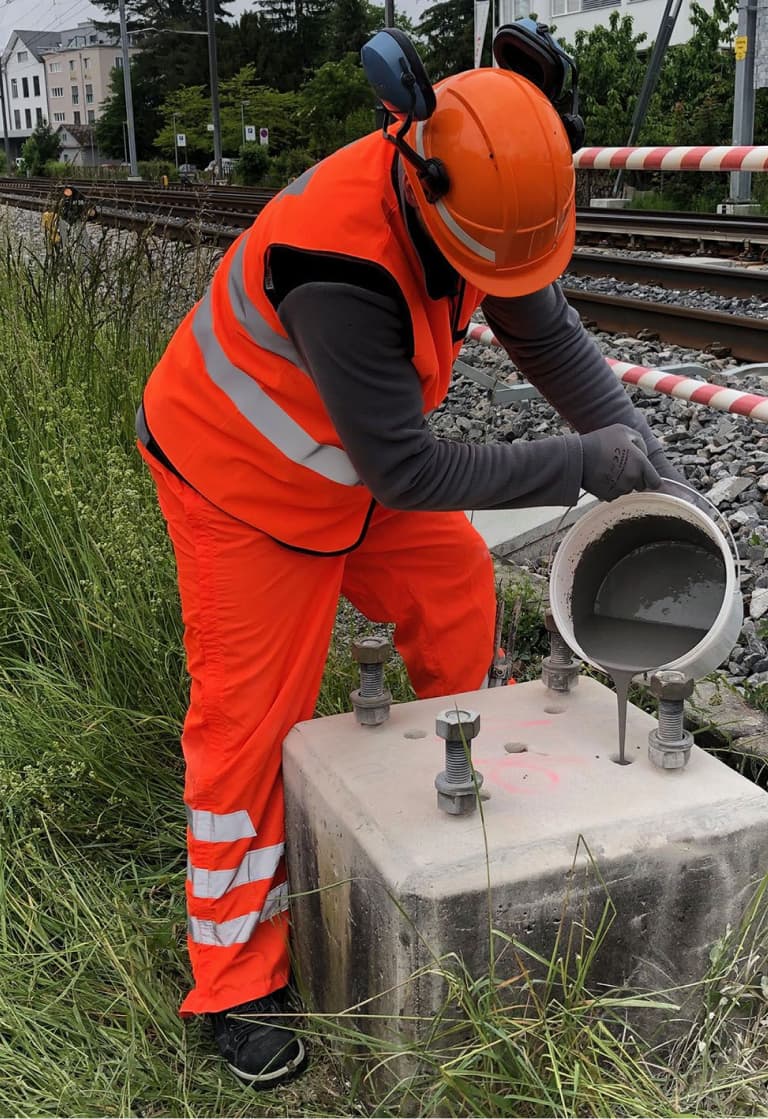
The application process is straightforward: Drill, Mix, Fill, Wait.
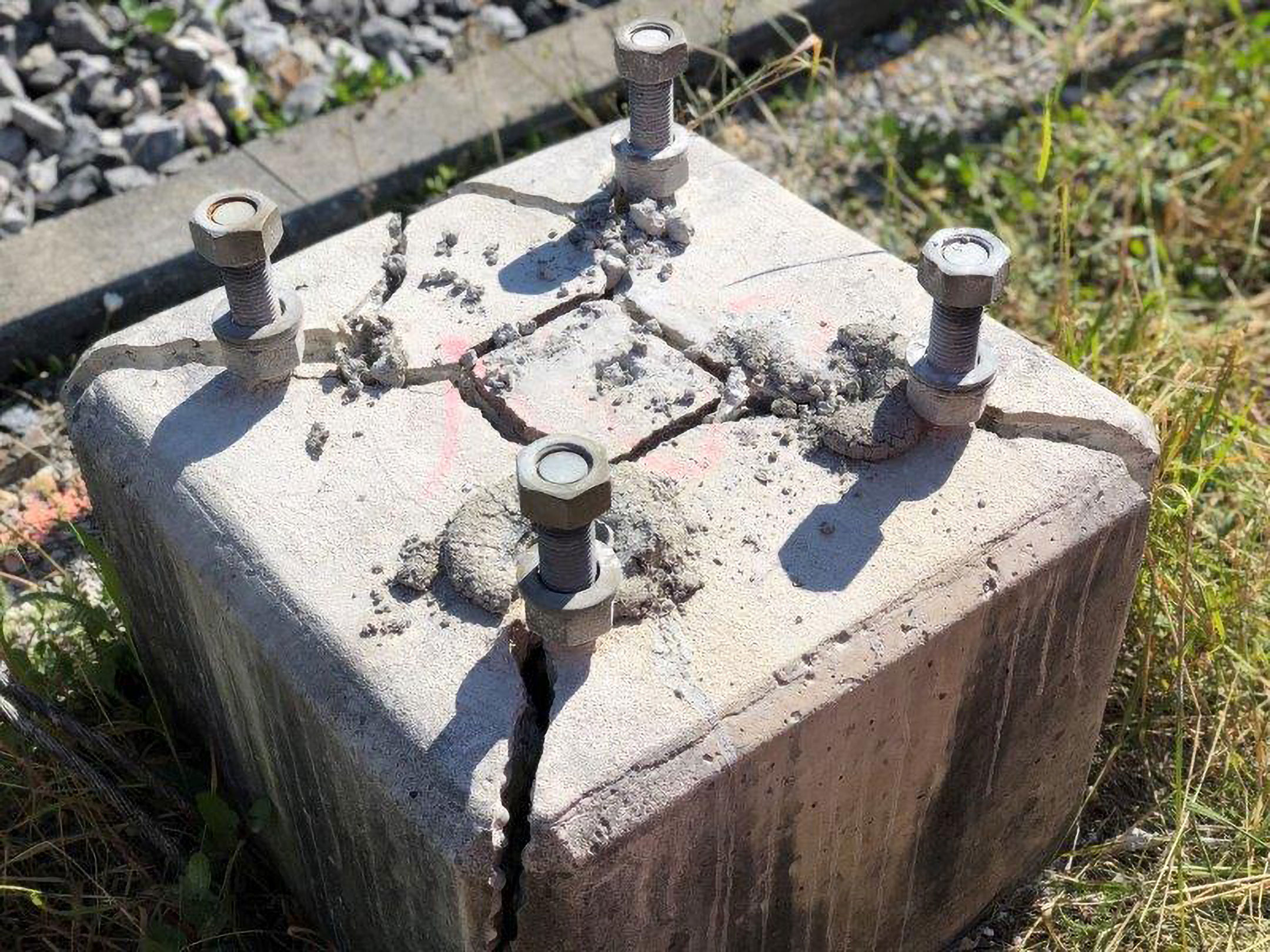
Drill holes into the concrete, mix BETONAMIT® with water as directed, fill the holes and allow time for the material to crack.
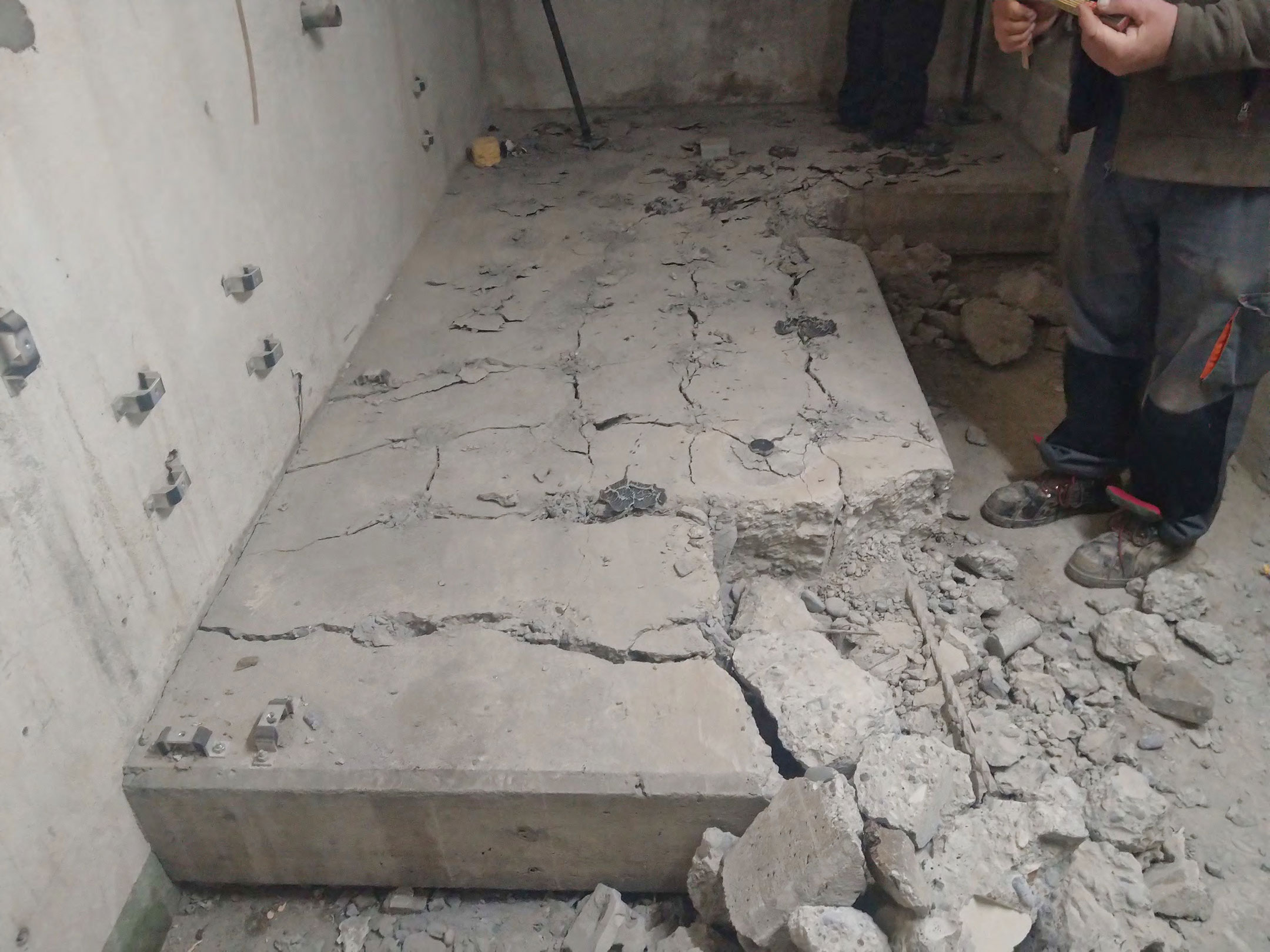
BETONAMIT® expands gradually inside the drilled holes, applying pressure from within rather than relying on repeated impact force. This supports a more controlled break sequence in a basement, plant room or low-clearance area.
It does not remove the need for proper planning. Borehole positions must be planned around the intended break line, the material condition, nearby structures and confirmed services. Cracked sections still need to be removed safely under suitable site controls.
Common confined demolition scenarios
Basement concrete removal
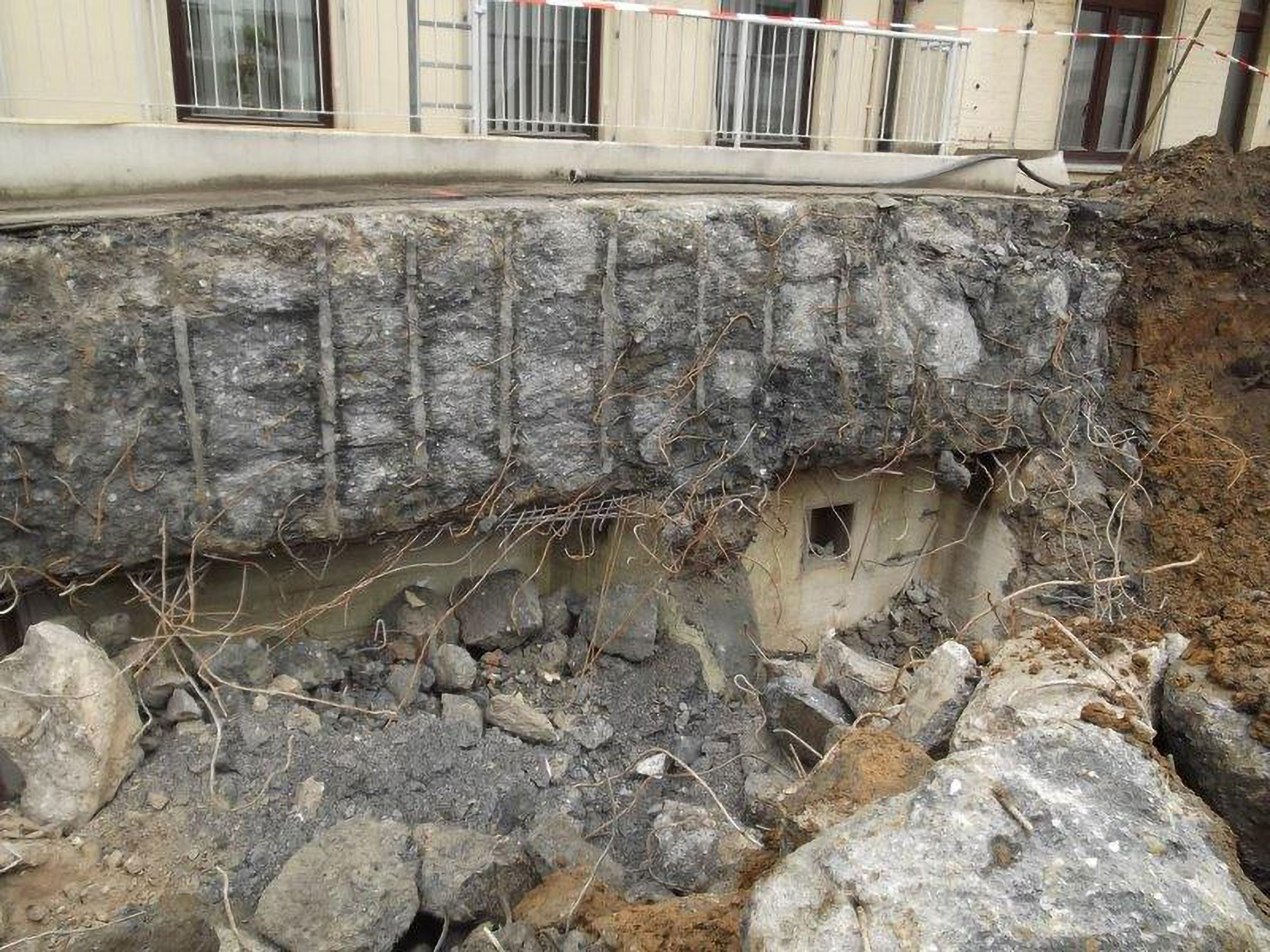
Basement demolition methods often need to account for restricted headroom, limited ventilation and a difficult rubble route. A large concrete floor may need to be divided into smaller pieces before it can be moved upstairs or through a narrow external opening.
BETONAMIT® may be a practical option where drilling access is available and a controlled break line is preferred. The removal plan remains essential, particularly where material must be taken through the building.
Cellars and under-building spaces
Cellars can restrict the operator’s working position and create limited access for equipment. Noise and dust can also travel into the property above.
A lower-impact breaking method is worth considering where access is tight and nearby building fabric needs to remain in place. Check for services, structural risks and the condition of retained walls before any drilling or breaking begins.
Plant rooms and service areas
Plant rooms may contain fixed equipment, pipework, cable routes or other services that limit the working area. The break-out method needs to allow for controlled access and suitable protection of anything that remains in service.
Where a concrete plinth, base or redundant section needs to be removed, a planned borehole layout can help divide the material into manageable sections. Review the work area carefully before deciding whether non explosive concrete demolition is appropriate.
Lift shafts and low-clearance spaces
Lift shafts and similar low-clearance demolition areas can present major access and egress constraints. Plant may be unable to enter and the removal route may be limited to the shaft opening or a narrow internal route.
These areas need a detailed site-specific plan. Consider work positioning, ventilation, communication, debris containment and safe access before selecting a demolition method.
Choosing a controlled method for restricted access
Controlled demolition in confined spaces depends on planning the full job, not simply choosing a tool that fits through the door. Assess the material, access, ventilation, escape routes, nearby structures and debris handling before work begins.
Mechanical breaking may remain suitable where the space and controls allow it. BETONAMIT® offers a practical alternative where controlled expansion is preferred over repeated impact and only drilling access is available.
Follow the approved BETONAMIT® instructions and relevant site controls. For complex structural work, suspected services or areas with confined-space risks, seek competent professional advice before proceeding.
For support with a restricted-access concrete, rock or stone removal project, get in contact.