Rock does not always respond to breaking methods in the same way as concrete. Natural stone can be dense, layered, fractured or made up of different mineral grains. That affects where cracks form and how easily a large section can be divided for removal.
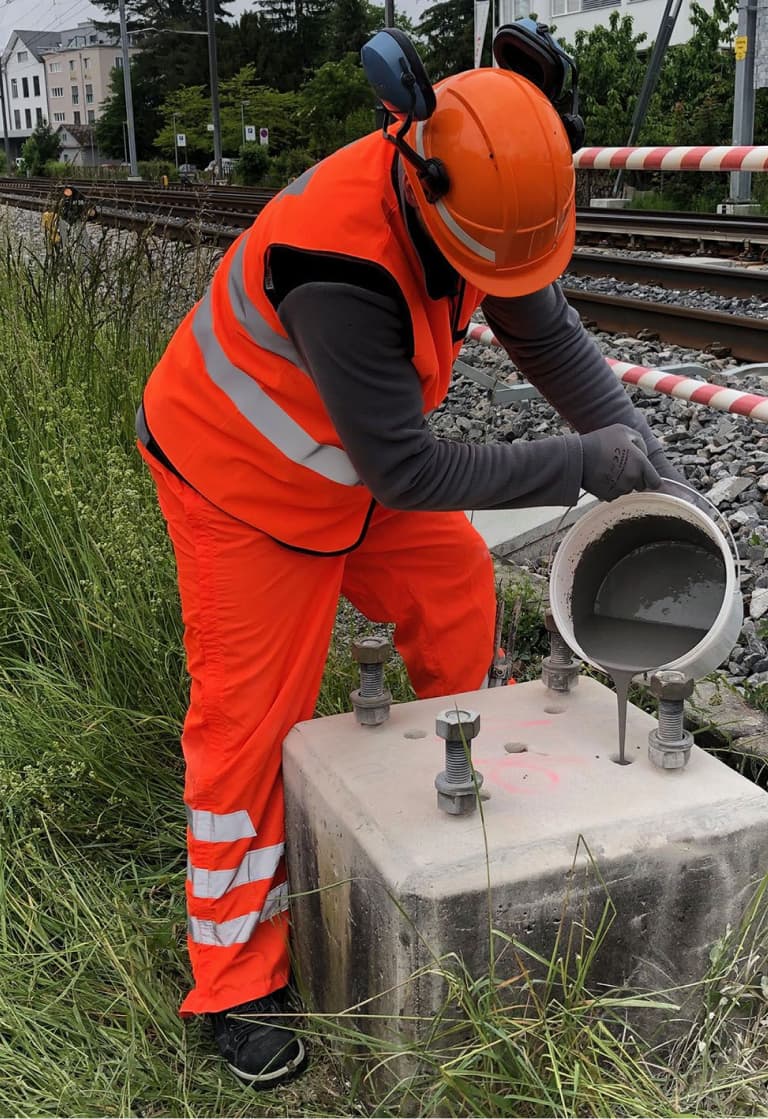
Chemical rock breakers work by applying pressure inside drilled holes rather than striking the surface with a breaker. BETONAMIT® is a non-explosive demolition agent that uses controlled expansion to break rock, stone and concrete. It can be a practical option where blasting is not appropriate, vibration needs to be reduced or access for heavy machinery is limited.
The basic rock breaking mechanism
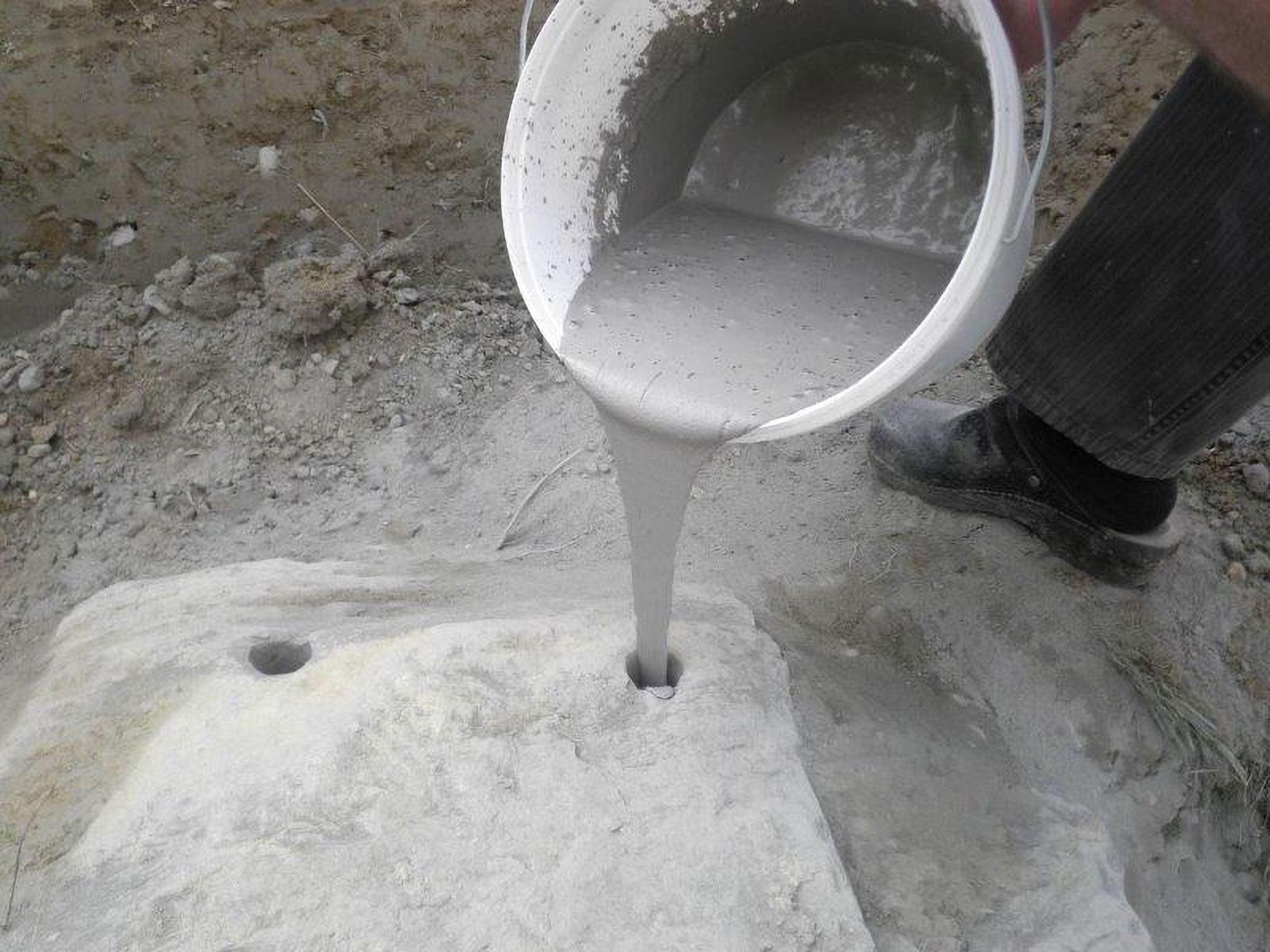
The rock splitting chemical reaction begins when BETONAMIT® is mixed with water and placed into drilled holes. As the expansive mortar hydrates, crystal growth creates pressure inside the boreholes.
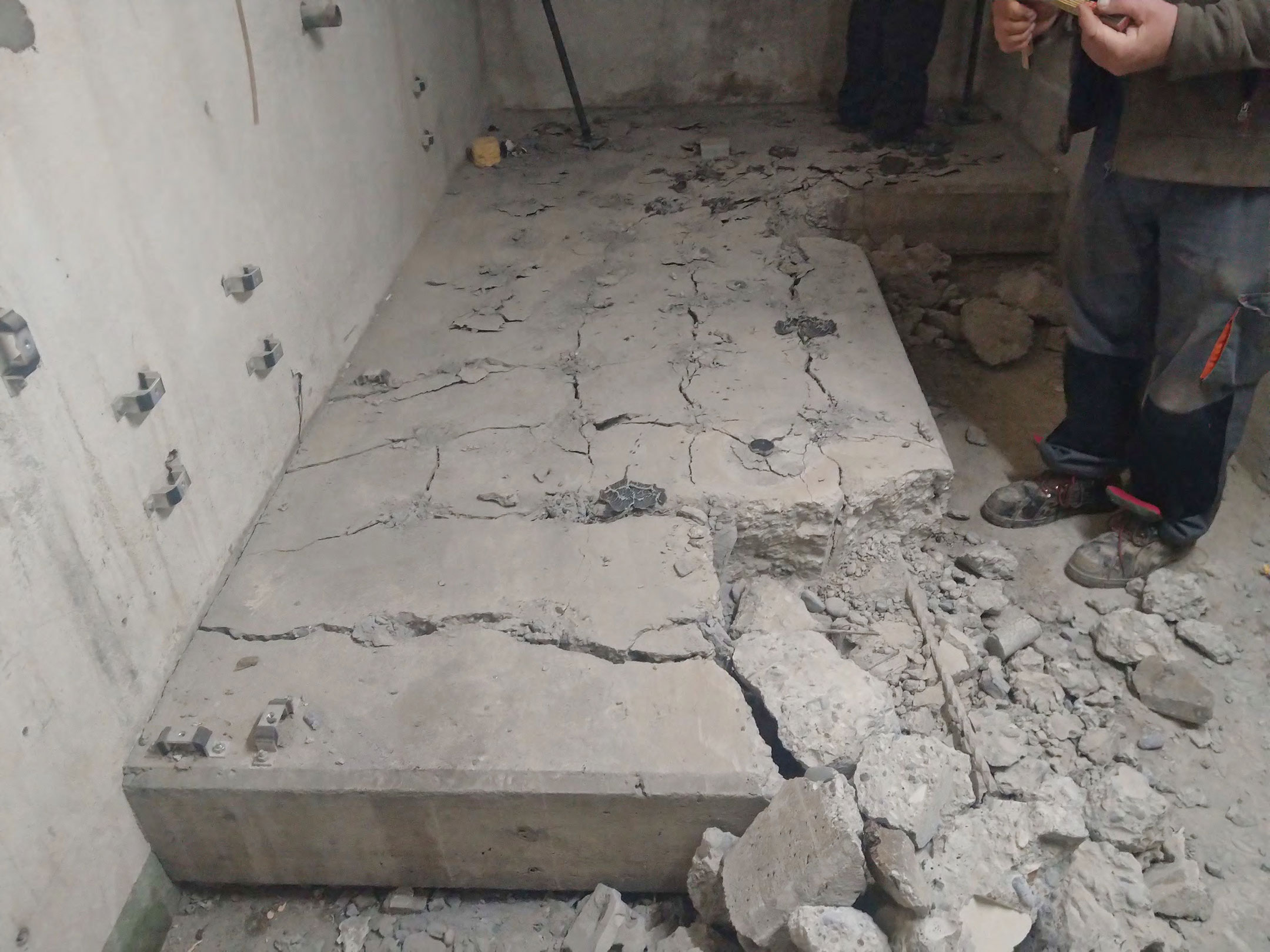
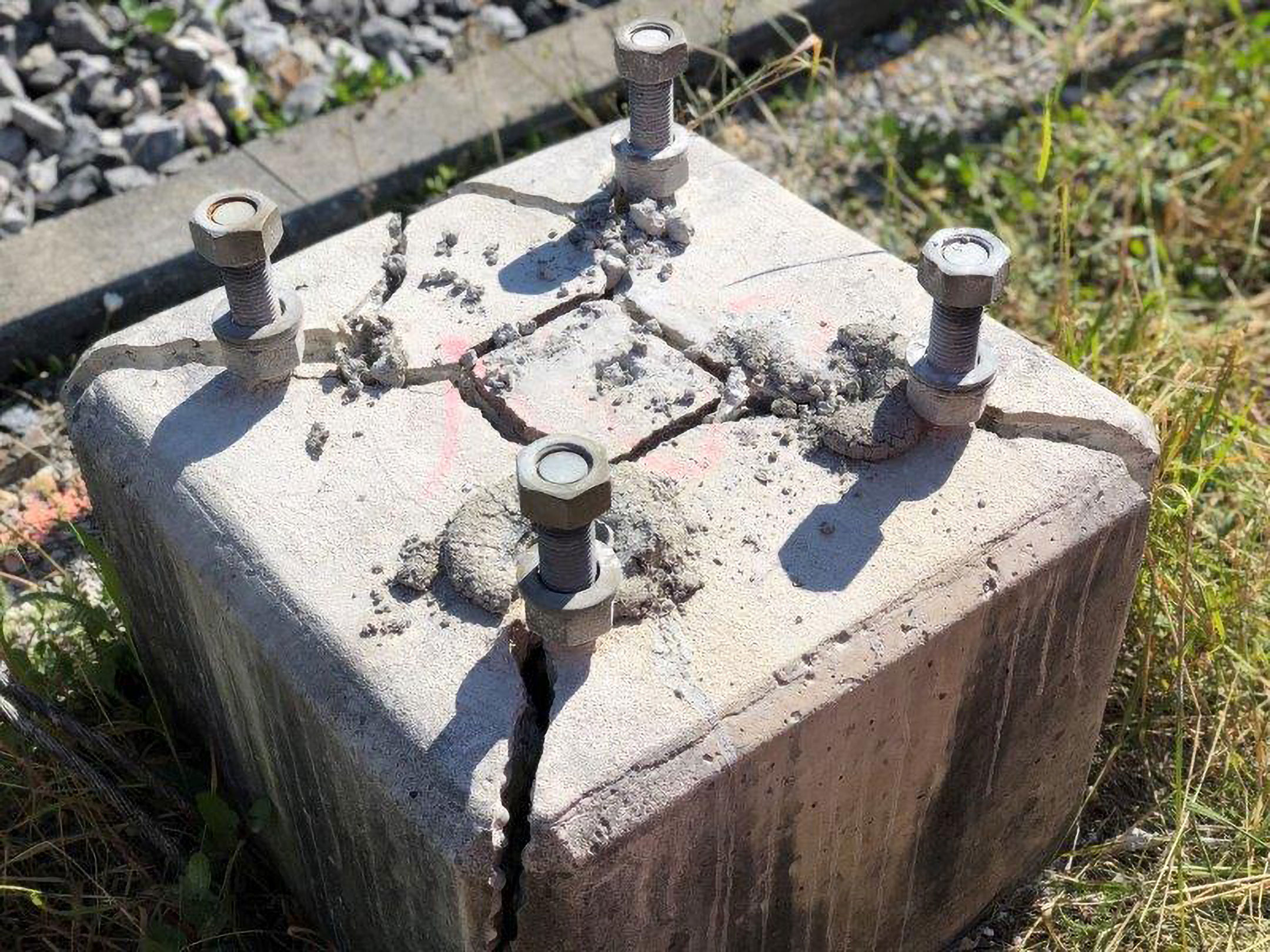
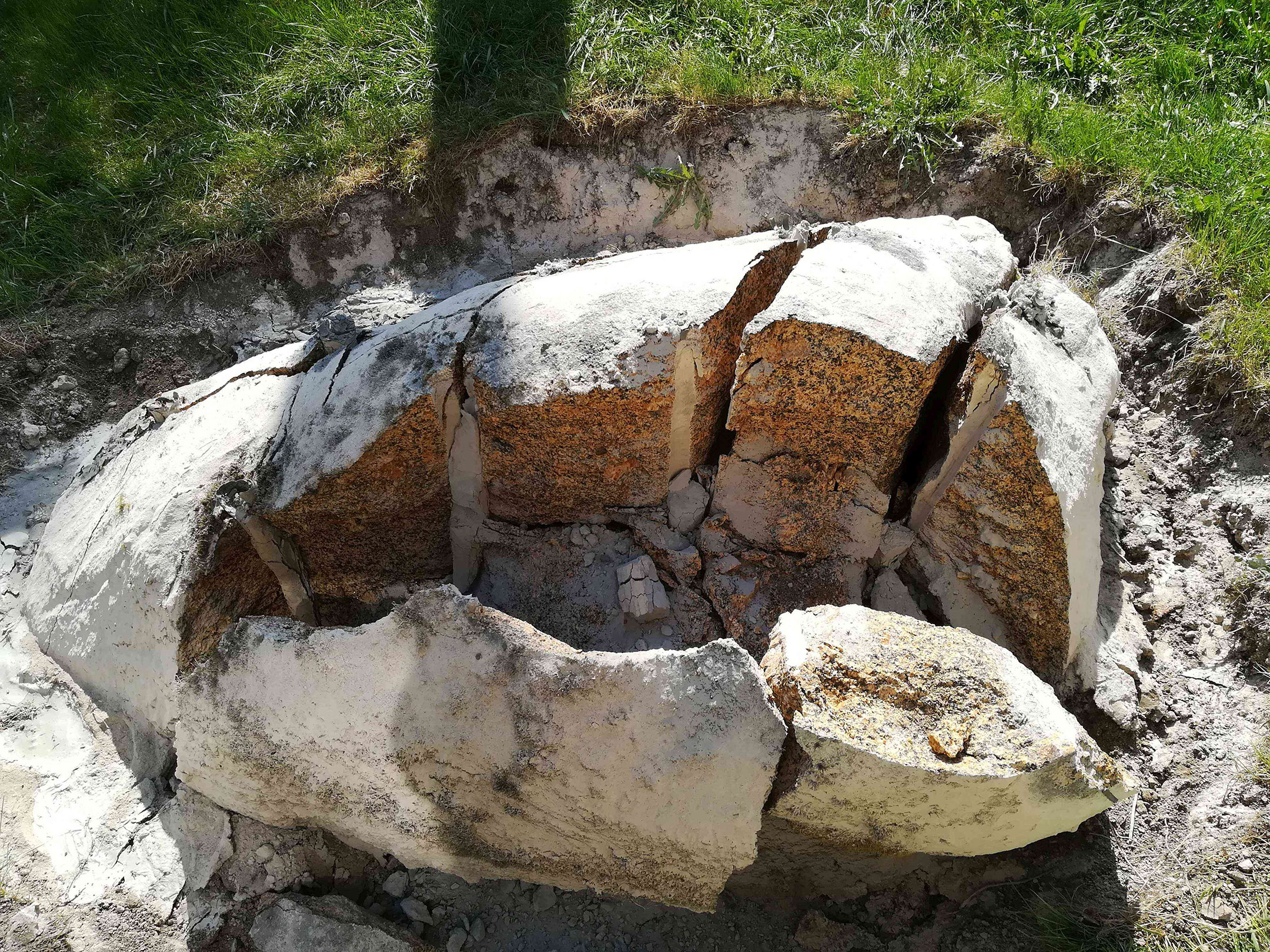
That pressure acts against the walls of the drilled hole. When it exceeds the tensile strength of the surrounding rock, cracks can begin to form. Rock is generally much stronger in compression than tension, which is why internal expansive pressure can fracture it along a planned borehole line.
This is the basis of how expansive agents break rock. The expanding material works from inside the rock mass, encouraging it to separate rather than relying on repeated surface impact.
The reaction is non-explosive and silent, distinct from blasting. It does not create a blast or shockwave at the break line. Drilling, handling cracked material and other site activities can still create noise, so suitable planning remains important.
Why rock breaks differently to concrete
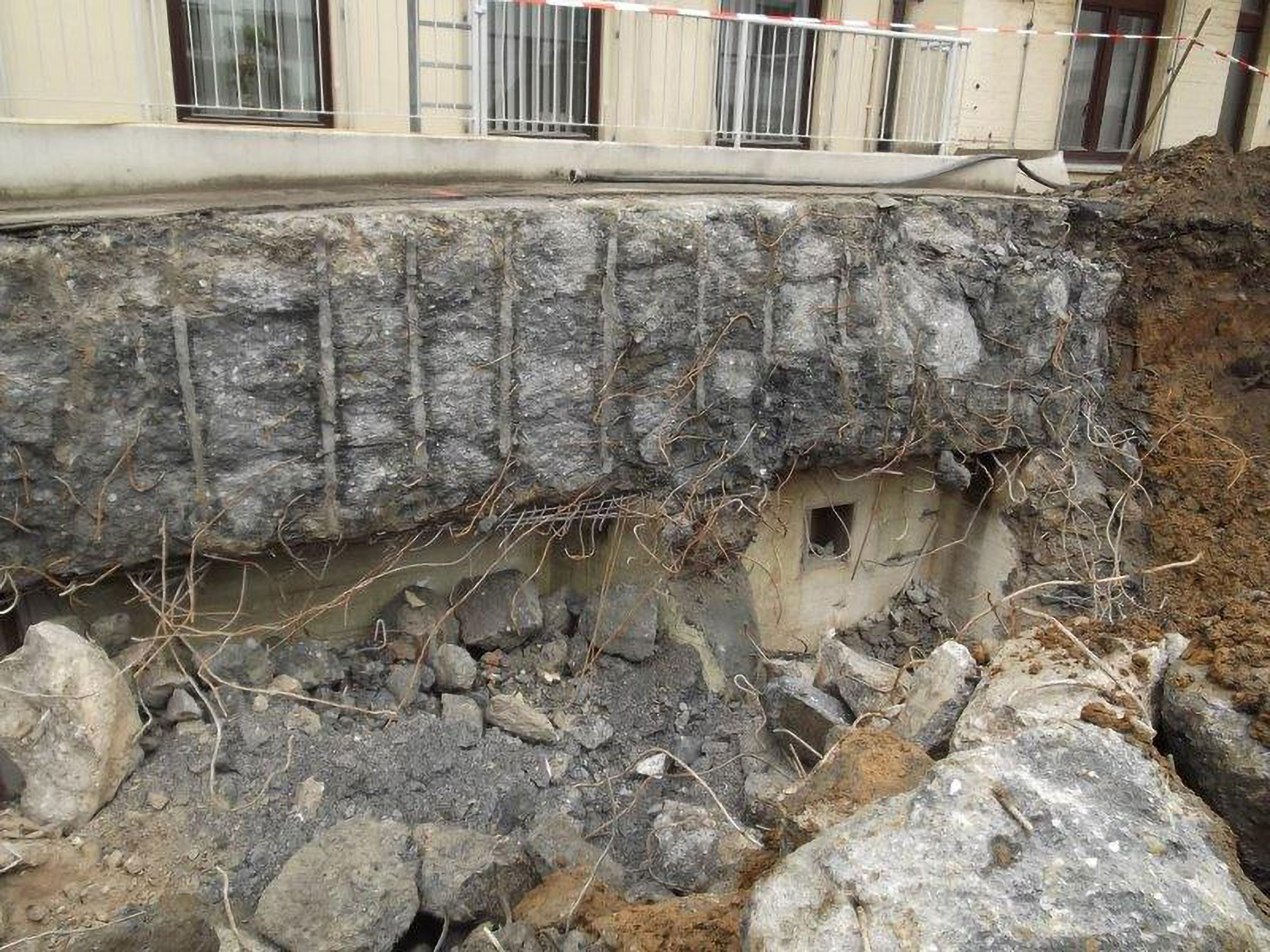
Poured concrete is a manufactured material. Its aggregate, cement matrix and any reinforcement affect the way it breaks. Natural rock has its own structure, formed by mineral content, grain size, bedding planes, existing fractures and weathering.
Crystalline and granular rock structures can crack along different lines from poured concrete. Some rock may have visible joints, layers or natural weaknesses that influence the break. Other rock may appear solid but contain internal changes that only become apparent once cracking begins.
This means the expansive grout rock breaking mechanism does not produce identical results on every site. Borehole layout should be planned around the rock shape, intended break line and the size of pieces required for removal.
The aim is to create manageable sections of rock that can be safely handled and removed within the available working area.
For concrete-specific information, read chemical concrete breakers explained.
How grain structure affects crack propagation
Grain structure is one reason natural stone can behave differently across the same excavation. Granular rocks are made up of individual mineral grains, while crystalline rocks may have more tightly interlocked mineral structures. Layered sedimentary rock can also split along bedding planes or existing weaknesses.
When expansive pressure builds inside the boreholes, cracks may follow the route of least resistance. That could be along a natural joint, through a weaker section or across the planned drilling line.
Rock hardness matters, but it is not the only consideration. A hard rock with natural fractures may split differently from a less hard but more uniform rock. Weathered areas, water exposure, previous excavation and existing cracking can also affect the result.
For that reason, the non-explosive rock breaking science is not about applying one fixed drilling pattern to every boulder, outcrop or rock mass. The drilling plan should reflect the material and required break line.
Pressure and the strength of rock
Expansive breaking works because the pressure generated within the boreholes can exceed the tensile strength of most rock types. Rock resists crushing forces well, but it is more vulnerable when internal pressure pulls the material apart.
The exact result depends on factors including:
- Rock type and condition
- Existing joints, bedding planes and fractures
- Borehole diameter, depth and pattern
- Ambient temperature
- The shape and size of the rock section
- The intended break line
It is not appropriate to assume a fixed crack time or outcome for every material. The right approach depends on the site conditions and the rock being broken.
BETONAMIT® should be used in line with the approved instructions. Plan the borehole pattern around the material and required break line, then allow time for the expansion process to work.
Where chemical rock breaking is used
Chemical rock breakers are useful where rock needs to be divided without relying on blasting or repeated impact from heavy breaking equipment.
Common applications include:
- Quarrying
- Landscaping
- Garden excavation
- Rock outcrop removal
- Natural stone extraction
They may also be considered for restricted-access areas where a drill and materials can be brought into position but larger machinery is difficult to use.
On a landscaping project, for example, a buried boulder may prevent excavation for a patio, retaining feature or drainage run. In a quarrying or stone extraction setting, controlled cracking can help separate a section of natural rock along a planned line.
For non explosive rock breaking, the key benefit is control. BETONAMIT® is worth considering where vibration, access, nearby structures or the use of blasting creates a problem.
How rock breaking differs from concrete breaking in practice
The core process is similar for both materials. Holes are drilled, BETONAMIT® is mixed with water as directed, then the drilled holes are filled. The material expands gradually and can fracture the concrete, rock or stone.
The difference is in the material response. Concrete often has a more predictable shape and may include reinforcement that continues to hold cracked sections together. Rock may have natural joints, grain changes or bedding planes that direct cracking away from a simple straight line.
Rock removal also often takes place in uneven ground, confined excavations or outdoor areas with difficult access. The drilling plan should therefore consider not only where the rock will crack but also how each section will be moved after it separates.
An expansive grout can support controlled rock breaking, but it does not replace suitable site assessment. Check for hidden services, nearby structures and excavation risks before work begins.
Choosing a controlled method for rock removal
Chemical rock breakers are not a universal replacement for mechanical methods. A hydraulic breaker may remain suitable for open sites with clear access and no sensitive constraints. In other situations, BETONAMIT® can offer a more controlled alternative.
It can be particularly relevant where:
- Rock is close to retained structures
- Access for heavy machinery is restricted
- Lower-vibration breaking is preferred
- A planned break line is needed
- Blasting is not appropriate for the project
The process is straightforward: Drill, Mix, Fill, Wait.
However, the borehole arrangement, site conditions and removal plan all need to be considered before work starts.
Explore BETONAMIT® rock breaking products to find a practical non-explosive option for your next rock or natural stone removal project.