Using an expansive demolition agent can be a practical way to break concrete where jackhammer vibration, noise or restricted access creates a problem. However, the result depends on proper planning before the product is mixed and poured.
If you are searching for how to break up concrete with chemicals safely, start by understanding the material, the intended break line and the conditions around the work area. BETONAMIT® is a non-explosive demolition agent that breaks concrete through controlled expansion in drilled holes. It is not an impact tool and it should always be used in line with the approved instructions.
Correct borehole spacing and depth are among the most common reasons for a poor result. The issue is often the drilling plan or site conditions, not the product itself.
For an explanation of how expansive breaking works before starting, read chemical concrete breakers explained.
Prepare the work area and use suitable PPE
Chemical concrete breaker safety begins before drilling. Assess the area around the slab, footing, path or other concrete section. Check for hidden services, structural risks, nearby walls and anything that could be affected as the concrete cracks.
Plan the break line so the concrete can be divided into manageable sections. Think ahead to how those sections will be lifted or removed from the work area.
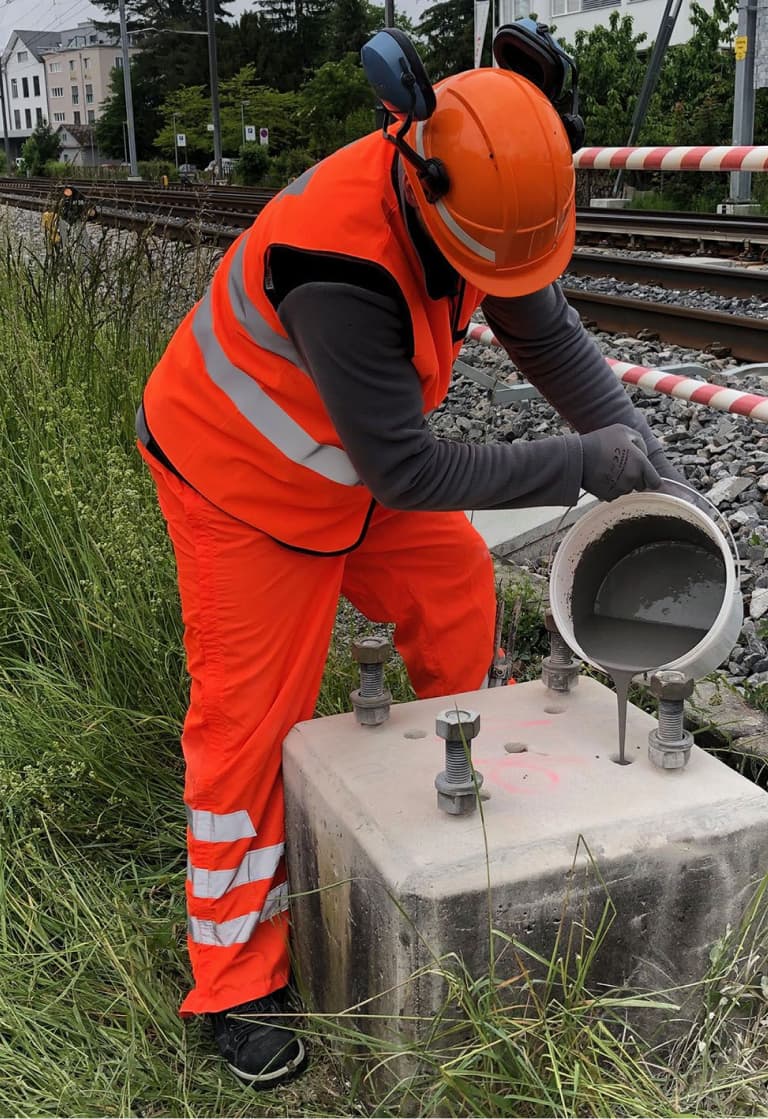
PPE for chemical demolition agents must include suitable eye and skin protection when mixing and pouring BETONAMIT®. Wear the PPE specified in the approved product information and follow relevant site controls throughout the work.
Before mixing, make sure you have:
- A clear working area
- Suitable drilling equipment
- Clean water for mixing
- A clean mixing vessel
- Suitable eye and skin protection
- A planned exclusion area
- A route for removing cracked concrete
Do not begin work until you have checked the approved product instructions. Where structural work, buried services or complex site conditions apply, seek professional advice before proceeding.
Plan the borehole pattern before drilling
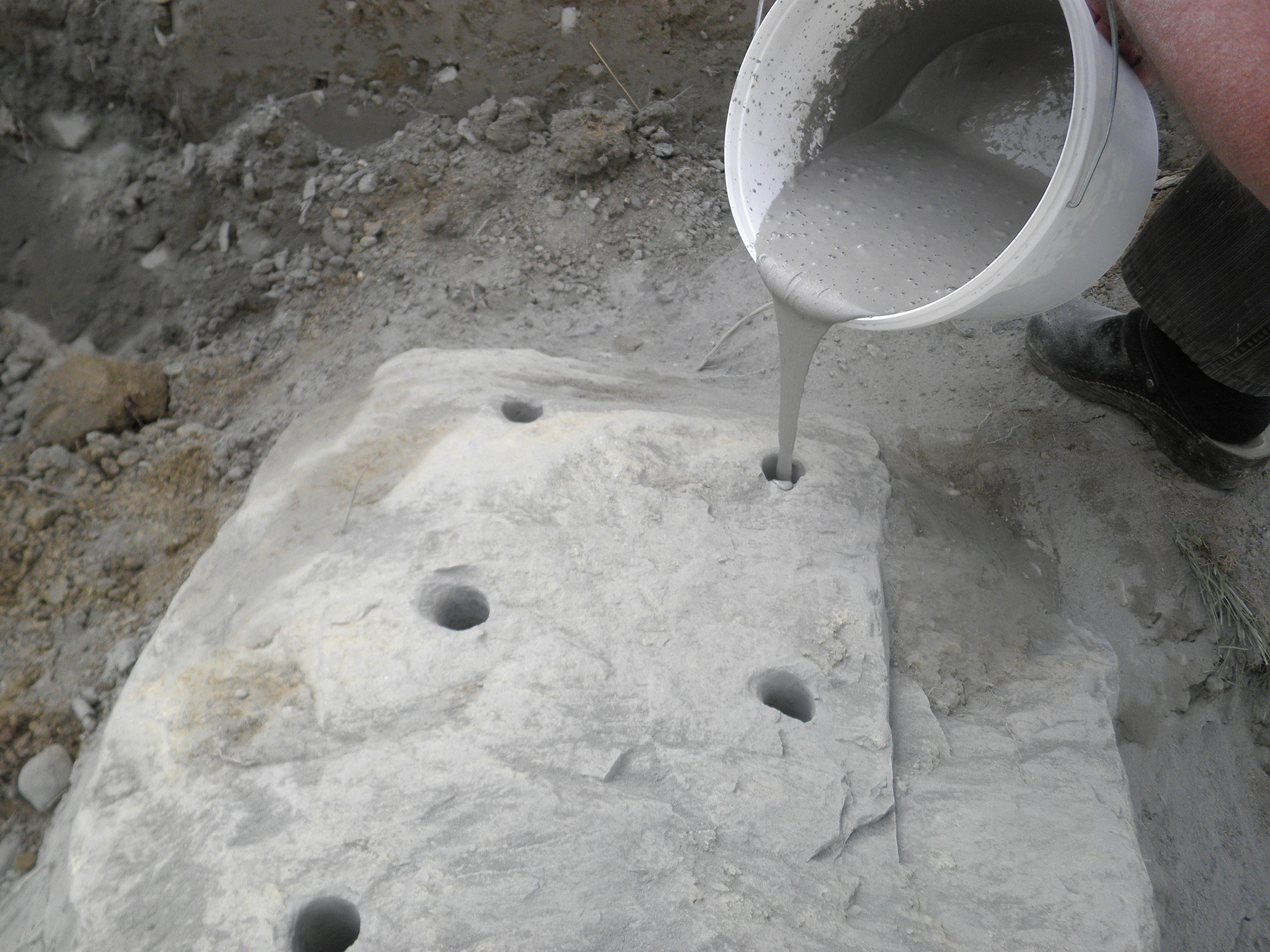
The borehole pattern controls where BETONAMIT® applies pressure within the concrete. Plan it around the required break line, the shape of the section and the size of pieces needed for removal.
The appropriate borehole diameter depends on the ambient temperature. Approved guidance specifies:
- 5 to 15°C: 30 to 45 mm boreholes
- 15 to 25°C: 25 to 45 mm boreholes
- 25 to 35°C: 25 to 40 mm boreholes
Maximum spacing is 10 times the borehole diameter. For example, a 30 mm borehole should have a maximum spacing of 300 mm. This is maximum spacing, not a universal pattern for every concrete removal job.
Borehole depth should be planned around the concrete section and intended break line using the approved instructions. Do not guess drilling positions where reinforcement, services or retained structures could be present.
A well-planned pattern can help create controlled cracking. Wide spacing, shallow holes or a pattern that does not suit the concrete shape may reduce the chance of the material breaking as intended.
Mix BETONAMIT® accurately
The application process is straightforward: Drill, Mix, Fill, Wait.
The mixing stage needs the same care as drilling because the correct water quantity is essential.
Approved BETONAMIT® guidance uses 1.2 litres of water for each 5 kg of product across the stated working temperature ranges. Measure the amount of water rather than estimating it.
Add BETONAMIT® and water following the approved step-by-step instructions. Mix thoroughly until the mortar is consistent, then use it as directed. Do not alter the water quantity in an attempt to speed up cracking or make the mortar easier to pour.
Using an expansive mortar for safe demolition means avoiding shortcuts. If the mix is too wet, too dry or prepared differently from the approved instructions, the result may be affected. Keep the working area organised and avoid unnecessary handling once mixing has started.
Fill the holes and allow time for cracking
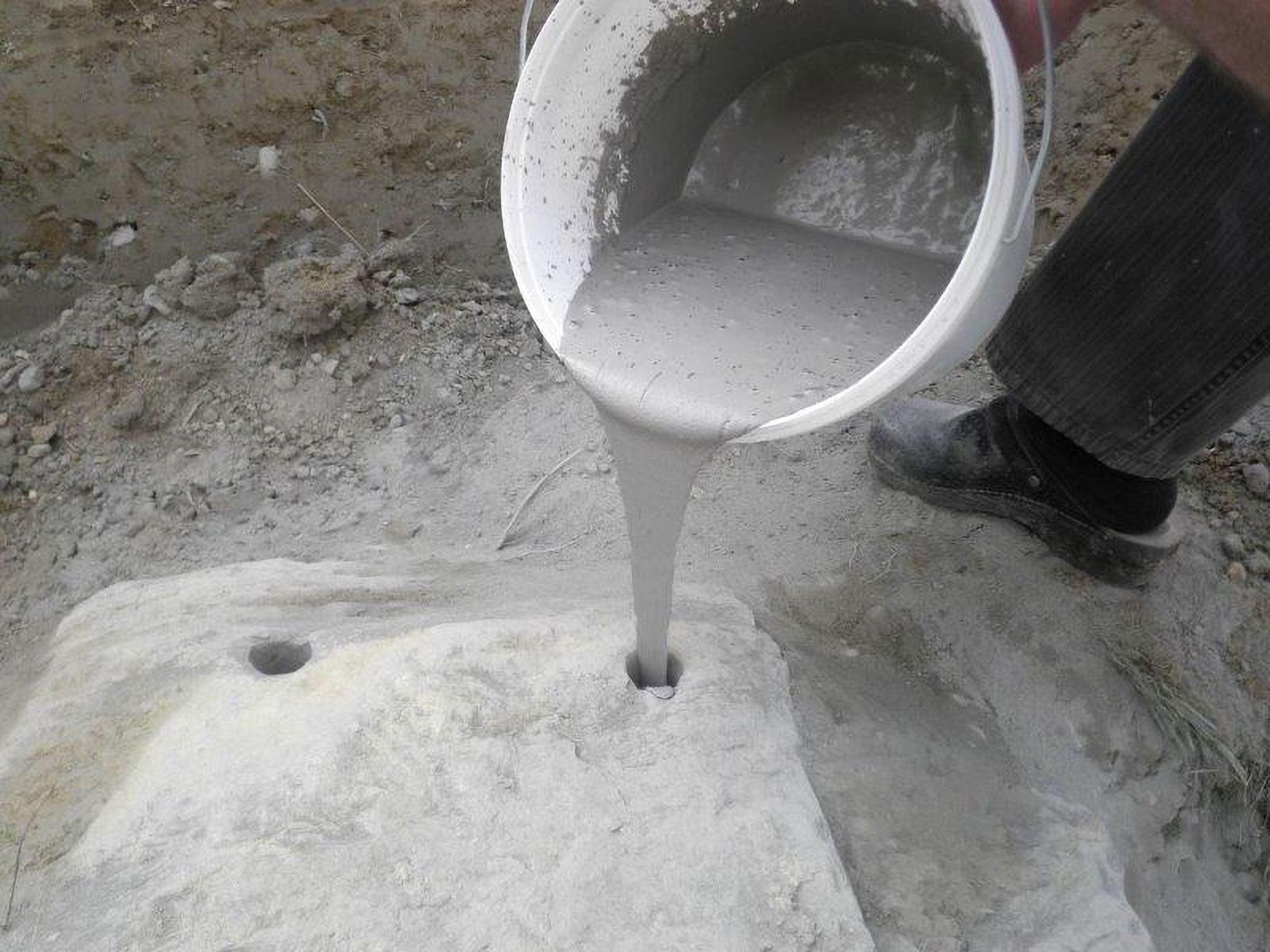
Once the expansive grout is mixed, fill the drilled holes as set out in the approved instructions. The grout expands gradually inside the concrete, applying pressure from within rather than relying on repeated impact force.
The curing period is not fixed. It varies with concrete strength, temperature, borehole diameter, depth and pattern. Approved guidance gives an effect duration of 18 to 96 hours at 5 to 15°C, 12 to 72 hours at 15 to 25°C and 6 to 48 hours at 25 to 35°C.
These ranges are guidance, not a guarantee for every job. Stronger concrete, reinforcement, unsuitable drilling or colder conditions can affect the result. Plan the programme around the fact that controlled expansion takes time.
Keep the area under control while BETONAMIT® is working. Follow the approved instructions and site arrangements for access, exclusion zones and supervision. Do not treat the concrete as stable simply because it has not yet visibly cracked.
What to look for during the curing period
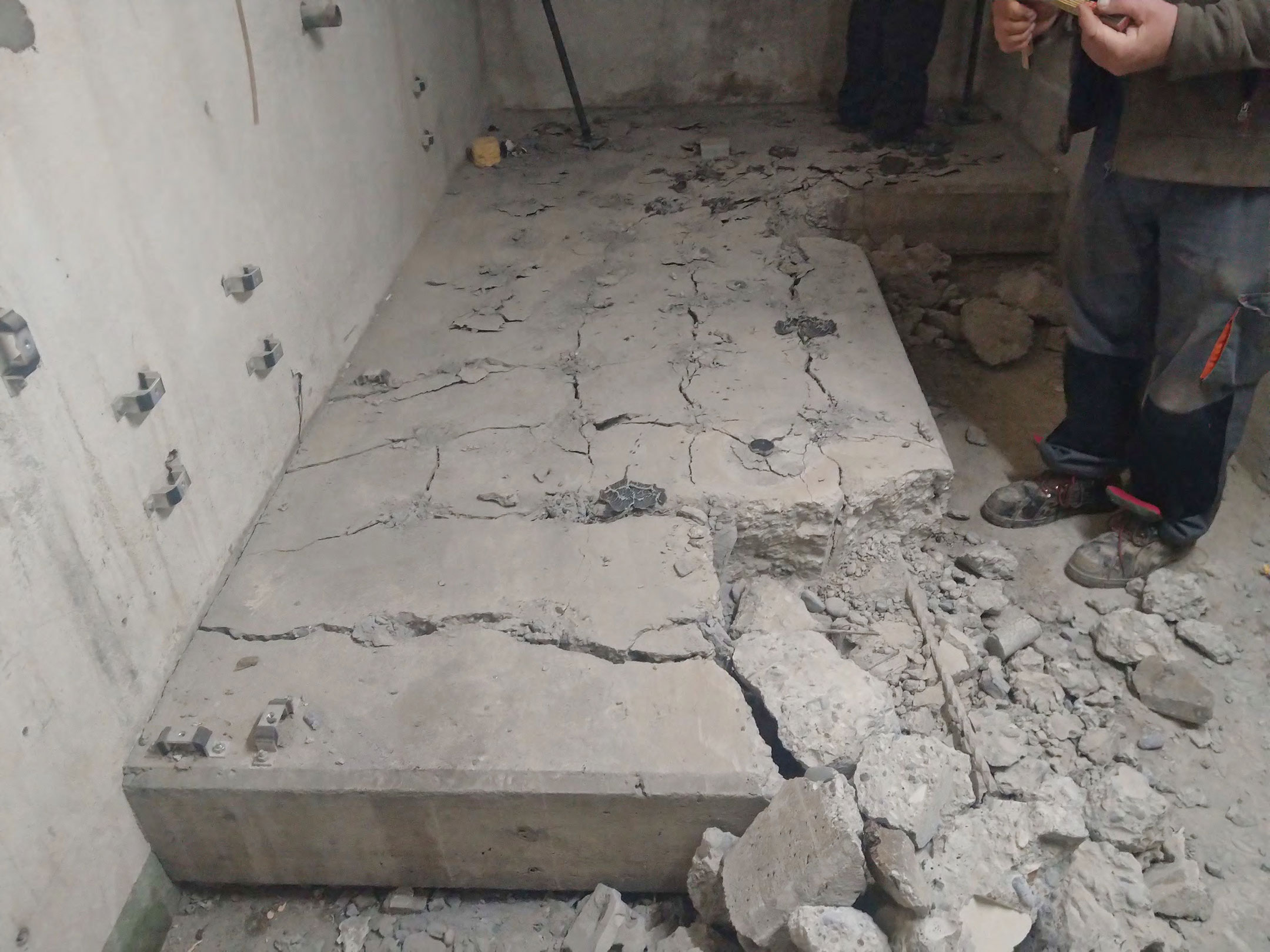
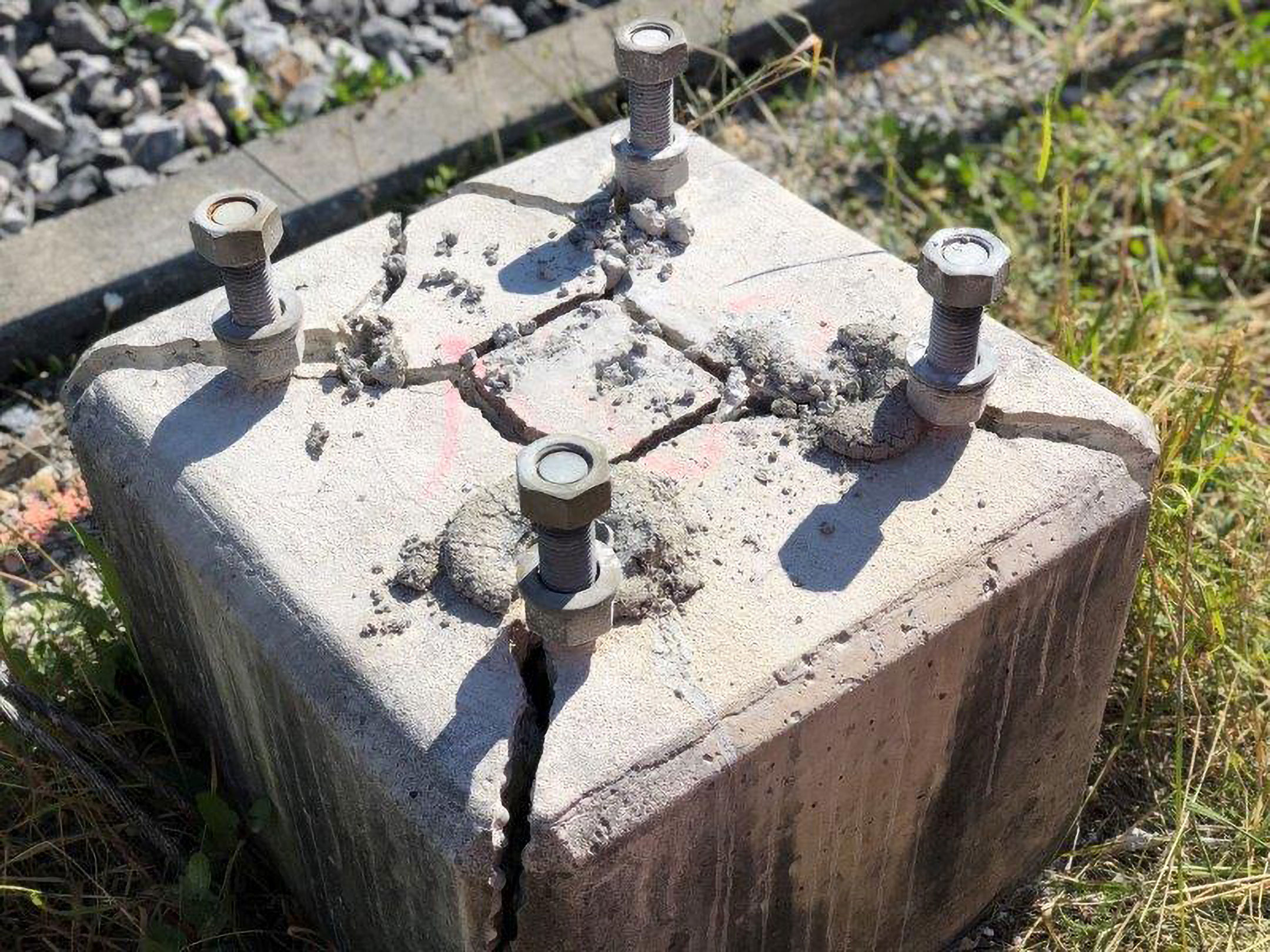
Cracking may appear along the borehole line or across the planned break area as BETONAMIT® expands. The pattern and timing depend on the concrete and drilling arrangement.
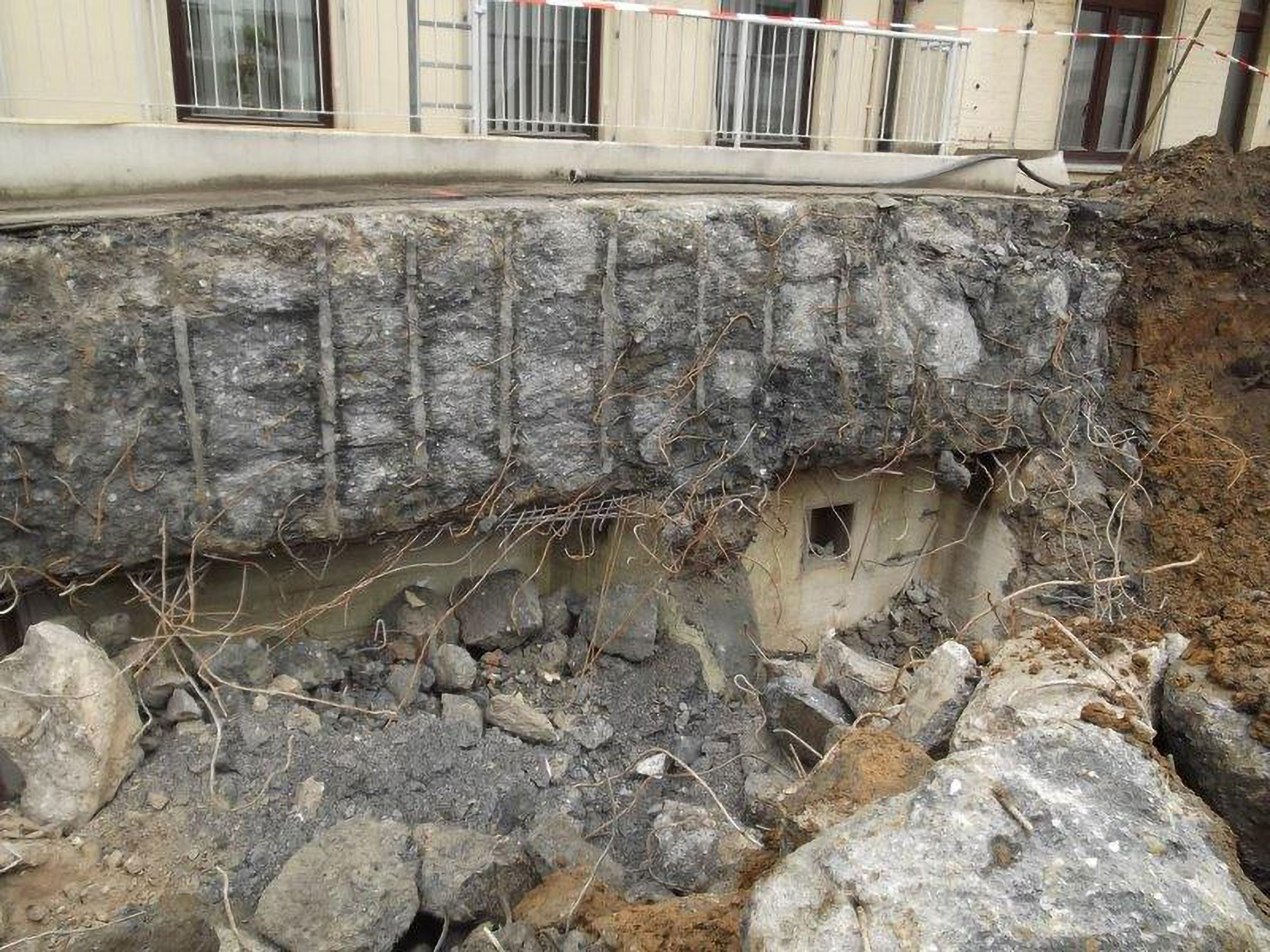
Once the concrete has cracked, assess how it can be removed in manageable pieces under the agreed work plan. Reinforcement may still hold sections together even after the concrete has fractured, so allow for this when planning removal.
Avoid forcing the process with additional mechanical impact unless that forms part of the planned method and the site conditions allow it. A controlled chemical breaker application guide should focus on achieving the right borehole layout at the start, rather than trying to correct poor results after the material has been poured.
If the concrete does not crack as expected
If cracking is delayed or does not appear as expected, do not add extra water, change the mix or drill additional holes into filled sections without reviewing the approved instructions.
Check the practical factors first:
- Ambient temperature
- Concrete strength and condition
- Borehole diameter
- Borehole depth
- Borehole spacing
- Borehole pattern
- Reinforcement within the concrete
Correct hole spacing and depth are critical. A slab that is thicker than expected, reinforced or drilled with an unsuitable pattern may need a different approach.
For project-specific product support, contact us with the confirmed borehole details, concrete type and site conditions.
Plan quantity before starting demolition work
Ordering the right quantity helps avoid stopping part-way through a planned break sequence. The amount of BETONAMIT® required depends on the number of boreholes, their diameter and their depth.
Use approved consumption figures or calculate the requirement from confirmed measurements. For example, BETONAMIT® consumption per metre of borehole is 0.86 kg for a 25 mm hole, 1.24 kg for a 30 mm hole and 2.20 kg for a 40 mm hole.
Use these figures as an estimate only. Concrete condition and the final drilling plan may affect the quantity needed. You can plan your demolition needs using our calculator before ordering.
Use a controlled approach for concrete breaking
BETONAMIT® is a practical option where controlled concrete breaking is preferred over a high-impact method. It can help where vibration, noise, access or nearby structures make mechanical breaking less suitable.
The key to using BETONAMIT® safely is preparation. Confirm the site conditions, plan the borehole pattern, measure the water accurately and allow suitable time for expansion. Follow the approved instructions at every stage.