When it comes to breaking concrete or rock, most people reach straight for a breaker. A jackhammer feels direct, familiar and fast.
But demolition decisions are rarely that simple. On many modern sites, especially in built-up areas or near retained structures, the real question is not just how quickly the concrete breaks. It is how much risk, disruption and hidden cost the method creates.
How Each Method Breaks Concrete
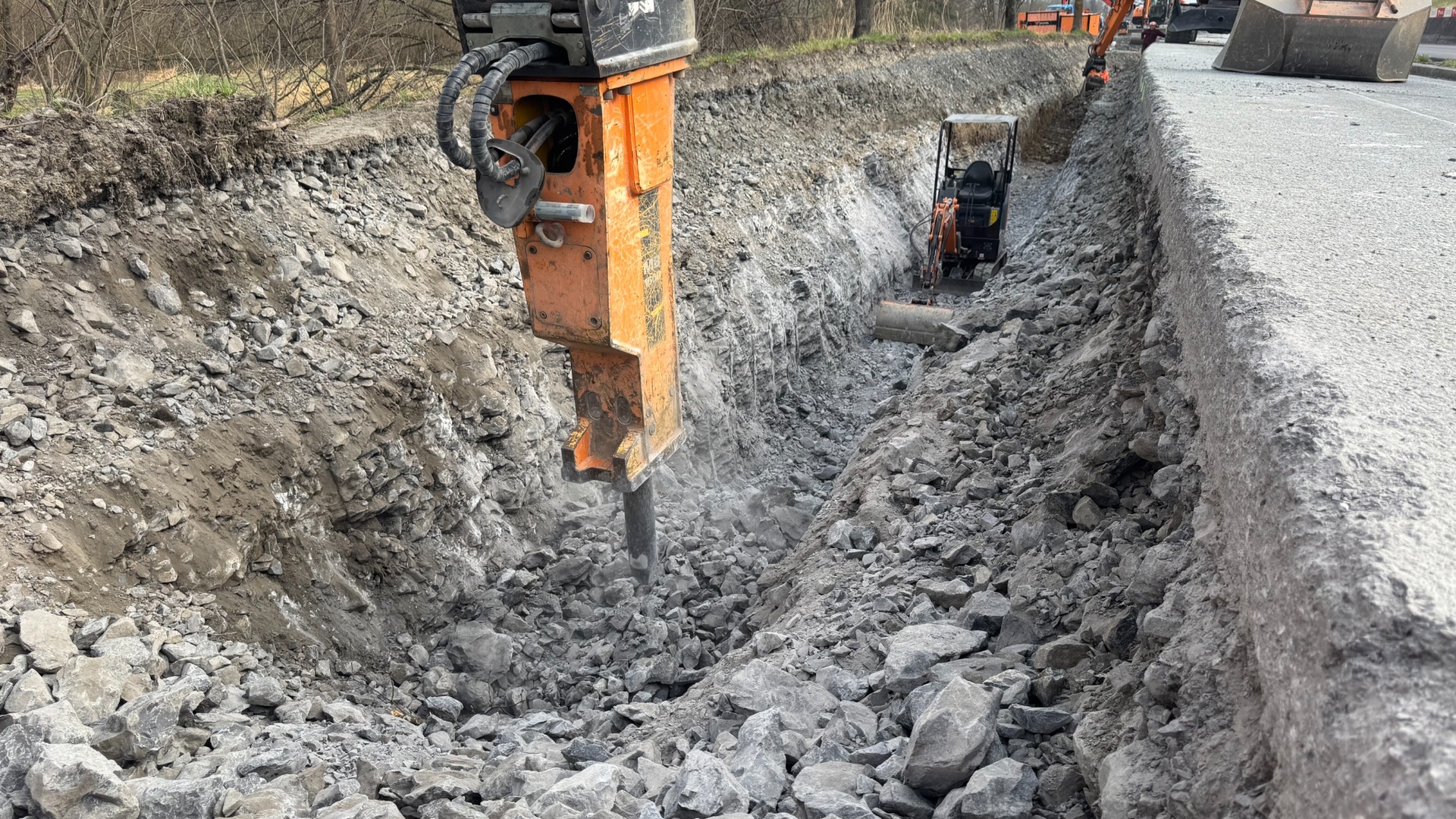
A jackhammer relies on repeated impact. The tool transfers force into the slab or rock until cracks develop and sections break away. The result is immediate and visible. You see progress as you go.
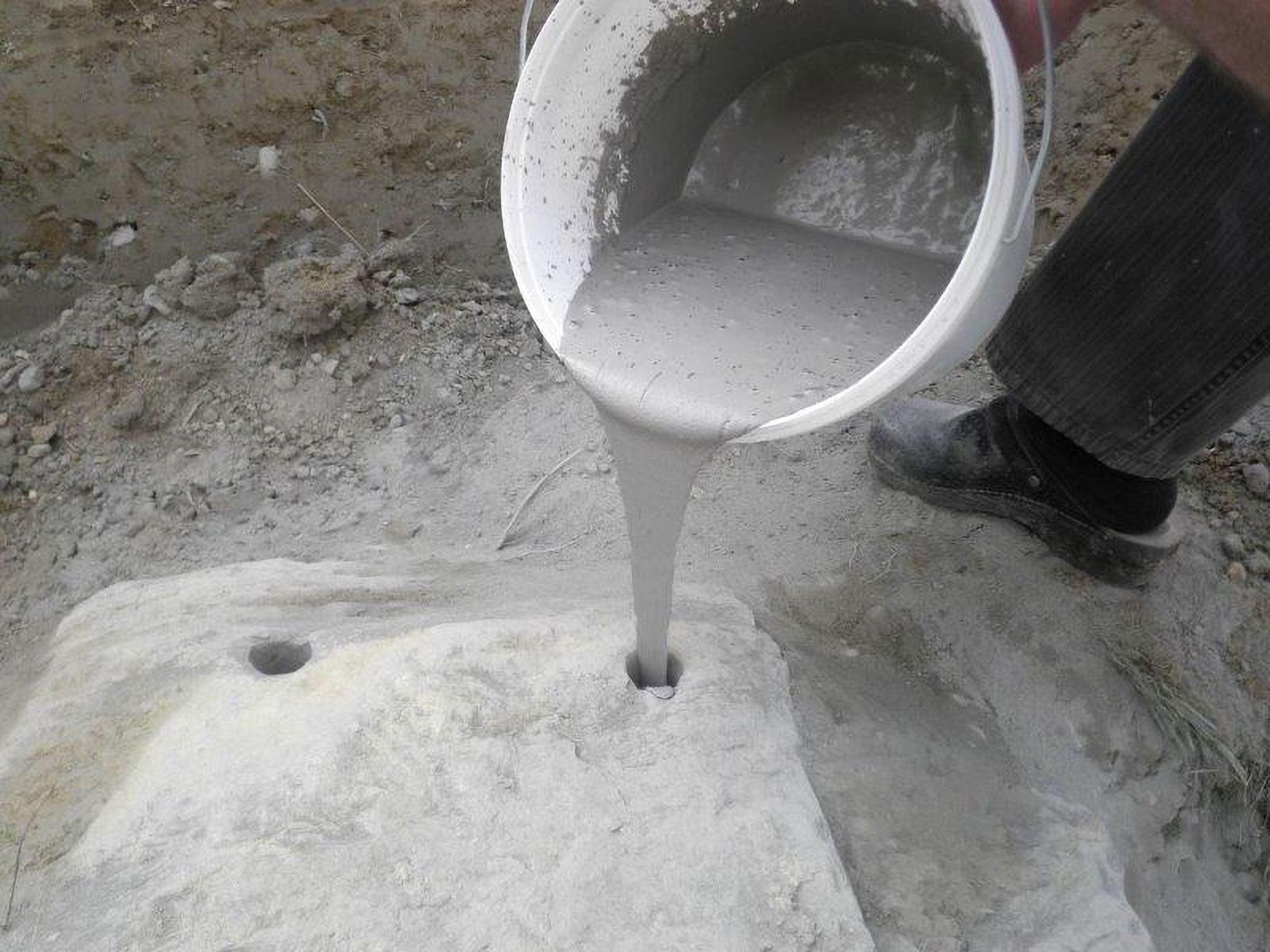
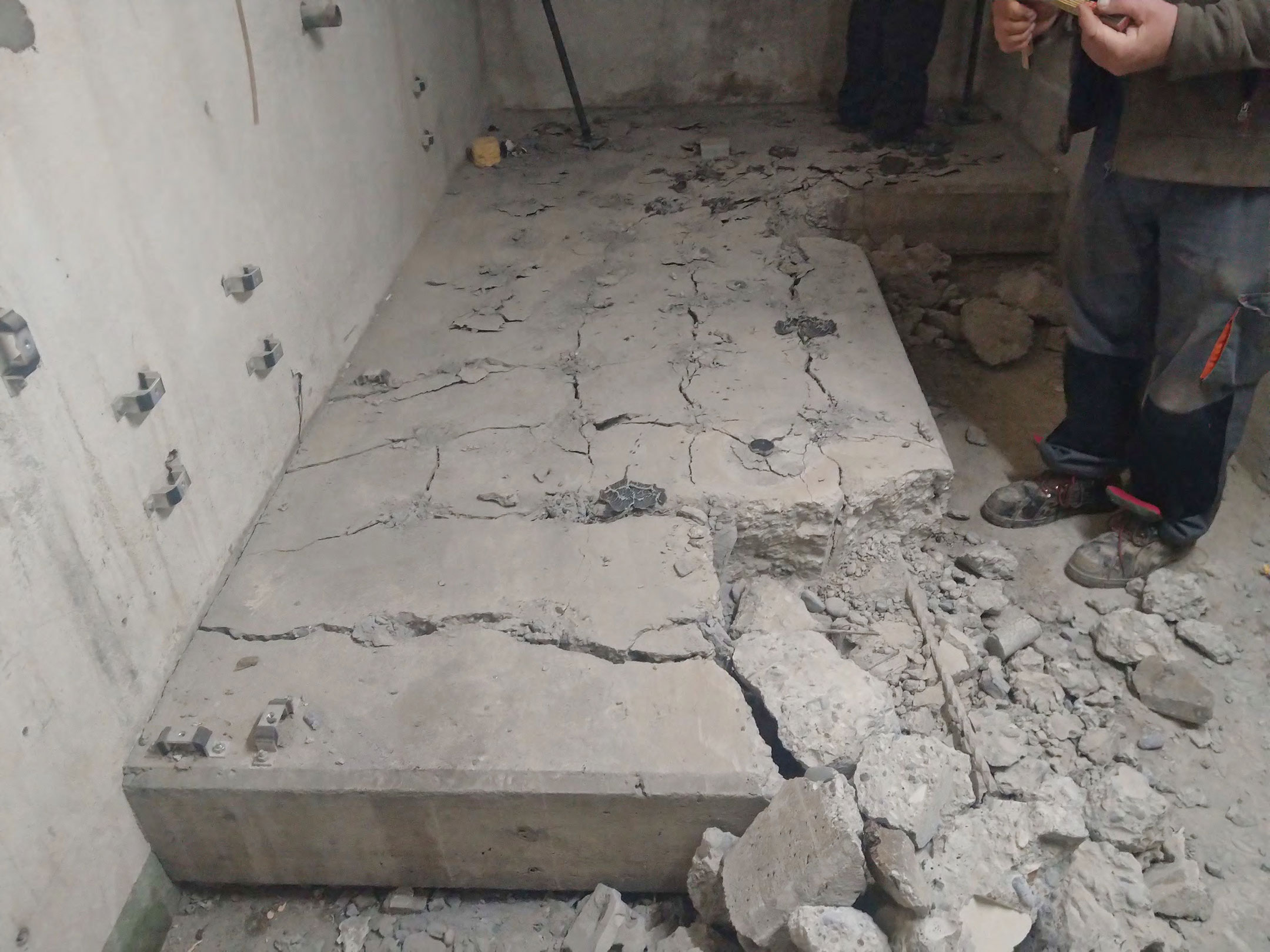
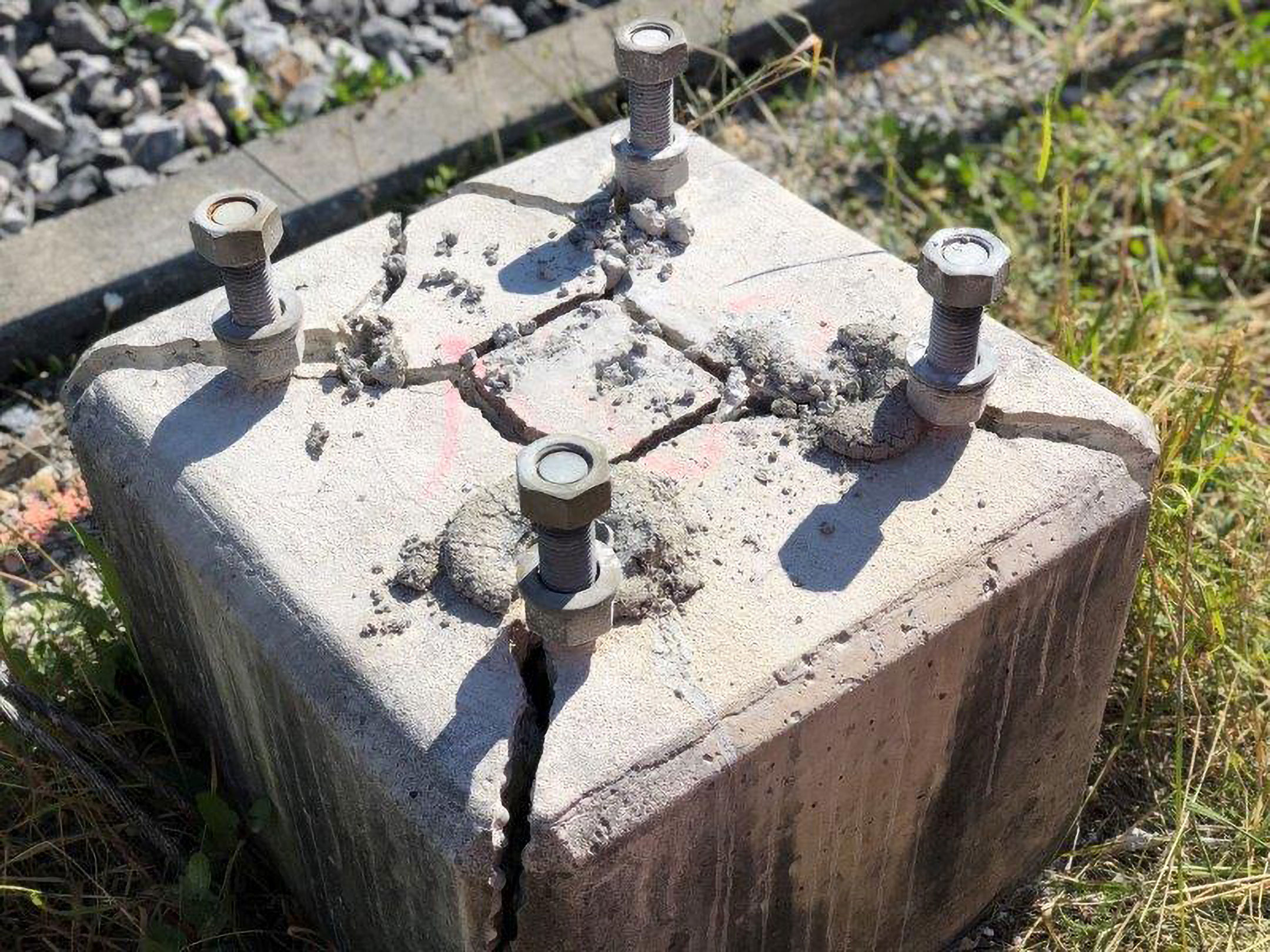
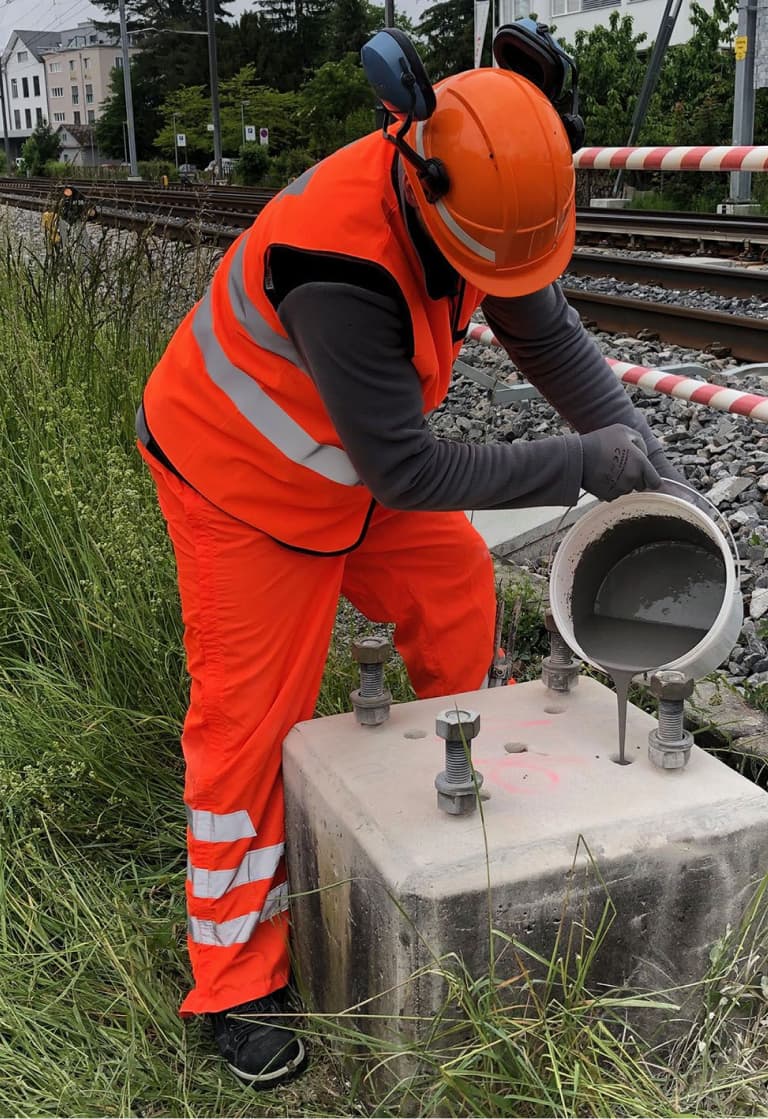
An expansive mortar works in a completely different way. It is a cement-based compound that is mixed with water and poured into pre-drilled holes. As it cures, it expands and generates internal pressure. That pressure forces the concrete to crack from the inside out.
Instead of repeated hammering, it uses controlled expansion. This is the principle behind modern non explosive demolition agent systems used for structural alteration, slab removal and rock splitting.
The choice between impact and expansion changes how force is applied to the surrounding structure.
Comparing Upfront and Hidden Costs
On the surface, a jackhammer often appears cheaper. You hire the breaker, plug it in or fuel it up and start working. The hire rate seems straightforward However, demolition cost goes beyond the tool.
With a jackhammer, you are paying for:
- Hire charges over time
- Fuel or electricity
- Continuous operator labour
- Potential additional labour for clearing debris
- Increased fatigue on longer jobs
If the slab is thick or reinforced, productivity drops. The operator works harder and progress slows. On larger areas, labour costs can overtake tool hire costs quickly.
There is also the risk of vibration-related damage. Cracking in retained walls or adjacent slabs can result in repair work, disputes or insurance claims. While this does not happen on every job, the risk must be factored in on sensitive sites.
Expansive mortar for demolition shifts the cost profile. You invest in the material and in drilling time. Once the holes are drilled and filled, the compound expands and fractures the concrete without further input.
There is no fuel use during breaking and no continuous hammering. Labour demand reduces significantly once the system is in place. On jobs where vibration damage would be costly, avoiding that risk often balances the material cost.
Safety Considerations on Site
Safety differences between impact and expansion methods are significant.
A jackhammer introduces vibration, noise and flying debris. Even with correct PPE, operators are exposed to:
- Hand-arm vibration
- High noise levels
- Dust generation
- Fragment movement
- Increased fatigue
Extended use can increase strain and reduce control, especially in awkward positions or confined areas.
Expansive mortar removes impact from the process entirely. The method is straightforward:
Drill > Mix > Fill > Wait
Drill the correct hole pattern into the concrete. Mix the compound accurately. Fill the holes fully. Allow expansion to generate cracking pressure.
Because there is no repeated hammering:
- There is no vibration transfer
- Noise is minimal
- There is no shockwave
- Debris movement is controlled
This makes expansive systems particularly suited to non explosive concrete demolition where surrounding structure must remain intact.
On internal works, basement conversions or refurbishment projects, eliminating vibration significantly reduces structural risk.
Productivity in Different Conditions
Jackhammers perform well in open areas where there is nothing sensitive nearby. On isolated slabs or demolition sites with no retained elements, impact breaking can be efficient.
They are less suited to:
- Thick reinforced slabs
- Work adjacent to existing foundations
- Residential environments with noise limits
- Confined internal spaces
Continuous impact increases fatigue and slows progress over time.
Expansive mortar for demolition (also known as expansive grout) performs well when:
- Breaking concrete near retained walls
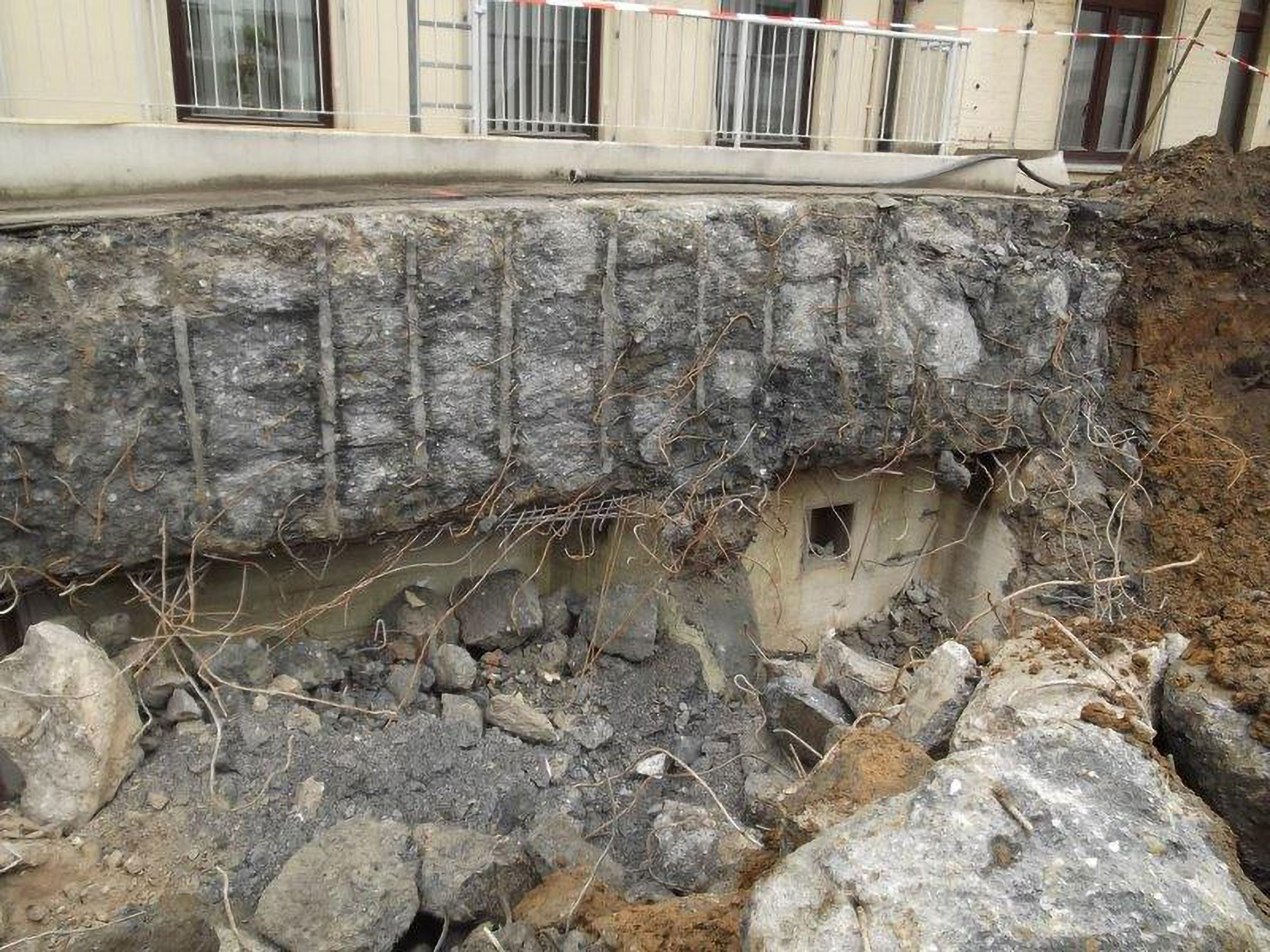
- Removing foundations beside occupied buildings
- Splitting rock in trenches
- Working in noise-restricted areas
- Access for heavy plant is limited
The same principle applies to non explosive rock breaking where vibration could destabilise trench walls or surrounding ground.
Although cracking develops gradually, the overall workflow can be more predictable. Instead of chasing fractures with a breaker, you guide the cracking pattern through drilling layout.
Risk to Surrounding Structures
Impact tools transmit energy beyond the immediate contact point. On older properties or partially retained slabs, this can result in unintended cracking.
Where you are removing part of a foundation or cutting back a slab while keeping adjacent sections intact, uncontrolled vibration creates commercial risk. Visible cracking can lead to delays and dispute even if structural integrity is not compromised.
Expansive mortar avoids this issue. Because the cracking originates internally and develops gradually, surrounding structures are not subjected to repeated shock loading.
For contractors working in urban areas, this reduction in risk is often the deciding factor.
Licensing and Compliance
Neither a jackhammer nor expansive mortar requires a blasting licence. However impact methods may still raise concerns in regulated environments due to vibration and noise.
Using a non explosive demolition agent simplifies compliance. There are no explosive storage requirements and no vibration monitoring related to blast shock.
On projects with strict site conditions, reducing compliance variables keeps programmes moving.
Making the Right Commercial Choice
Choosing between a breaker and expansive mortar for demolition is not about which tool is stronger. It is about which method suits the site.
A jackhammer remains effective where speed matters and surrounding structures are not at risk.
Expansive mortar becomes the better option when:
- Structural protection is critical
- Vibration could cause damage
- Noise restrictions apply
- Precision is required
- Access limits heavy equipment
Concrete demolition is rarely just about breaking material. It is about balancing force, risk and cost.
On many modern sites, controlled expansion provides a safer and commercially sensible alternative to repeated impact.
Ready to Reduce Vibration on Your Next Demolition Job?
If expansive mortar for demolition fits your project requirements, BETONAMIT® offers a proven non-explosive solution trusted across construction and groundwork sites.
Shop BETONAMIT® today and take control of your concrete demolition safely and efficiently.