Removing concrete in noise-sensitive environments
If you’re searching for how to remove concrete quietly, chances are you’re working somewhere noise matters.
You might be:
• In a residential street
• Working inside an occupied building
• Close to neighbouring properties
• On a site with restricted working hours
• Carrying out internal renovation or structural alterations
In these situations, a breaker running all day isn’t just disruptive – it can stop the job altogether.
There is a more controlled way to deal with concrete that avoids the usual noise and vibration issues.
Why Concrete Breaking Causes Noise Problems
Traditional methods rely on impact force.
Jackhammers and hydraulic breakers:
• Generate constant high noise levels
• Transmit vibration through surrounding structures
• Create dust and flying debris
• Make communication on site difficult
• Lead to neighbour complaints
Even smaller electric breakers are loud enough to become a problem in built-up areas.
If you’re trying to remove a slab, footing or internal section of concrete, mechanical impact can be excessive.
The smarter approach is controlled splitting with expansive grout, rather than repeated hammering.
The Controlled Alternative
One of the most effective ways to remove concrete quietly is by using a non explosive demolition agent such as BETONAMIT®.
Instead of smashing the concrete apart with impact tools, you:
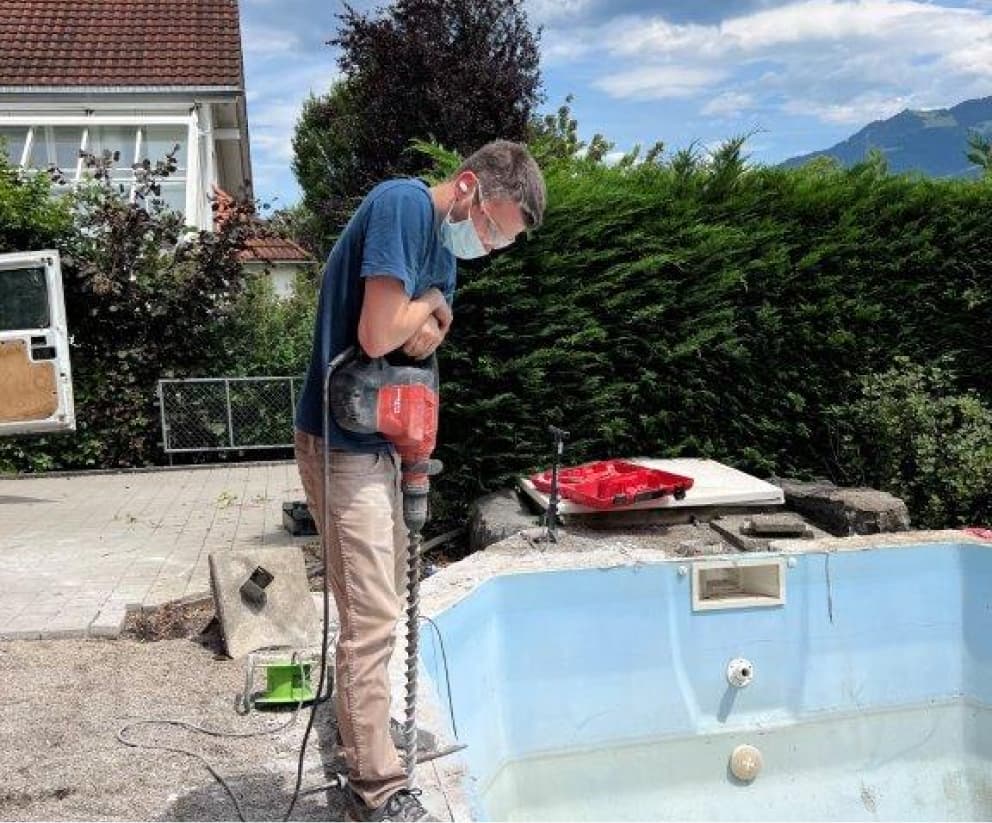
• Drill holes
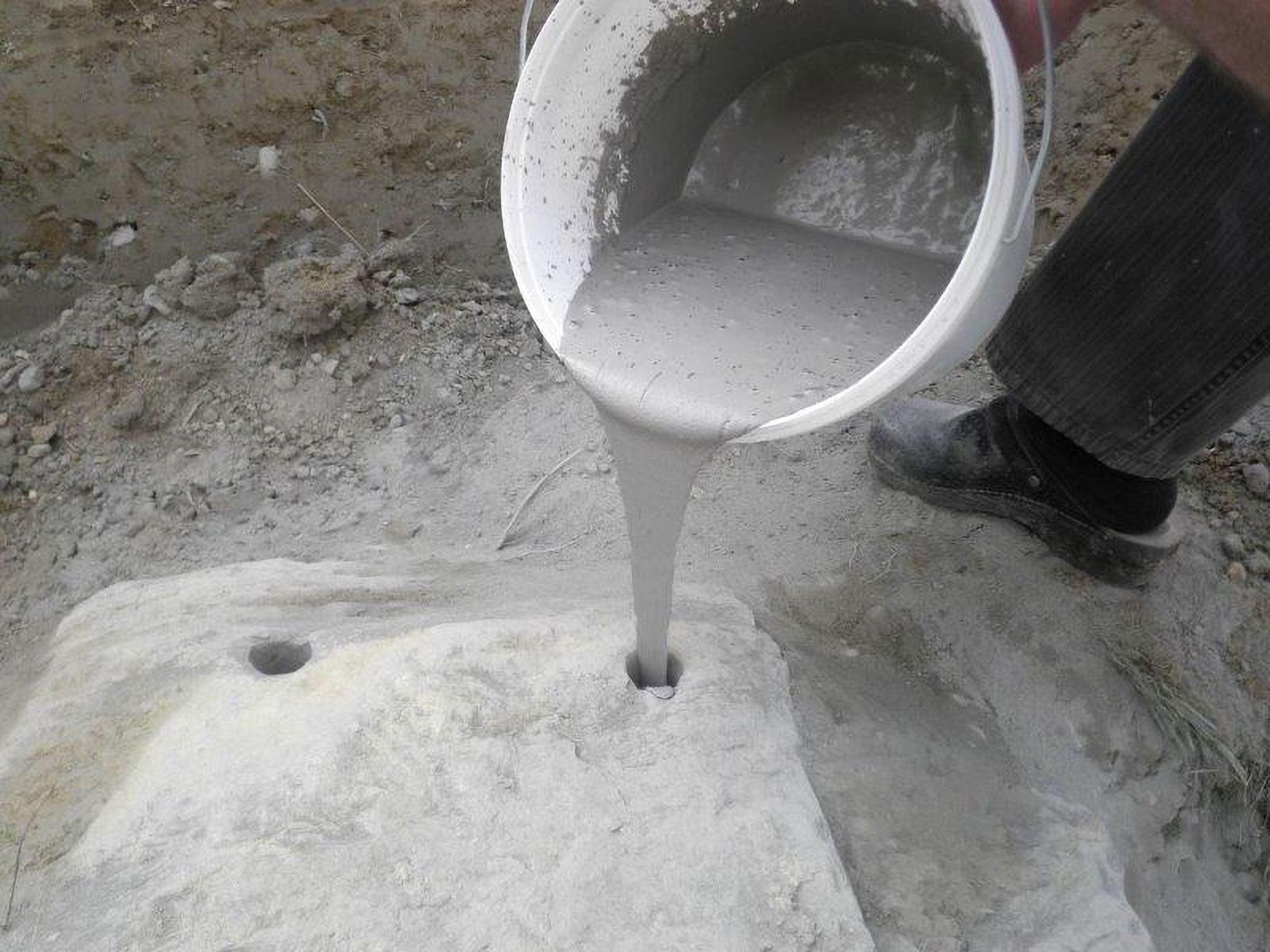
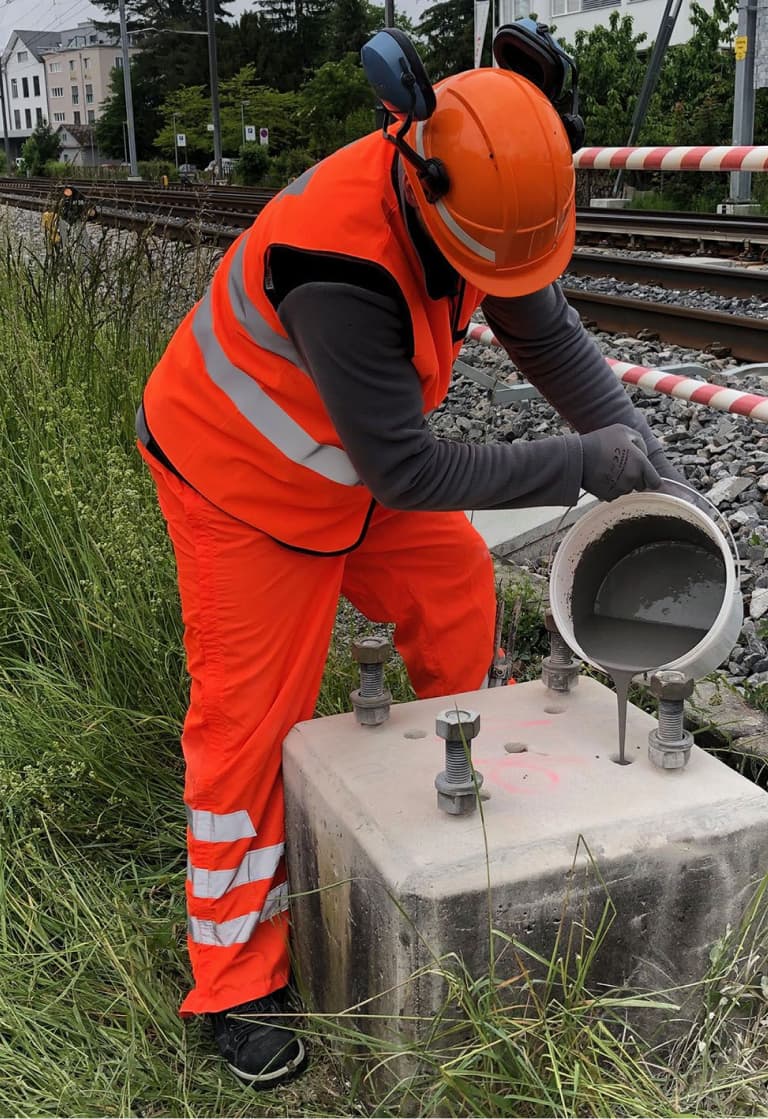
• Mix the compound with water
• Fill the holes
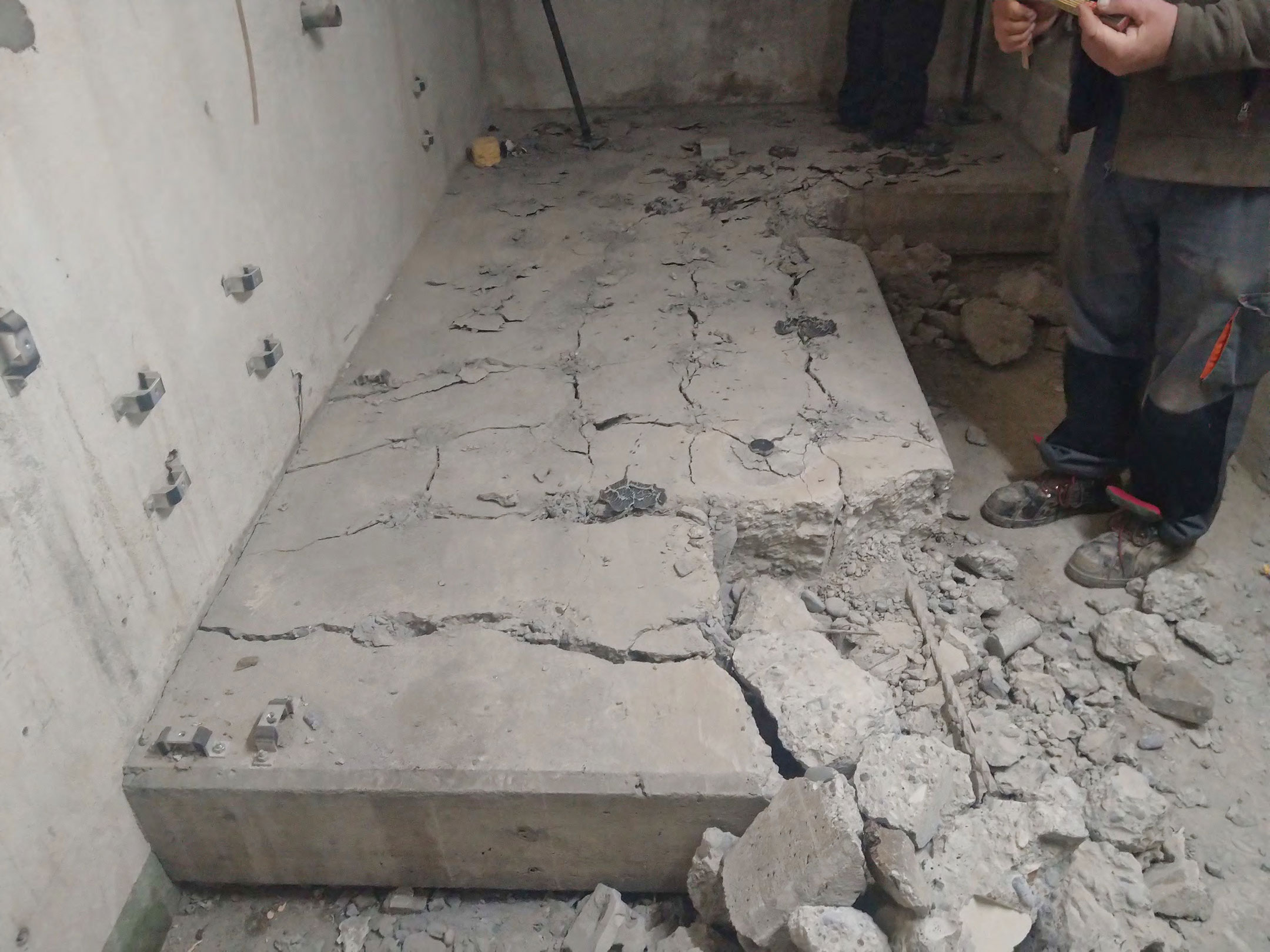
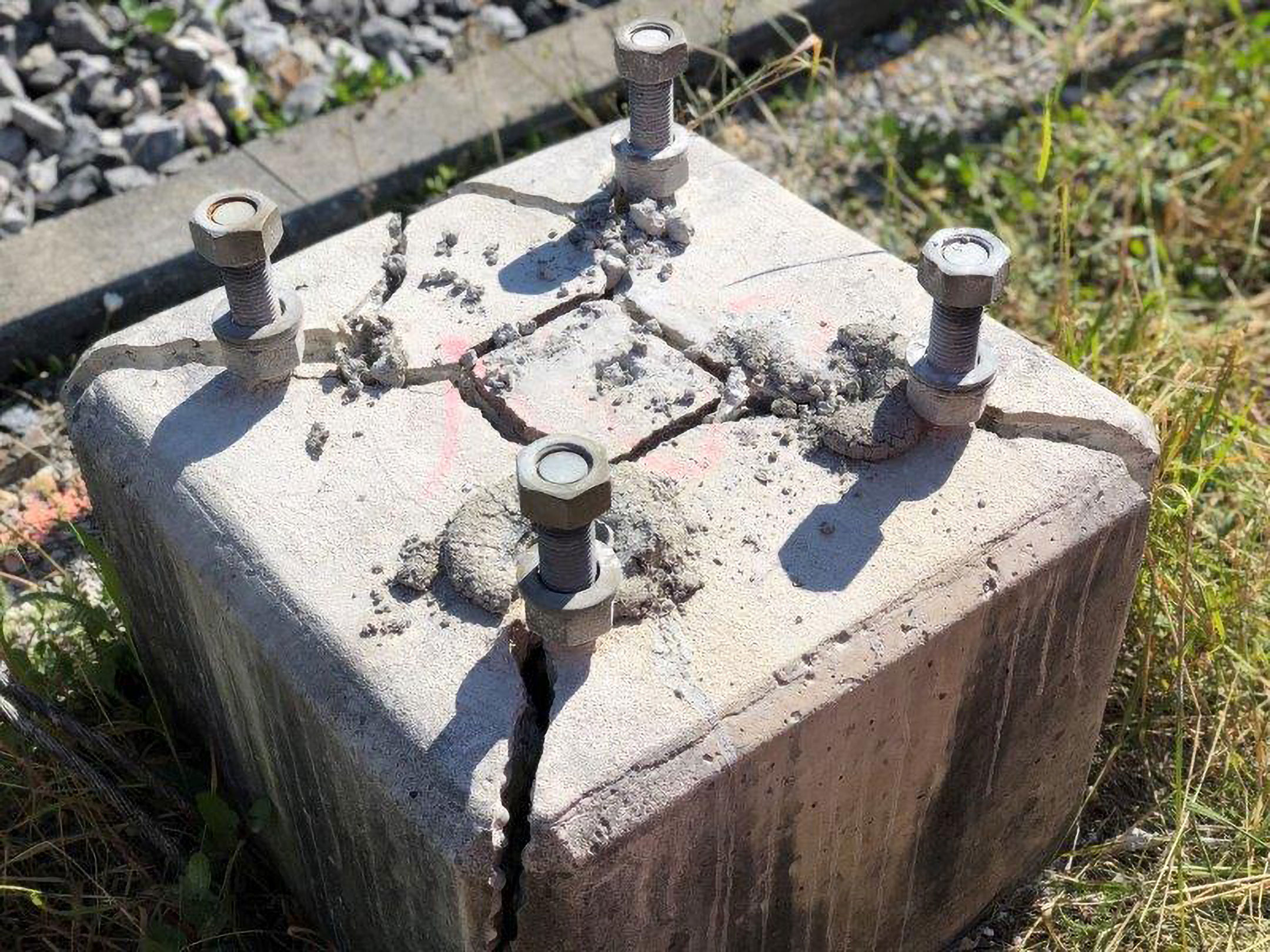
• Allow it to expand and fracture the concrete
There’s no detonation.
No continuous hammering.
No high-impact vibration.
Once the holes are filled, the process is quiet. The expansion pressure builds inside the concrete and creates controlled cracking along your drill line.
Where Quiet Concrete Removal Works Best
Using controlled expansion is particularly useful for:
• Concrete slabs in gardens or driveways
• Internal concrete floors
• Strip foundations
• Steps and small structural sections
• Reinforced concrete in residential settings
It’s especially suited to:
• Urban environments
• Semi-detached or terraced properties
• Basement works
• Schools, hospitals and offices
• Projects with strict noise controls
If you can drill it, you can split it – without the constant noise of a breaker.
Step-by-Step: How to Remove Concrete Quietly
1. Drill the Hole Pattern
Using an SDS Max or rotary hammer drill:
• Drill vertically into the concrete
• Keep spacing consistent
• Maintain uniform depth and diameter
The drilling pattern controls how the slab will crack.
2. Mix the Material
BETONAMIT® is supplied as a dry powder.
• Add clean water
• Mix to a smooth, pourable consistency
It’s similar to mixing a cement-based product. No specialist equipment required.
3. Fill the Holes
Pour the mix directly into the drilled holes.
There are:
• No detonators
• No ignition
• No impact tools required once filled
After this point, the process is silent.
4. Allow It to Expand
The material expands inside the concrete, creating steady internal pressure. Cracks form along the drilled line. Sections separate cleanly.
Instead of hours of hammering, you get controlled splitting with minimal disruption.
Once fractured, the concrete can be lifted out in manageable pieces.
What About Reinforced Concrete?
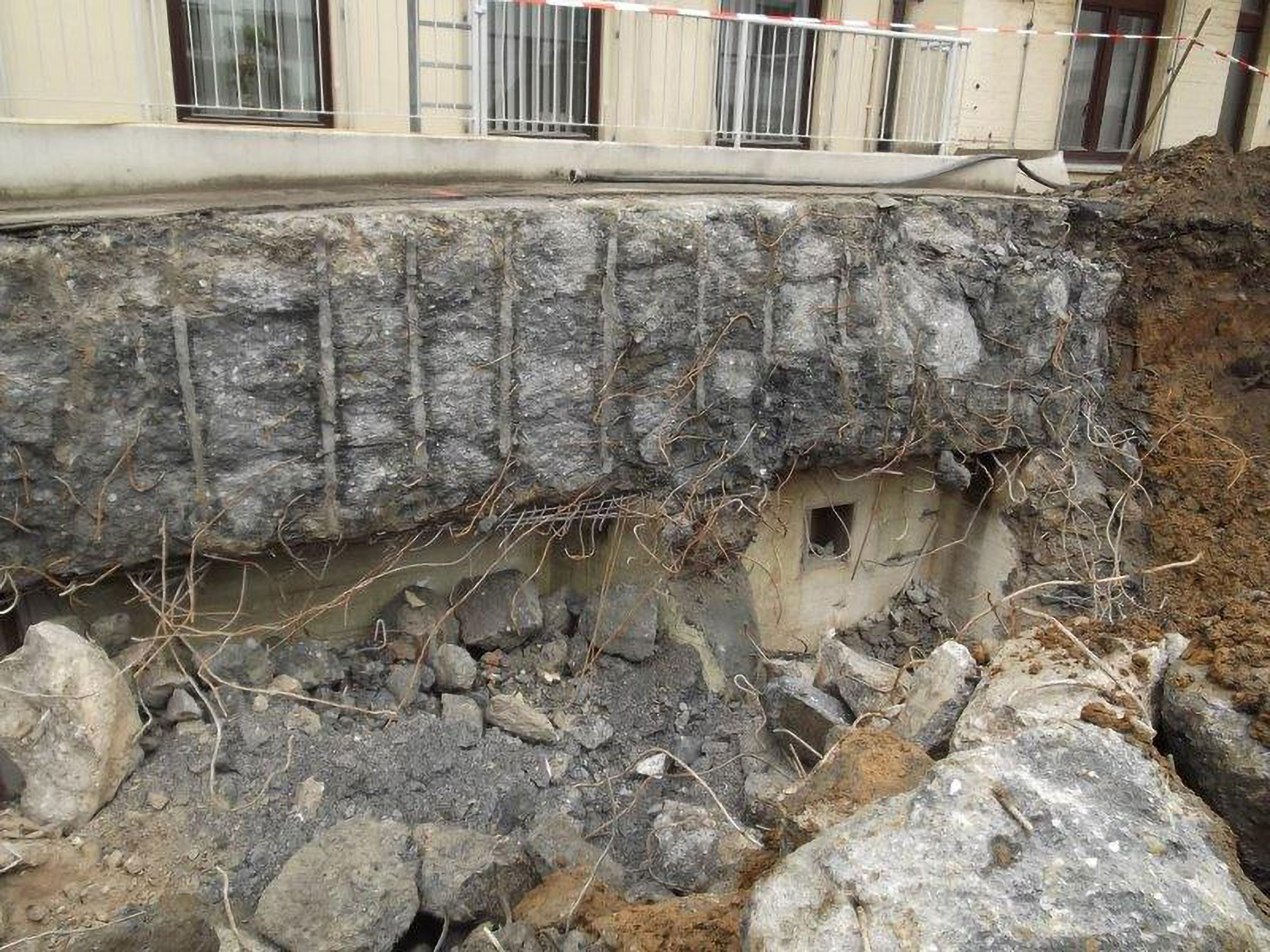
Reinforced concrete can be treated in the same way.
The concrete fractures first.
The exposed steel can then be cut or cropped separately.
Expansive mortar produces a cleaner result than hammering through reinforced sections and avoids unnecessary vibration.
Why This Is Better Than Jackhammering in Noise-Sensitive Areas
Jackhammers:
• Create continuous impact noise
• Cause vibration through shared walls and slabs
• Lead to complaints and restricted hours
• Are physically demanding to operate
Controlled expansion:
• Works quietly once poured
• Produces no shock waves
• Reduces strain on operatives
• Keeps surrounding structures undisturbed
You’re not fighting the concrete with force. You’re using steady expansion pressure to break it on your terms.
Is It Complicated?
No. BETONAMIT® does not require a blasting license, explosive storage or specialist demolition certification.
It’s suitable for builders, groundworkers, landscapers and general contractors who need a practical way to remove concrete quietly.
The method stays simple: Drill → Mix → Fill → Wait
When Removing Concrete Quietly Makes Commercial Sense
This approach can reduce:
• Noise complaints
• Site shutdown risks
• Plant hire costs
• Labour fatigue
• Risk of vibration damage
• Programme delays due to restricted working hours
On smaller jobs or occupied sites, it’s often the more practical and professional demolition method.
Considering a Quieter Way to Break Concrete?
If you’re working somewhere noise matters and you’re looking at how to remove concrete quietly, controlled expansion is well worth considering.
Tell us:
• Slab thickness
• Approximate area
• Whether it’s reinforced
• Any site restrictions
We can help you assess drilling layout, spacing and material quantities so you can break the concrete cleanly – avoiding the complaints that come with heavy impact tools.
In noise-sensitive environments, demolition doesn’t have to mean disruption. With the right approach, concrete can be fractured cleanly, predictably and without turning the job into a complaint magnet.
If you need to remove concrete quietly on your next job, shop BETONAMIT® and get started with a controlled solution.