Foundation removal is different from breaking out an isolated slab or garden path. Foundations often sit close to existing walls, party walls, drainage runs and footings that must remain in place. That makes the method of breaking as important as the concrete itself.
For many projects, foundation removal without vibration is a priority. Repeated impact from a jackhammer or hydraulic breaker may be difficult to justify where work is close to an older property, a boundary wall or an existing extension.
The right approach depends on the foundation arrangement, the surrounding ground, access, reinforcement and the condition of nearby structures. Suitable planning is essential before any breaking work begins.
Why foundation removal carries more structural risk
Foundation work sits close to party walls and existing footings more often than most other demolition types. A redundant foundation may still run alongside a retained wall, beneath an old extension line or through an area where new groundwork is planned.
That creates a different set of considerations from general concrete demolition. The concrete may be close to support that must not be disturbed. There may also be hidden drainage, utility services or changes in ground level that affect the removal plan.
Before choosing a method, establish:
- The location of retained walls and nearby footings
- Whether the foundation could affect an existing structure
- The position of known services and drainage
- The planned excavation boundary
- Access for equipment and rubble removal
- The order in which concrete sections will be broken out
Mechanical breaking may still be suitable where there is clear separation from existing structures and enough room to manage debris. Where the foundation is close to sensitive areas, low vibration foundation demolition may be worth considering.
For wider guidance on vibration-sensitive concrete work, read our article on concrete demolition without vibration.
Vibration risk near footings, party walls and underpinning
A breaker transfers repeated impact into the concrete. Depending on the material, ground conditions and distance from the work, vibration can also travel through the surrounding area.
This may be a concern where foundation removal is taking place near an older building, party wall or retained footing. Vibration risk near foundation work can compound over time on settled or older structures. Repeated breaking over a longer period may place more stress on areas that already have movement, cracking or weak finishes.
Potential issues to consider include:
- Existing cracks becoming more noticeable
- Movement around older or shallow footings
- Damage to brittle masonry or finishes
- Disturbance to nearby drainage or buried services
- Reduced control when concrete breaks in larger sections
This does not mean a jackhammer is unsuitable for every job. It means the demolition method should reflect the site conditions. On an open site with good access, mechanical breaking may be manageable. On a tight extension site beside an occupied property for example, a more controlled approach may be more appropriate.
Where foundation removal underpinning is planned or already in place, the work should follow the project design and agreed site controls. BETONAMIT® does not replace specialist planning or engineering input for underpinning work.
When structural engineer input should be considered
Structural engineer sign-off is common practice on foundation removal near other buildings, particularly where the work could affect retained walls, existing footings or the planned support arrangement for an extension.
Do not assume an old foundation is safe to remove simply because the structure above it has changed or been removed. Older properties can have unclear foundation layouts, previous alterations or buried elements that are not obvious from the surface.
Competent professional advice may be needed where:
- A foundation runs alongside an existing building
- A party wall is nearby
- The role of the concrete is uncertain
- Adjacent footings may be affected
- Underpinning is involved
- There are signs of movement, cracking or settlement
- The work forms part of a structural alteration
A structural engineer can assess the existing arrangement and advise on the removal sequence where required. That may include temporary works, excavation stages or specific monitoring requirements.
Check for hidden services and structural risks before breaking begins. Site requirements and legal obligations may vary, so make sure the project has the appropriate controls in place.
Using BETONAMIT® for low-vibration foundation demolition
BETONAMIT® is a non-explosive demolition agent for breaking concrete, rock and stone through controlled expansion.
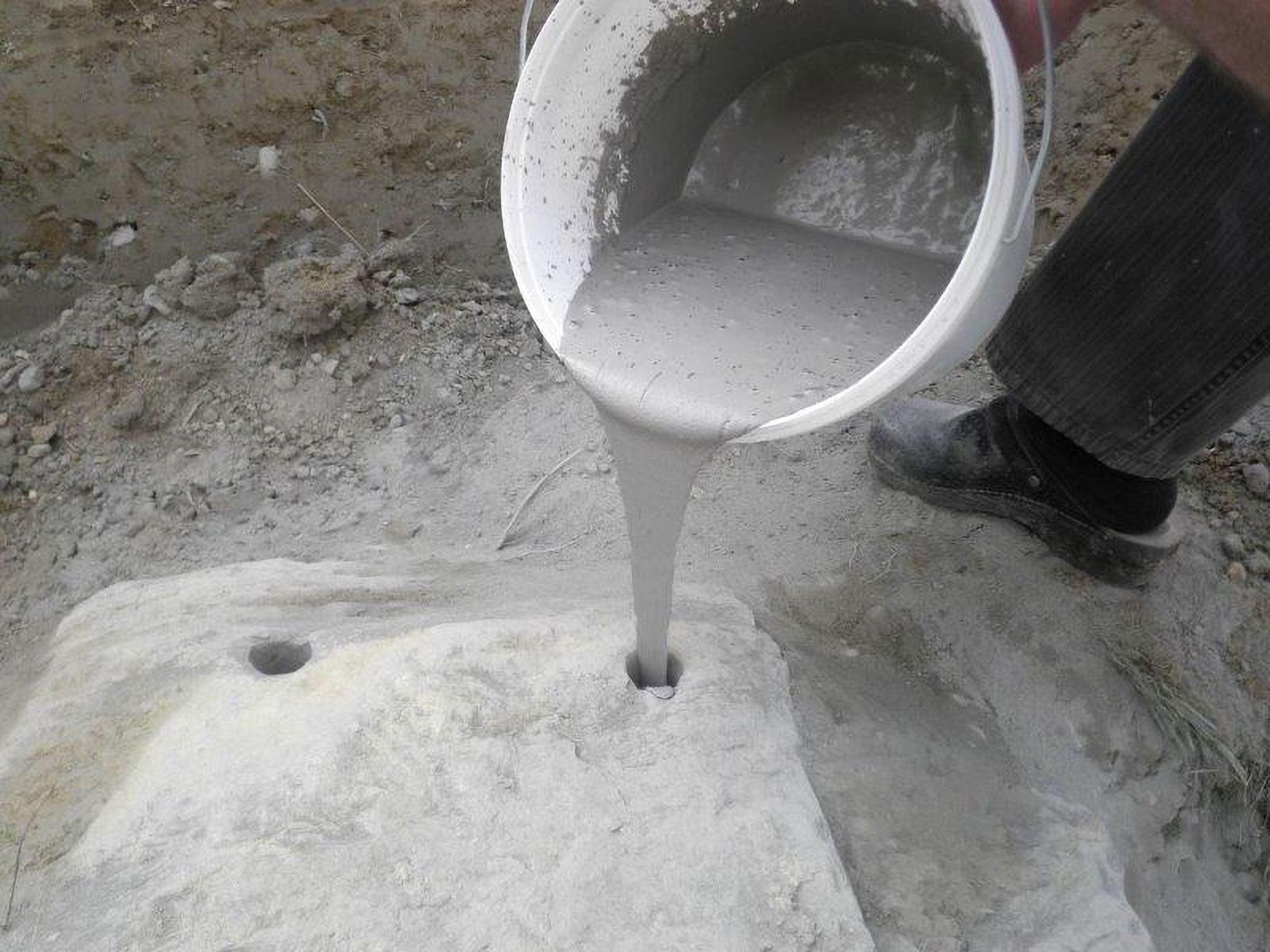
The application process is straightforward: Drill, Mix, Fill, Wait.
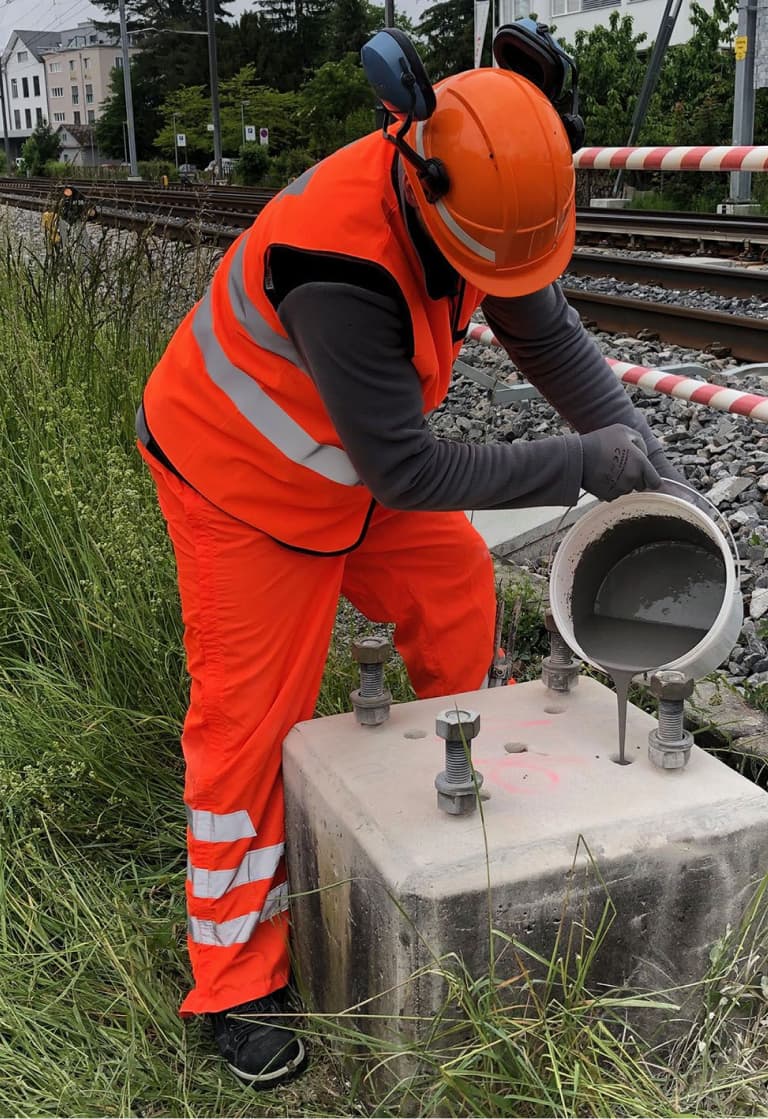
Drill holes into the foundation concrete, mix BETONAMIT® with water as directed, fill the drilled holes and allow time for the material to crack.
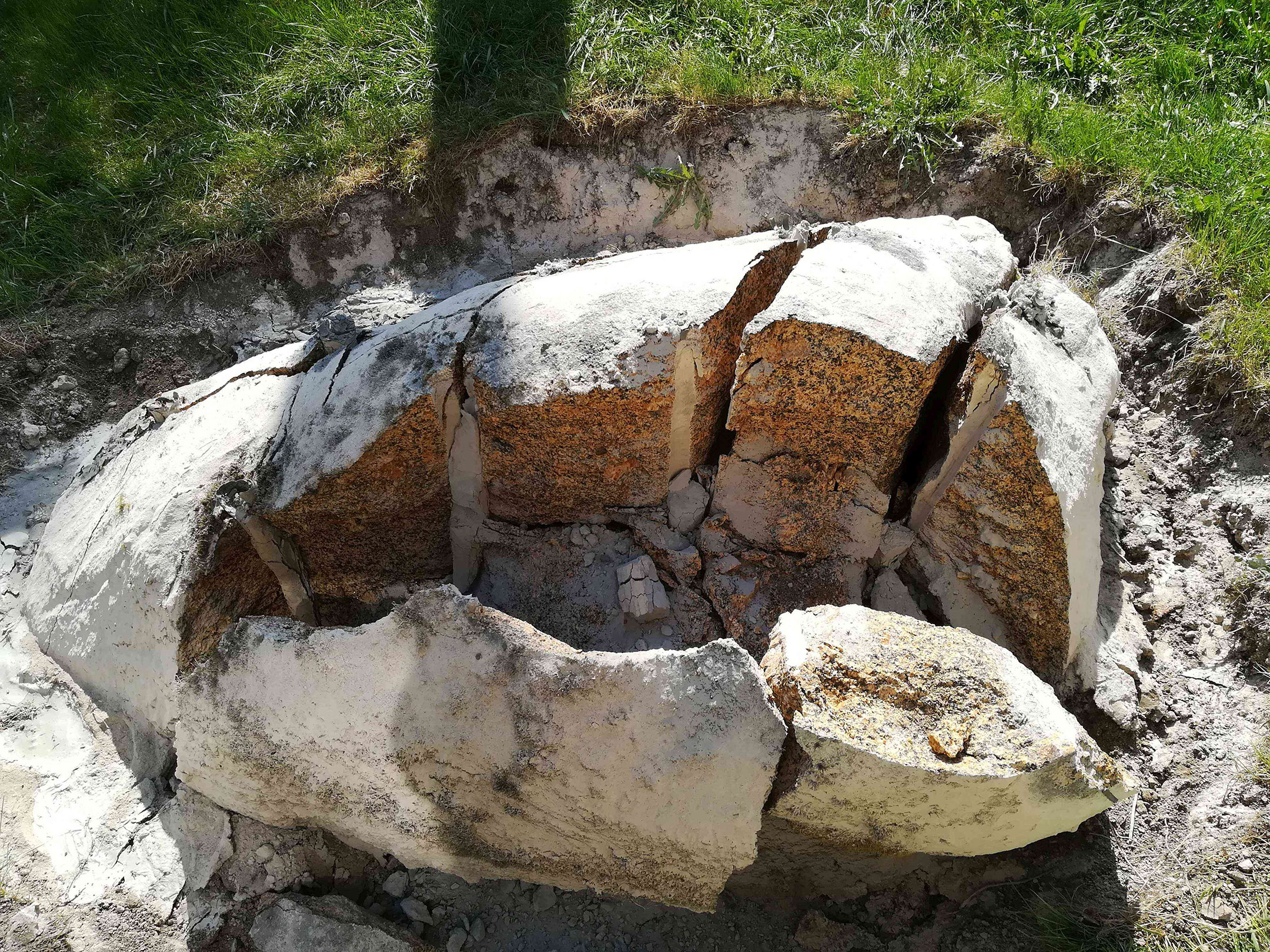
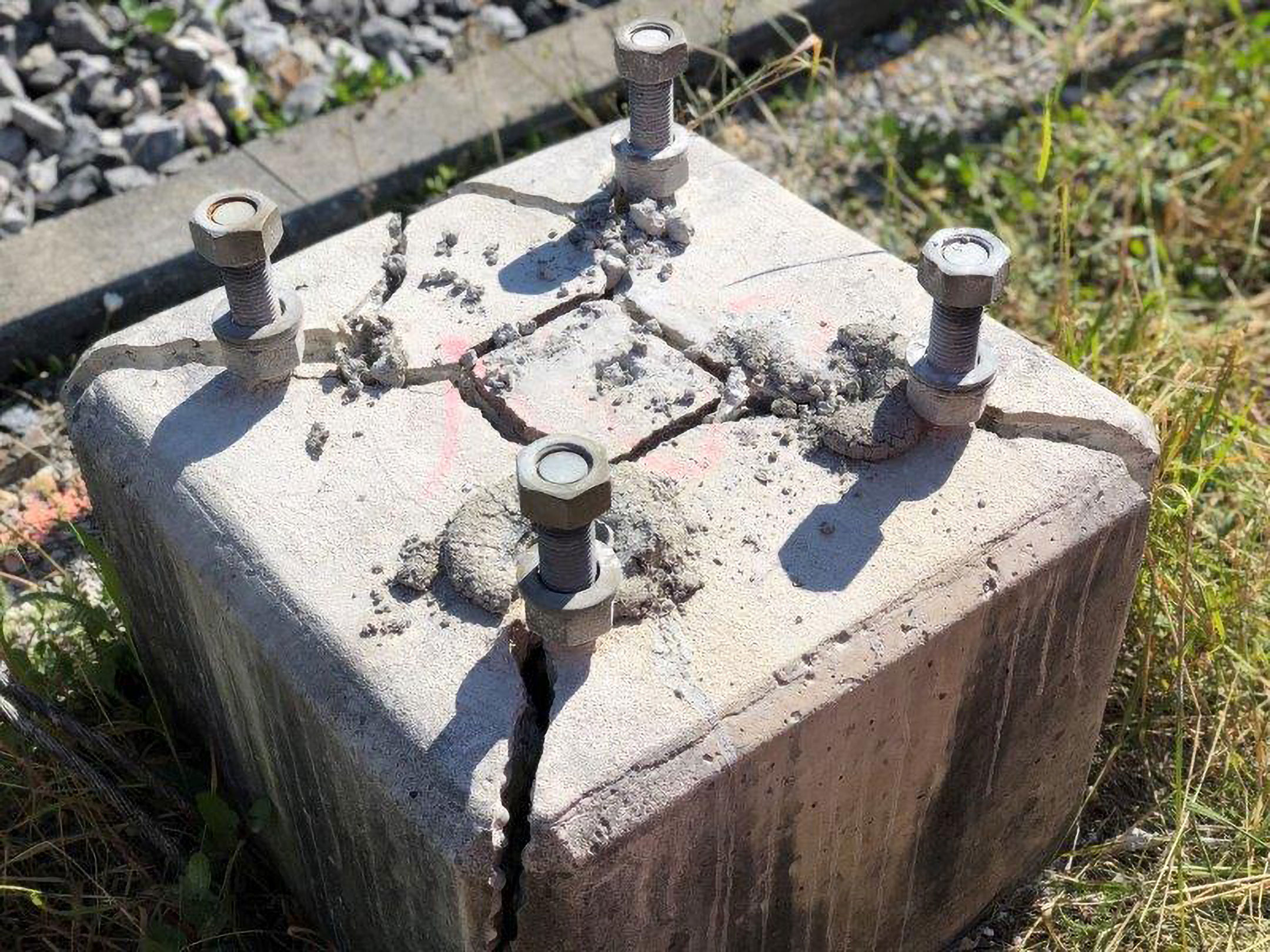
Rather than applying repeated impact force, BETONAMIT® expands gradually within the drilled holes. This is useful where reducing impact-related vibration is a priority around nearby footings, walls or restricted work areas.
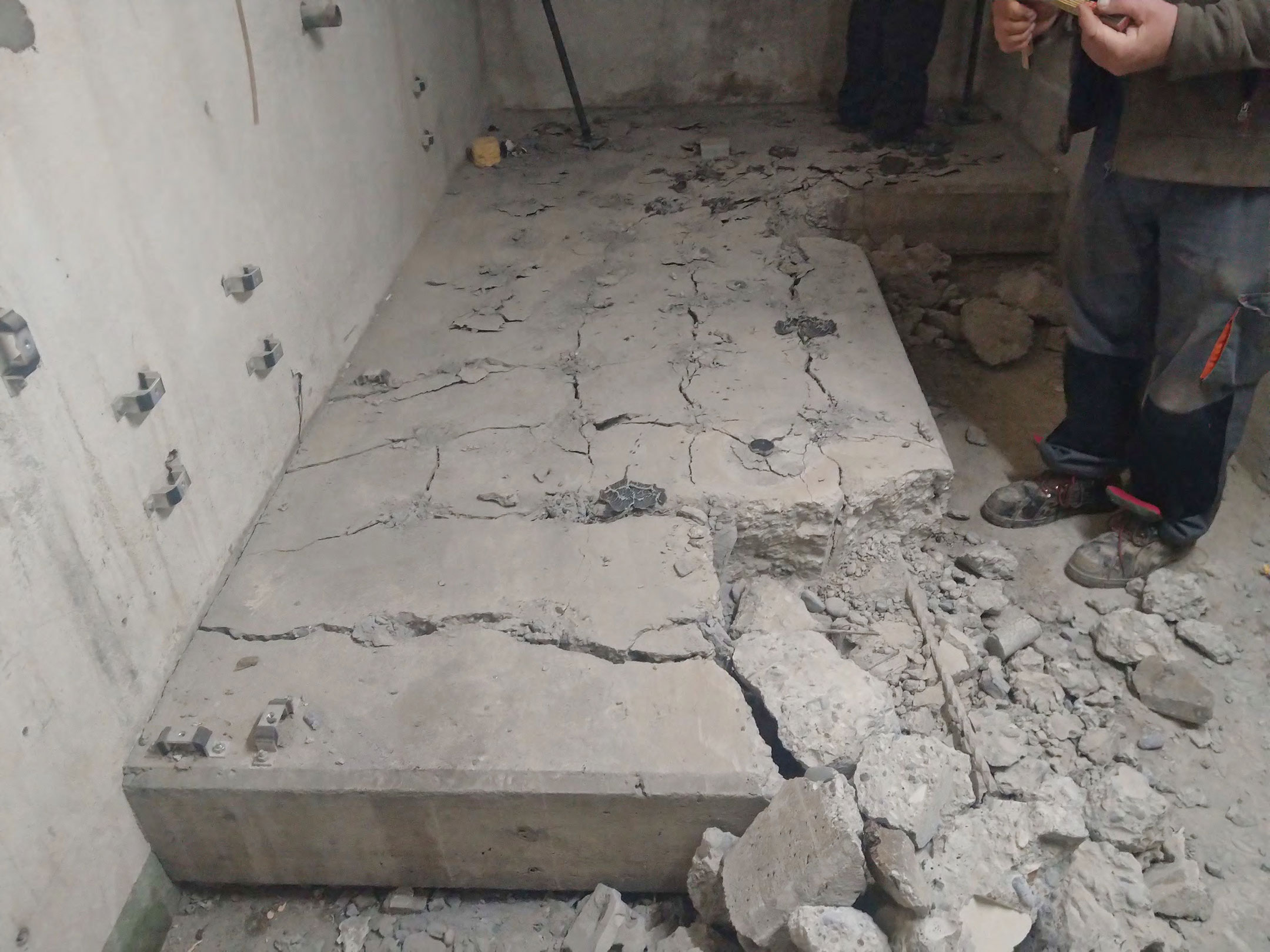
The controlled process can help divide foundation concrete into more manageable sections before removal. It may also suit sites where access for a larger breaker or excavator is limited.
However, it is not a substitute for a structural assessment. The approach must account for the material condition, reinforcement, borehole pattern, intended break line and confirmed location of nearby services. Cracked sections still need to be removed under a suitable site plan.
Explore non explosive concrete demolition where a controlled method for breaking foundation concrete suits the project.
Example: Removing an old foundation for an extension dig
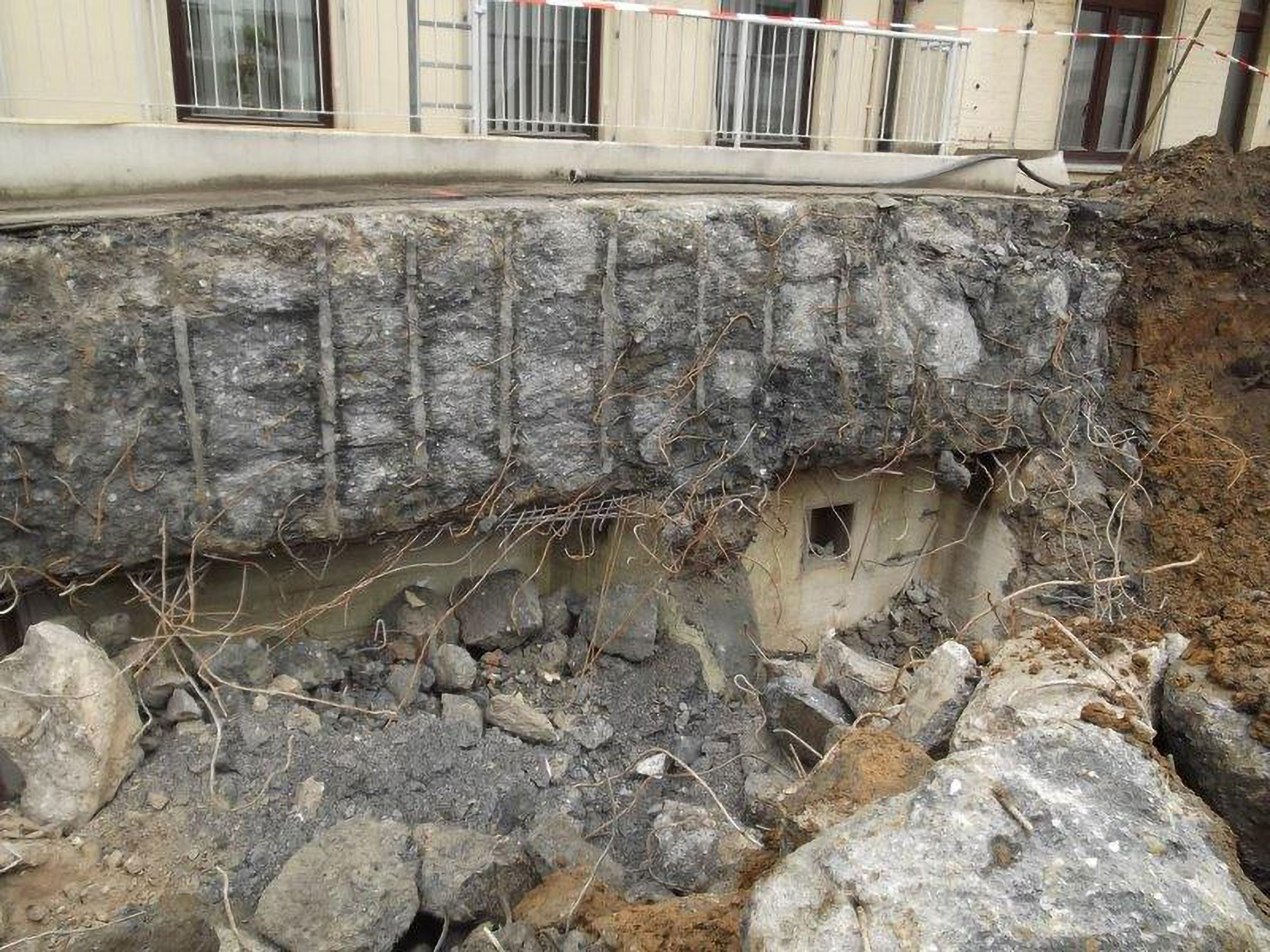
An old foundation may need to be removed before excavation for a new extension. The challenge is often that the concrete sits close to the existing house, leaving little space for large machinery or prolonged breaker work.
The first step is to establish what needs to remain undisturbed. This can include the existing wall, drainage runs, utility routes and adjoining footings. Where the foundation is close to the house, the project design should confirm the intended removal and excavation sequence.
If BETONAMIT® is appropriate for the material and conditions, a planned borehole pattern can support controlled cracking into smaller sections. This can make the concrete easier to handle in a confined excavation area without relying on repeated impact directly beside the building.
The method should be selected around the full job, not simply the break-out stage. Consider how drilling equipment, broken concrete and rubble will move through the site without obstructing access or affecting the next stage of groundwork.
Monitoring nearby structures during the work
Foundation removal near a building benefits from clear controls before work starts. Record the visible condition of nearby walls, finishes and retained structures where appropriate. This gives the project team a reference point as the work progresses.
Monitoring requirements should reflect the complexity of the site. On structural work, an engineer or other competent professional may specify what needs to be monitored and how concerns should be reported.
Review the work through the agreed site process if there are signs of new cracking, movement or other unexpected changes. Do not continue on the assumption that they are unrelated to the foundation removal.
It is also important to control the removal stage. Broken concrete and rubble should not block the work area, overload a confined space or interfere with the planned excavation sequence.
Plan for:
- Drilling access
- Exclusion areas
- Safe rubble removal routes
- Space for skips or collection
- Nearby services and drainage
- The order of breaking and removal
Choosing the right method near existing buildings
Foundation removal without vibration is about reducing unnecessary impact where nearby structures are sensitive. Mechanical breaking may be right for some jobs, especially where there is open access and clear separation from retained structures.
BETONAMIT® is worth considering where controlled expansion provides a more manageable method for removing foundations near a building. It can help break concrete through gradual expansion rather than repeated impact force.
Follow the approved BETONAMIT® instructions and relevant site controls. For structural work, underpinning projects or complex ground conditions, seek competent professional advice before work begins.
To discuss whether BETONAMIT® may suit your foundation removal project, contact us.