The idea of cracking concrete without a breaker sounds unlikely at first. Most contractors are used to impact tools. Jackhammers and hydraulic peckers have been standard kit for years. So when people hear the term chemical concrete breaker, the first reaction is usually scepticism.
Can they really break thick concrete?
Are they just for light DIY jobs?
Do they stand up to reinforced slabs?
Used correctly, chemical systems are not a gimmick. They are a practical method of non explosive concrete demolition used across construction, groundwork and landscaping.
What Are Chemical Concrete Breakers?
Chemical concrete breakers are expansive mortar that is designed to fracture concrete and rock without impact.
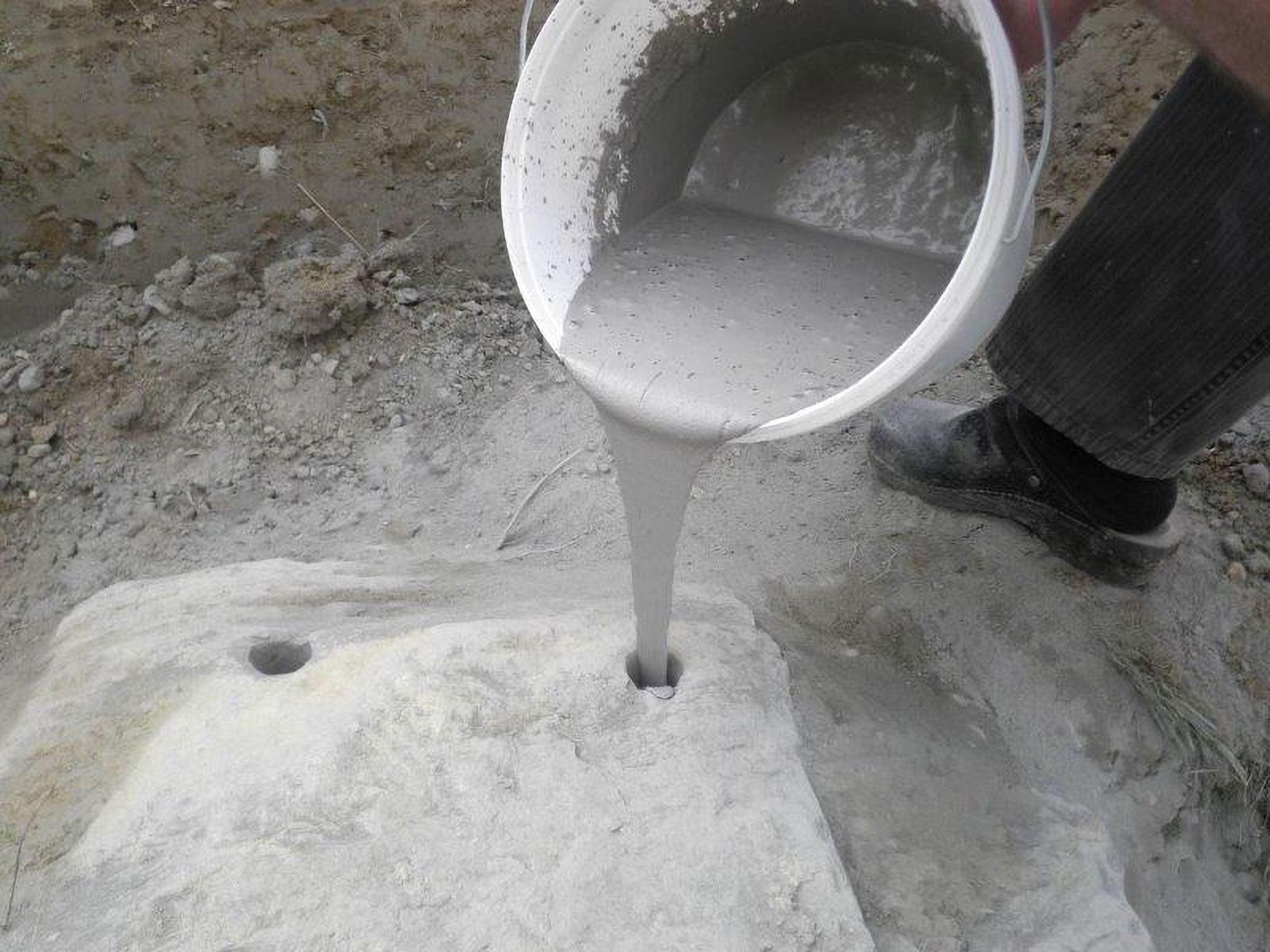
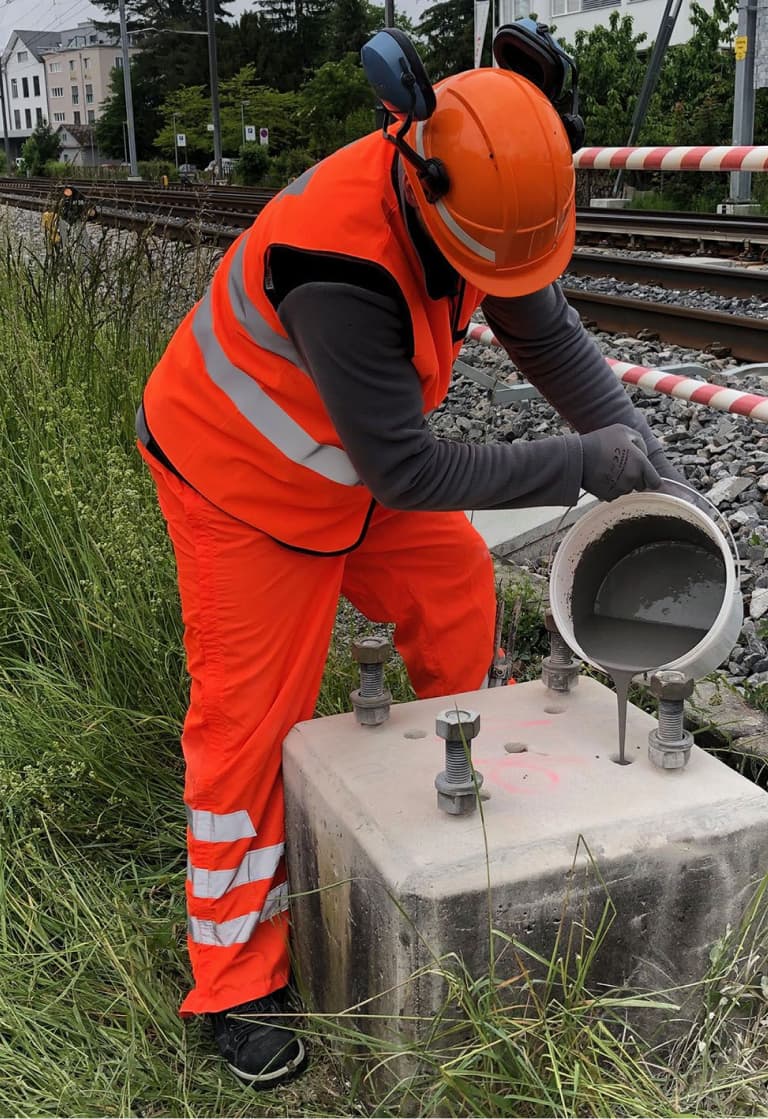
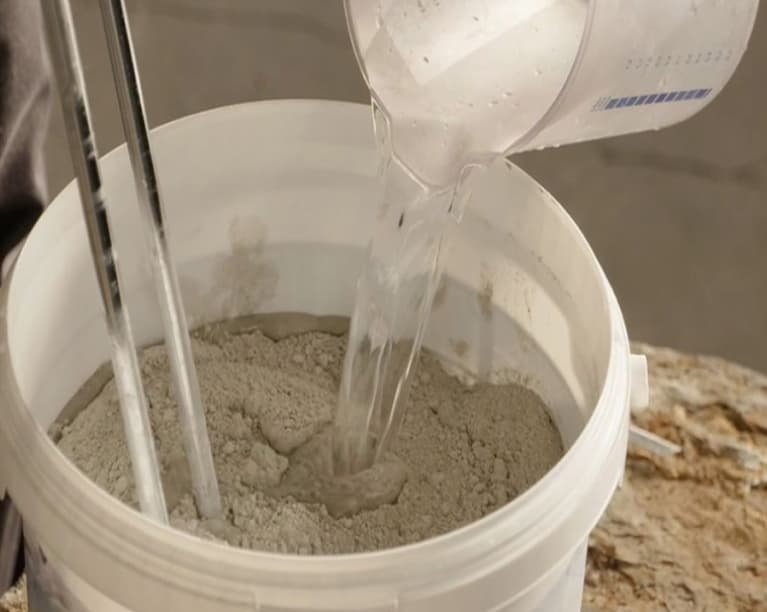
They are supplied as a dry powder. When mixed with water and poured into drilled holes, they expand as they cure. That expansion generates high internal pressure, which causes the surrounding concrete to crack.
There is no detonation. No shockwave. No blasting licence required.
Instead of using repeated impact, chemical concrete breaking works through controlled internal expansion.
How Does Chemical Concrete Breaking Actually Work?
The process is straightforward and manageable on a normal job.
It follows a simple sequence: Drill → Mix → Fill → Wait
- Drill a pattern of holes into the concrete or rock.
- Mix the compound with clean water.
- Pour the mix into the holes.
- Allow it to expand and fracture the material.
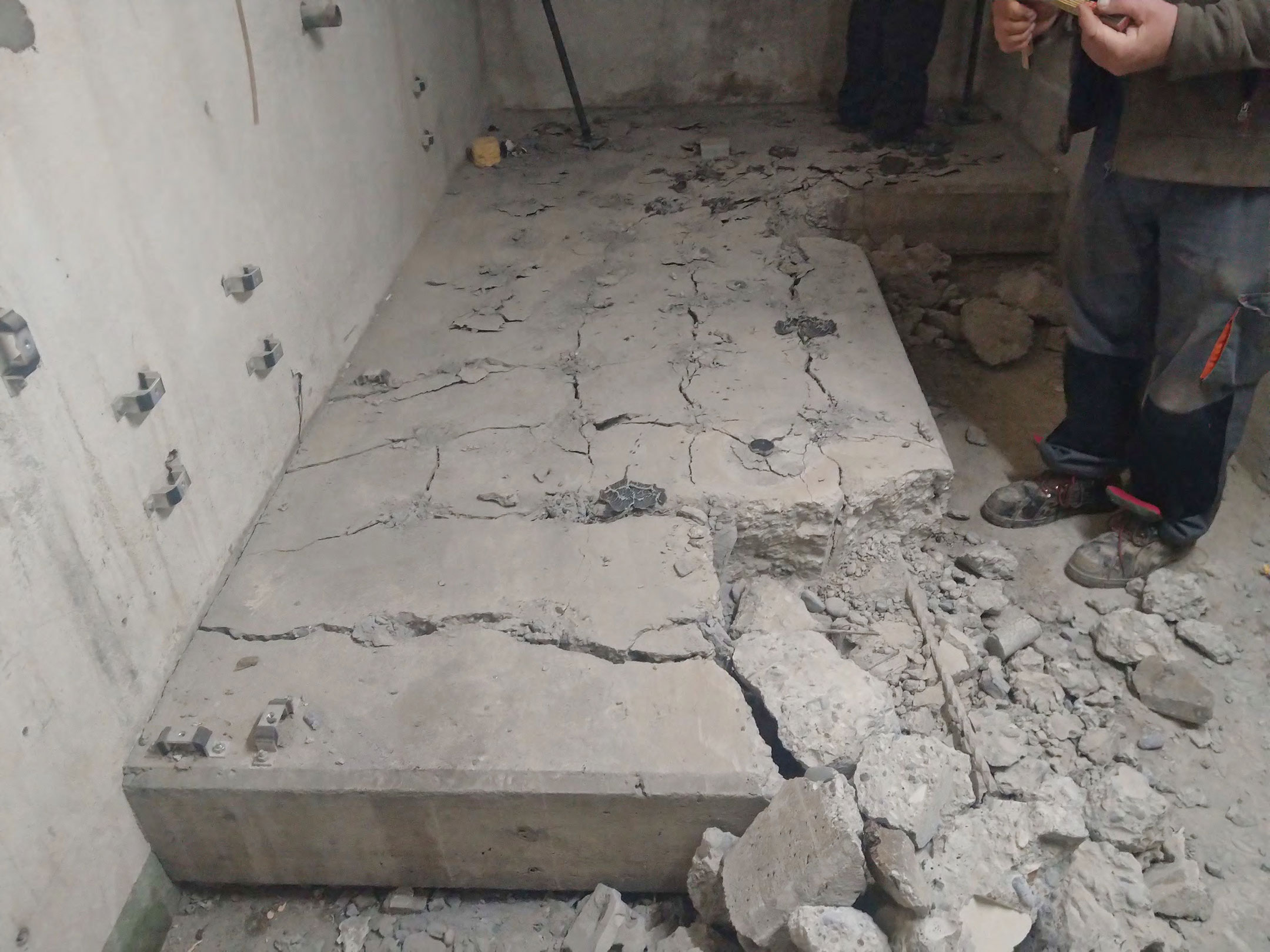
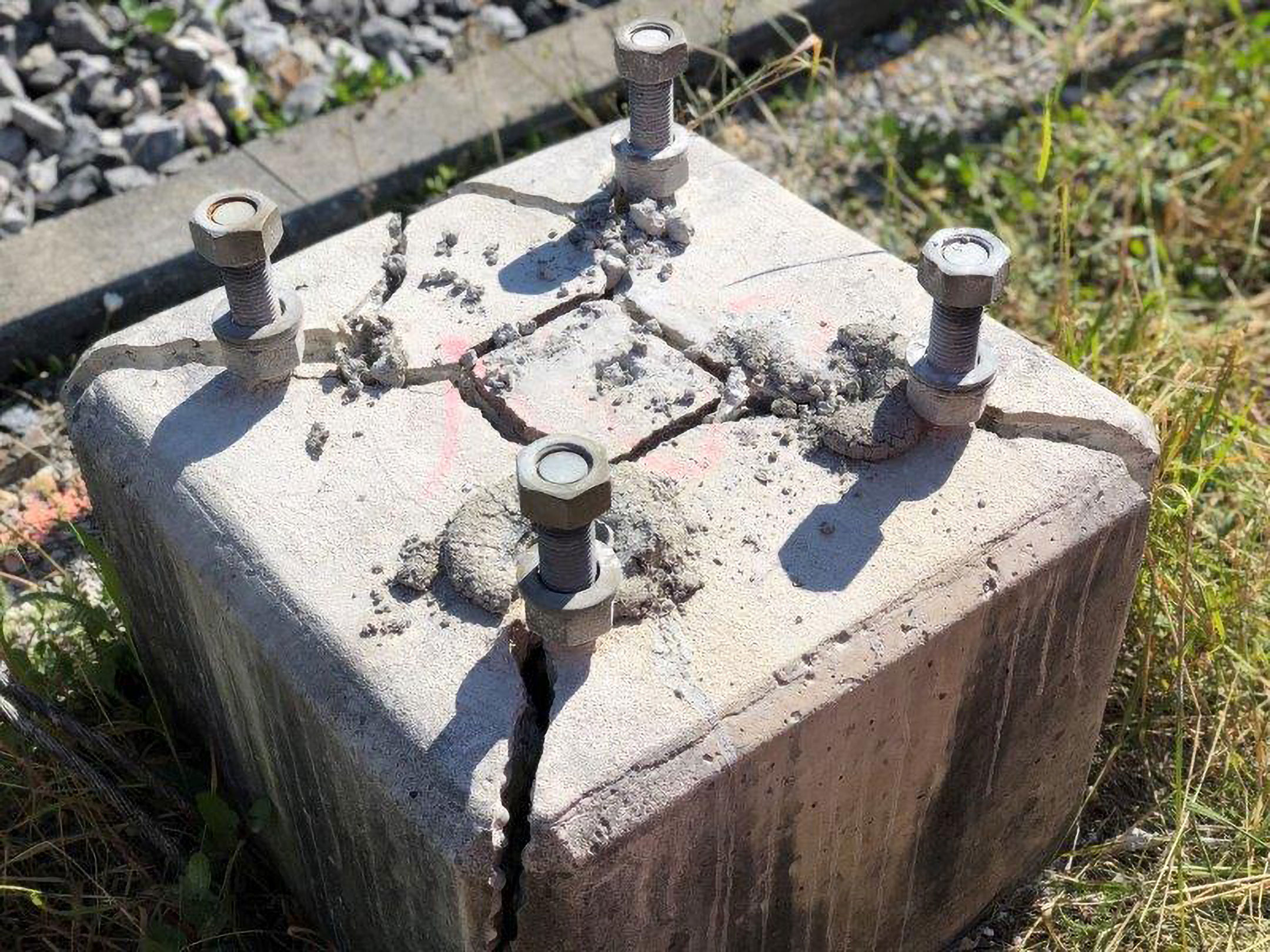
As the compound hydrates, it expands inside the drilled holes. Because concrete has high compressive strength but low tensile strength, the internal pressure forces it to crack along natural stress lines.
Cracking does not happen instantly. It develops gradually over several hours.
That slower action is part of the advantage. There is no sudden shock loading and no vibration transfer into surrounding structures.
Do Chemical Concrete Breakers Really Work on Thick Concrete?
This is the most common question. Yes, they do – provided the setup is correct.
Effectiveness depends on:
- Correct hole diameter
- Proper spacing
- Adequate hole depth
- Accurate mixing
- Suitable temperature conditions
When drilled and filled correctly, expansive grout generates enough pressure to fracture substantial concrete sections.
This method is widely used for:
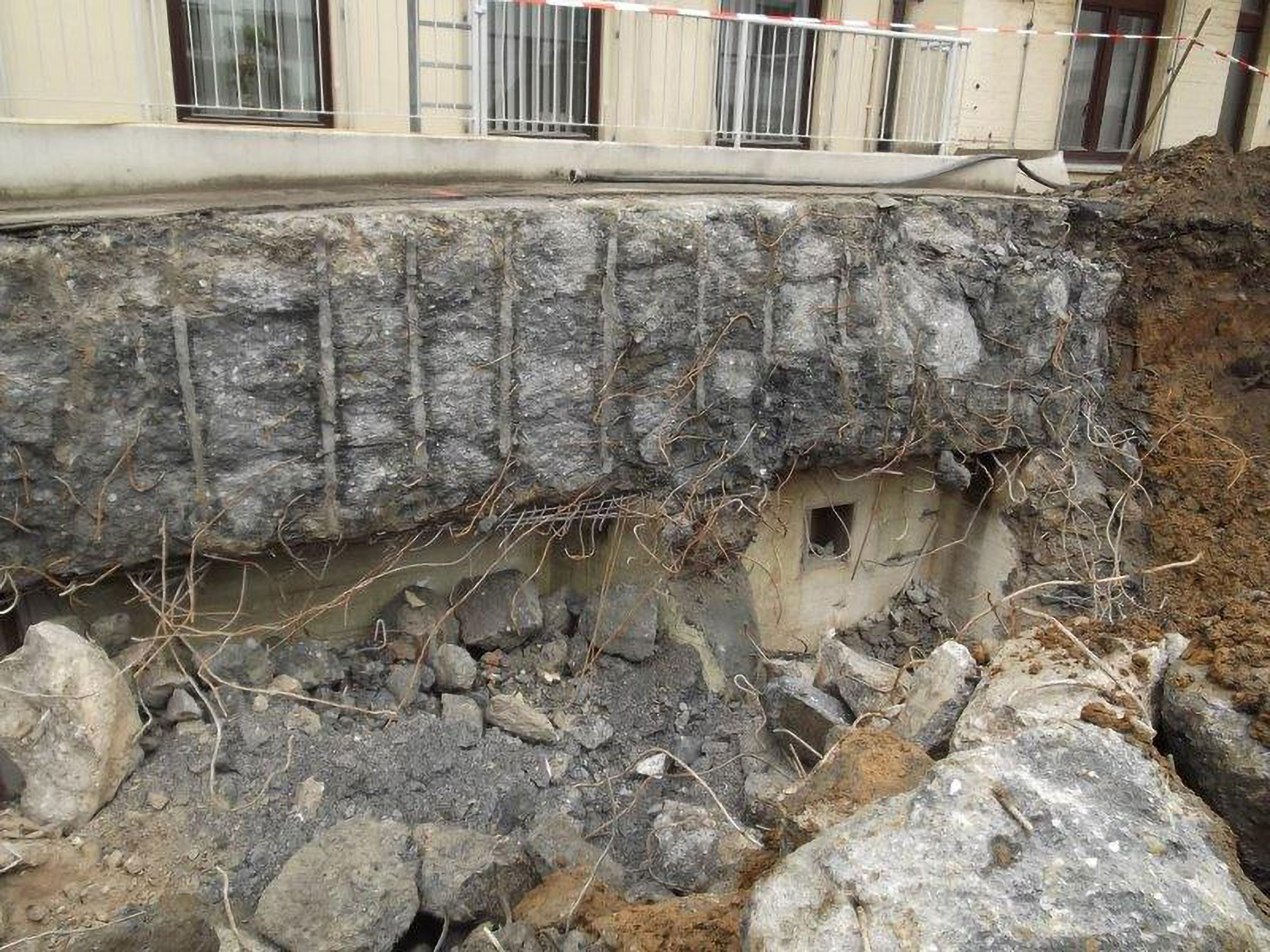
- Foundation removal
- Thick slab reduction
- Boulder breaking
- Non explosive rock breaking
With reinforced concrete, the compound cracks the concrete mass first. Once fractured, reinforcement bars can be cut and removed separately.
For more detail on applications involving slabs and structural concrete, see guidance on non explosive concrete demolition.
Chemical concrete breakers are not limited to light-duty work. They are used professionally where control matters more than impact speed.
Where Chemical Concrete Breaking Makes Sense
Chemical methods are particularly useful in environments where vibration creates risk.
Typical situations include:
- Breaking concrete next to retained structures
- Internal demolition
- Basement works
- Residential areas with close neighbours
- Sites with buried utilities
- Tight access locations where plant cannot reach
Impact tools transfer vibration through the ground and adjoining materials. On sensitive projects, that can lead to cracking or disputes.
Chemical expansion avoids that issue entirely. There is no vibration because there is no impact.
For contractors working in built-up environments, that control is often the deciding factor.
Where Mechanical Breaking May Be Better
To keep it balanced, chemical systems are not the answer to every job.
Mechanical tools may be more suitable when:
- Working on an isolated demolition site
- There are no retained structures nearby
- Speed is critical
- Heavy plant is already on hire
- Noise and vibration are not concerns
Hydraulic breakers remove large volumes quickly in open conditions. Chemical concrete breaking is slower in visible results. It trades speed for control.
Choosing between the two depends on the site, not just the material.
Comparing Chemical vs Mechanical Methods
The difference between impact and expansion methods comes down to how force is applied.
Mechanical Breaking
- Immediate visible results
- High noise
- High vibration
- Operator dependent
- Best suited to open sites
Chemical Concrete Breaking
- Gradual cracking
- Minimal noise
- No vibration
- Predictable expansion
- Requires drilled access only
If you want a more detailed breakdown of how chemical concrete breaking compares to impact tools, read our guide on concrete breaking tools compared: mechanical vs chemical.
Are Chemical Concrete Breakers Safe?
Safety is another area where people hesitate.
Chemical concrete breakers:
- Do not explode
- Do not produce shockwaves
- Do not create flying debris from impact
- Do not require explosive storage
There is no blasting licence or specialist demolition certification required.
Standard PPE is still essential. Mixing must follow instructions and holes must be drilled accurately.
But compared to high-impact breaking, the process is calmer and more controlled.
You are not managing vibration damage or unpredictable cracking. You are allowing the material to fracture under controlled expansion.
Common Misconceptions About Chemical Concrete Breakers
A few myths regularly come up:
“They’re too weak.” In reality, expansive compounds generate significant internal pressure when used correctly. The key is correct drilling and spacing.
“They only work on small jobs.” They are used on foundations, thick slabs and substantial rock sections. They are not limited to garden projects.
“They’re too slow.” They are slower than impact tools in terms of visible breakage. But on vibration-sensitive sites, slower and controlled often prevents larger problems.
“They’re complicated.” The process is simple: drill, mix, fill and allow to expand. No specialist explosive knowledge required.
As with any demolition method, success depends on following correct instructions.
Do Chemical Concrete Breakers Really Work?
Chemical concrete breakers are not a gimmick and they are not a replacement for every breaker on every job.
But they are a proven method of non explosive concrete demolition where vibration, noise and structural sensitivity matter.
Instead of relying on repeated impact, they use controlled internal expansion to fracture concrete and rock. No shockwaves. No blasting permits. No vibration transfer.
For contractors working near retained structures, in residential areas or inside existing buildings, that difference can significantly reduce risk.
Drill the holes accurately.
Mix correctly.
Fill and allow the expansion to do the work.
When applied properly, chemical concrete breaking is a practical and controlled alternative to traditional impact methods.
Ready to try chemical concrete breaking on your next job? Shop BETONAMIT® today and see how controlled expansion can simplify your demolition work.