You’re digging footings, installing fence posts or reshaping a garden and the bucket suddenly stops dead. Underneath the soil sits solid rock.
On open sites, you might bring in a larger machine. But in many real-world jobs, access is tight and surfaces may already be finished. That’s where boulder removal without explosives becomes the practical method.
When you can’t get a digger in and blasting is not an option, you need a method that works in place, keeps disruption down and doesn’t require specialist licensing.
Why Heavy Equipment Isn’t Always an Option
Heavy machinery can be effective, but it isn’t always practical.
Common restrictions include:
- Narrow side access
- Soft or landscaped ground
- Internal courtyards
- Finished driveways and patios
- Overhead obstructions
- Underground services
Even if you can physically get a machine near the rock, you risk damaging surrounding areas. Lawns get churned up. Block paving shifts. Drainage runs crack.
There’s also cost to consider. Machine hire, delivery and operator time can quickly outweigh the value of a small landscaping or footing job.
On domestic and restricted sites, brute force often creates more problems than it solves.
The Challenges of Removing a Boulder
Removing a boulder is rarely as simple as lifting it out.
Most large rocks:
- Are heavier than they look
- Sit partially buried
- Interlock with surrounding ground
- Have irregular shapes
- Bind into trench walls
Trying to lever or drag them out can destabilise excavations or damage nearby structures.
In many cases, breaking the boulder in situ is safer than trying to lift it whole. That shift in thinking makes boulder removal more controlled and manageable.
Traditional Boulder Removal Methods
The standard approaches usually involve excavator lifting, hydraulic breakers, drilling and blasting.
Excavator lifting depends entirely on access and lifting capacity. Hydraulic breakers introduce heavy vibration and noise.
Blasting is rarely realistic for small jobs. It requires licensing, specialist handling and strict safety zones. For domestic landscaping or local groundwork, it simply isn’t viable.
That’s why more contractors look for practical alternatives to blasting and impact tools.
Boulder Removal Without Explosives: A Controlled Alternative
A proven alternative is using a non explosive demolition agent.
Instead of lifting or hammering the rock apart, you split it from the inside using controlled expansion.
The method is straightforward:
- Drill a pattern of holes into the boulder
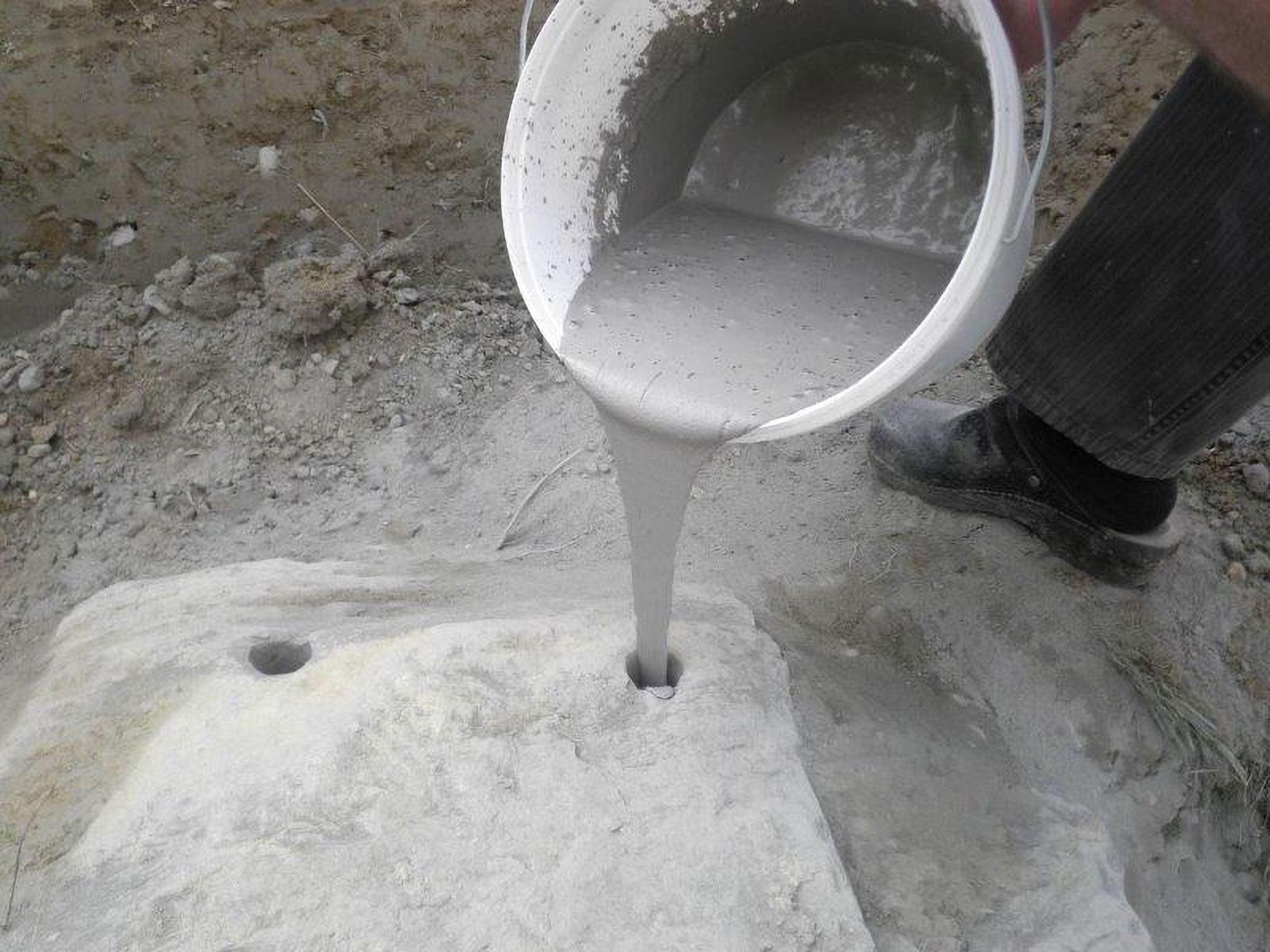
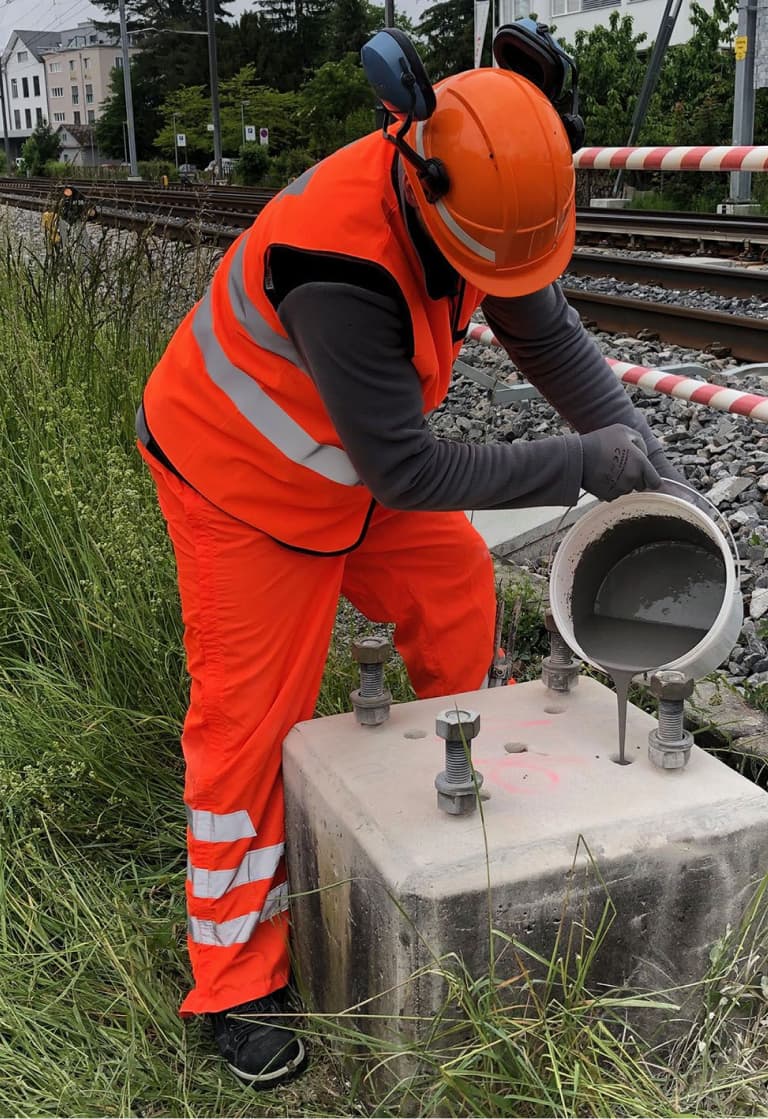
- Mix the compound with clean water
- Pour it into the holes
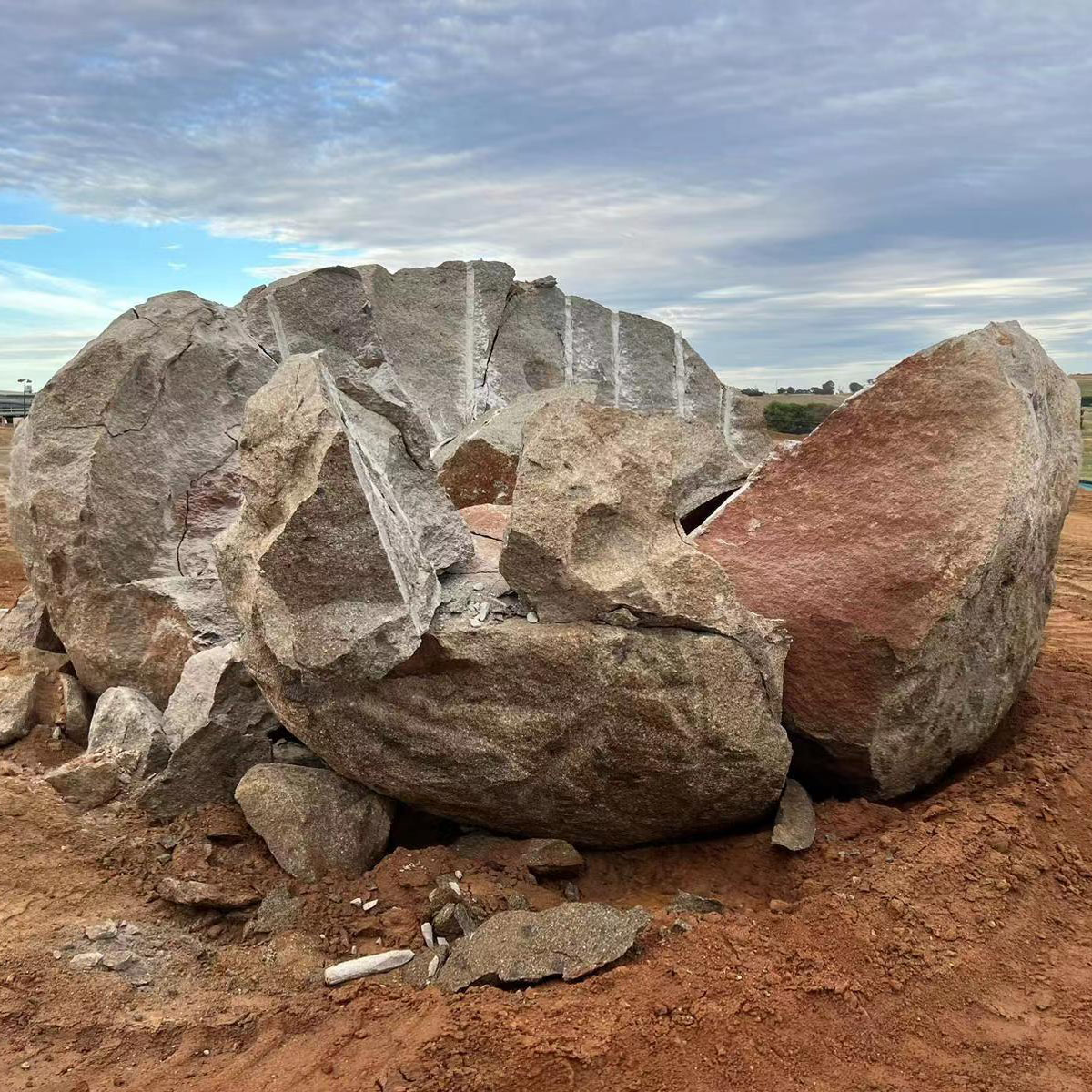
- Allow it to expand and crack the rock
There is:
- No detonation
- No shockwave
- No vibration transfer
- No blasting licence required
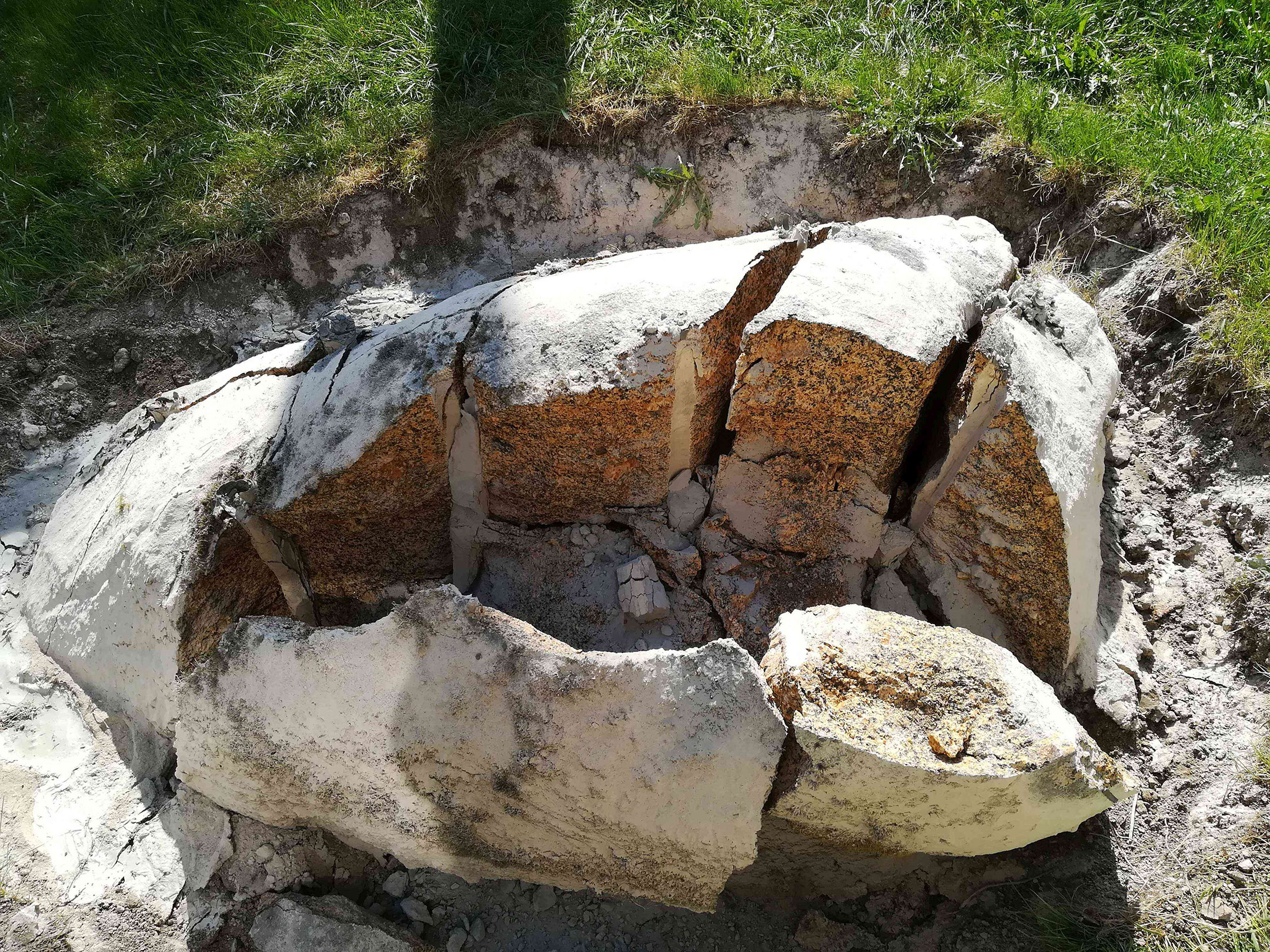
The rock fractures along natural stress lines, breaking into manageable sections that can be removed with basic tools or light machinery.
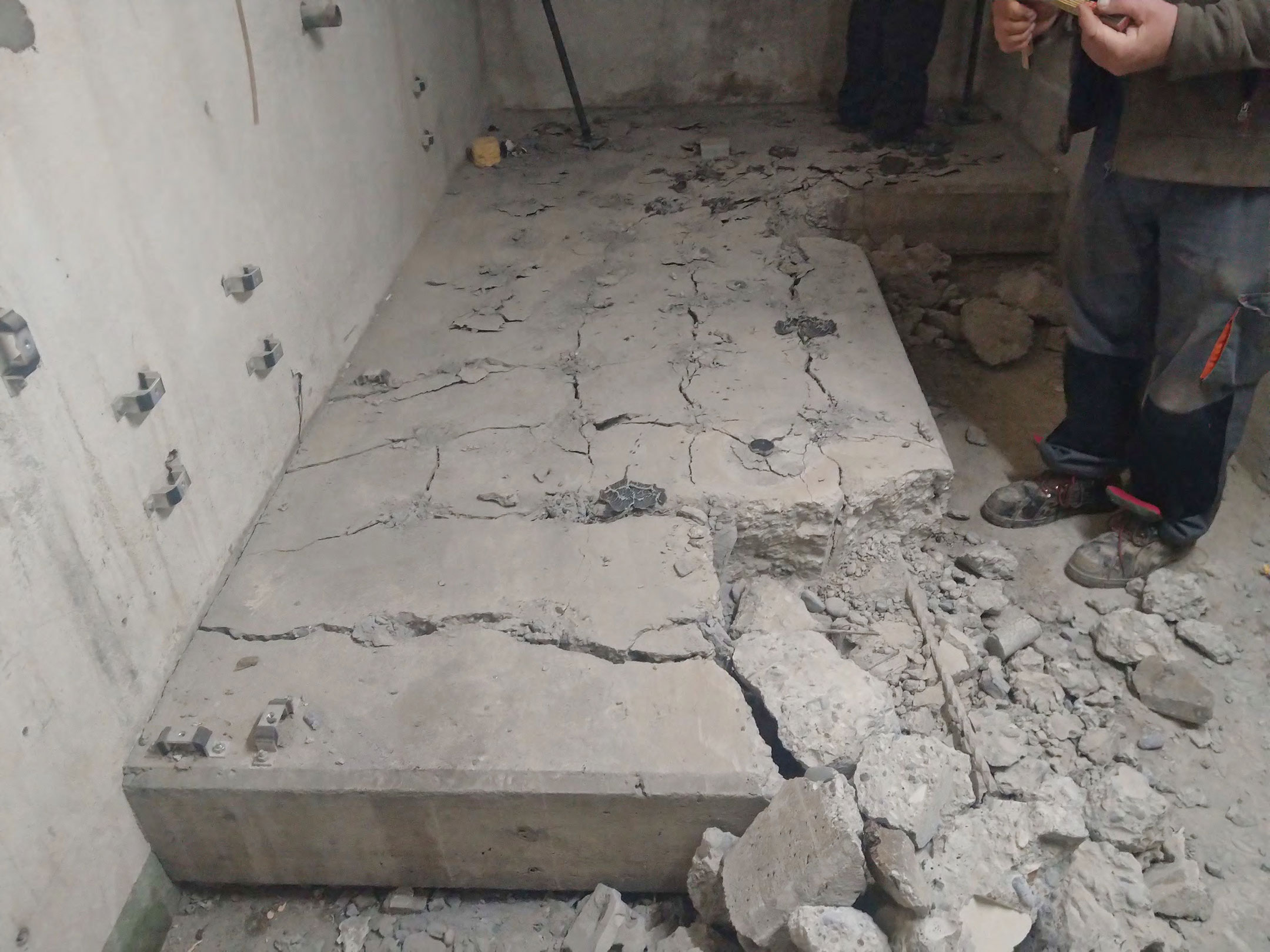
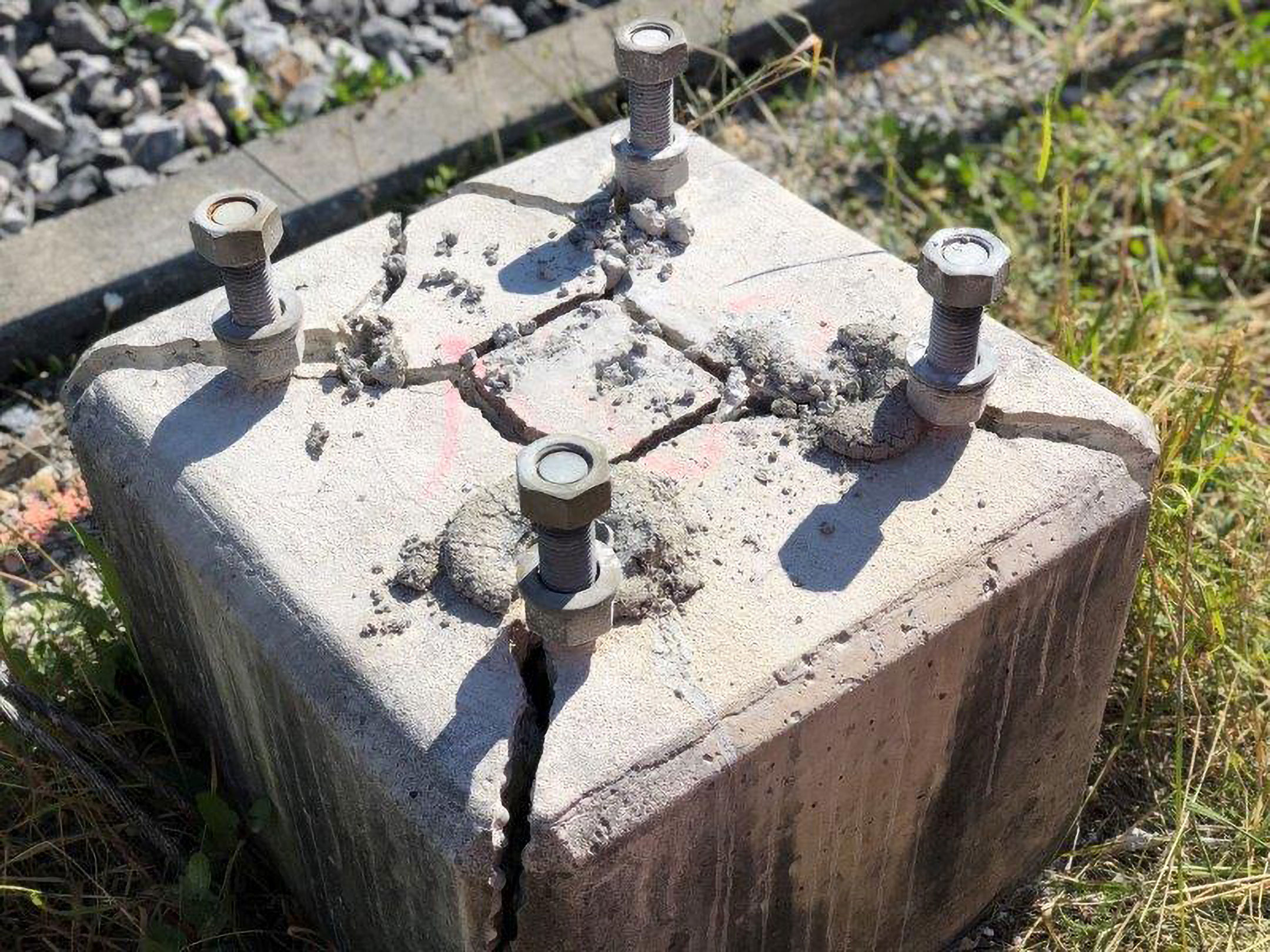
This approach is widely used in non explosive rock breaking and even in applications that would traditionally rely on chemical concrete breaking.
How Expansive Mortar and Grout Split Rock
Products described as expansive mortar or expansive grout are cement-based compounds designed to expand as they cure.
Once mixed and poured into drilled holes, they generate high internal pressure over several hours. Because rock is strong in compression but weaker in tension, this pressure causes it to crack.
The key difference compared to impact breaking is control. You are not applying repeated force from the outside. You are allowing expansion to do the work internally.
That makes it particularly suited to restricted or sensitive sites.
Step-by-Step: Breaking a Boulder Without Heavy Machinery
On site, the process follows a clear sequence: Drill → Mix → Fill → Wait
- Assess stability and ensure the surrounding ground is secure.
- Drill vertical or angled holes into the boulder at appropriate spacing.
- Clean out dust from the holes.
- Mix the compound to the correct consistency using clean water.
- Fill the holes fully.
- Allow time for expansion and cracking.
- Remove fractured sections manually or with light equipment.
Instead of one solid mass, you’re left with split sections that can be handled safely.
The job becomes controlled dismantling rather than brute extraction.
When Chemical Rock Breaking Makes the Most Sense
Boulder removal without explosives is particularly useful when:
- Landscaping finished gardens
- Installing driveways near existing structures
- Digging fence post holes
- Excavating utility trenches
- Working in remote locations
- Access for plant is limited
Because there is no vibration, there’s less risk of disturbing surrounding soil or structures.
On residential sites, reduced noise also avoids complaints and disruption.
For a deeper look at rock splitting techniques, see our guide on how to break rocks without explosives.
Heavy Plant vs Expansion Methods: A Practical Comparison
When deciding how to approach boulder removal, it helps to compare realistically.
Heavy Plant
- Requires machine access
- Can disturb surrounding ground
- Produces noise and vibration
- Faster in open environments
- Higher hire costs
Expansion Methods
- Require drill access only
- No vibration
- Minimal noise
- Controlled fracture
- No blasting licence
On open sites with full access, heavy machinery may still be suitable. On tight domestic plots or sensitive ground conditions, expansion methods offer more control.
Safety and Practical Considerations
Non-explosive systems are designed to be straightforward, but proper site practice still matters.
Always:
- Wear appropriate PPE
- Drill accurate hole patterns
- Follow mixing guidance
- Keep bystanders clear
There is no explosion and no shockwave. The cracking happens gradually as pressure builds. Compared to impact breaking, there is less risk of flying debris or unpredictable movement.
For contractors and competent DIY users, the process is manageable without specialist demolition certification.
Choosing the Right Method for Boulder Removal
Heavy machinery remains effective where access, budget and space allow. But on many real-world jobs, especially in gardens, tight plots and built-up areas, that option creates more disruption than necessary.
Boulder removal without explosives gives you another way to tackle the problem. By drilling and allowing controlled expansion to split the rock, you avoid vibration, reduce noise and remove the need for blasting permits.
Instead of fighting the boulder with brute force, you break it down methodically. On restricted sites, that control is often what keeps the job safe, compliant and commercially sensible.
When heavy plant isn’t practical, choose controlled expansion. Buy BETONAMIT® online and get the right solution delivered to your site.