Blasting isn’t always an option. If you’re working near houses, roads, services or live structures, explosives can introduce paperwork, risk and disruption that simply aren’t practical. The same applies on smaller jobs where bringing in a blast contractor would be excessive.
Many contractors searching for how to break concrete without explosives are facing the same issue with rock – they need controlled removal without detonation, shock waves or licensing complications.
Why Avoid Explosives in the First Place?
Explosives are effective, but they come with conditions:
- Licensed operators
- Controlled storage
- Exclusion zones
- Advance notifications
- Strict safety procedures
On tight-access sites or residential projects, that level of setup can delay progress and increase cost. Even where blasting is technically permitted, it may not be commercially sensible.
The alternative is to create controlled internal stress inside the rock rather than relying on a sudden release of energy.
Breaking Rock Using Expansion Pressure
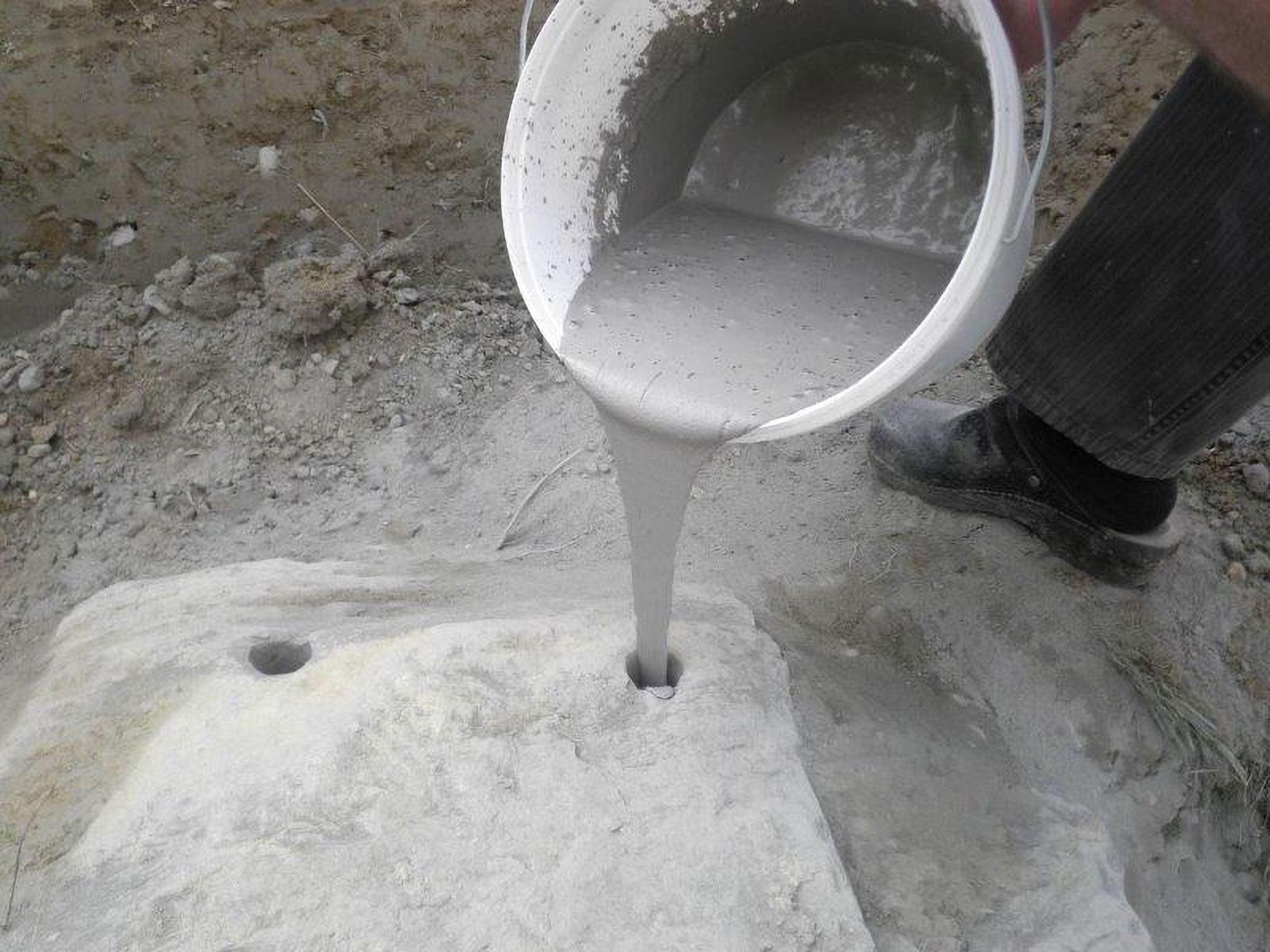
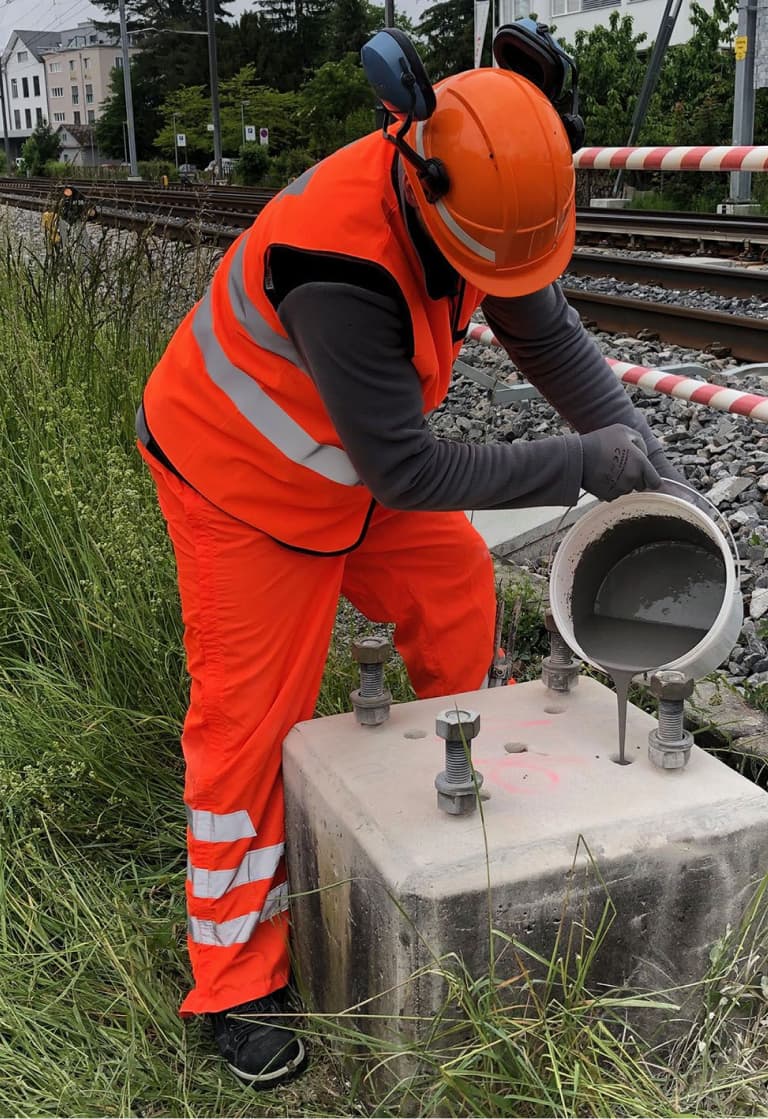
Instead of inserting a charge, a non explosive demolition compound is placed into pre-drilled holes.
Once the expansive mortar is mixed with water and poured into the boreholes, the material expands as it cures. Because the hole confines it, outward pressure builds against the rock.
Rock is strong under compression.
It is weaker when pulled apart from within.
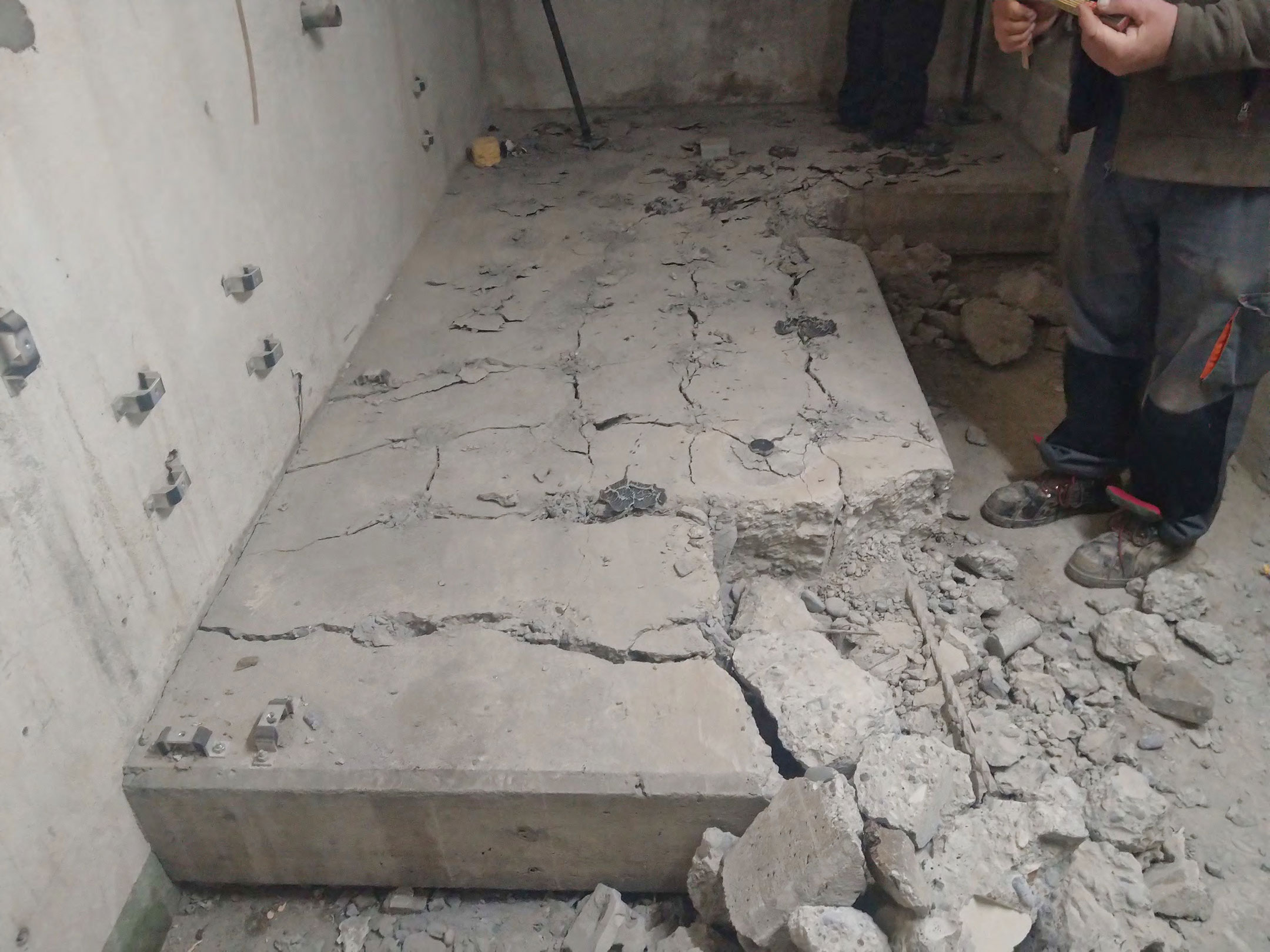
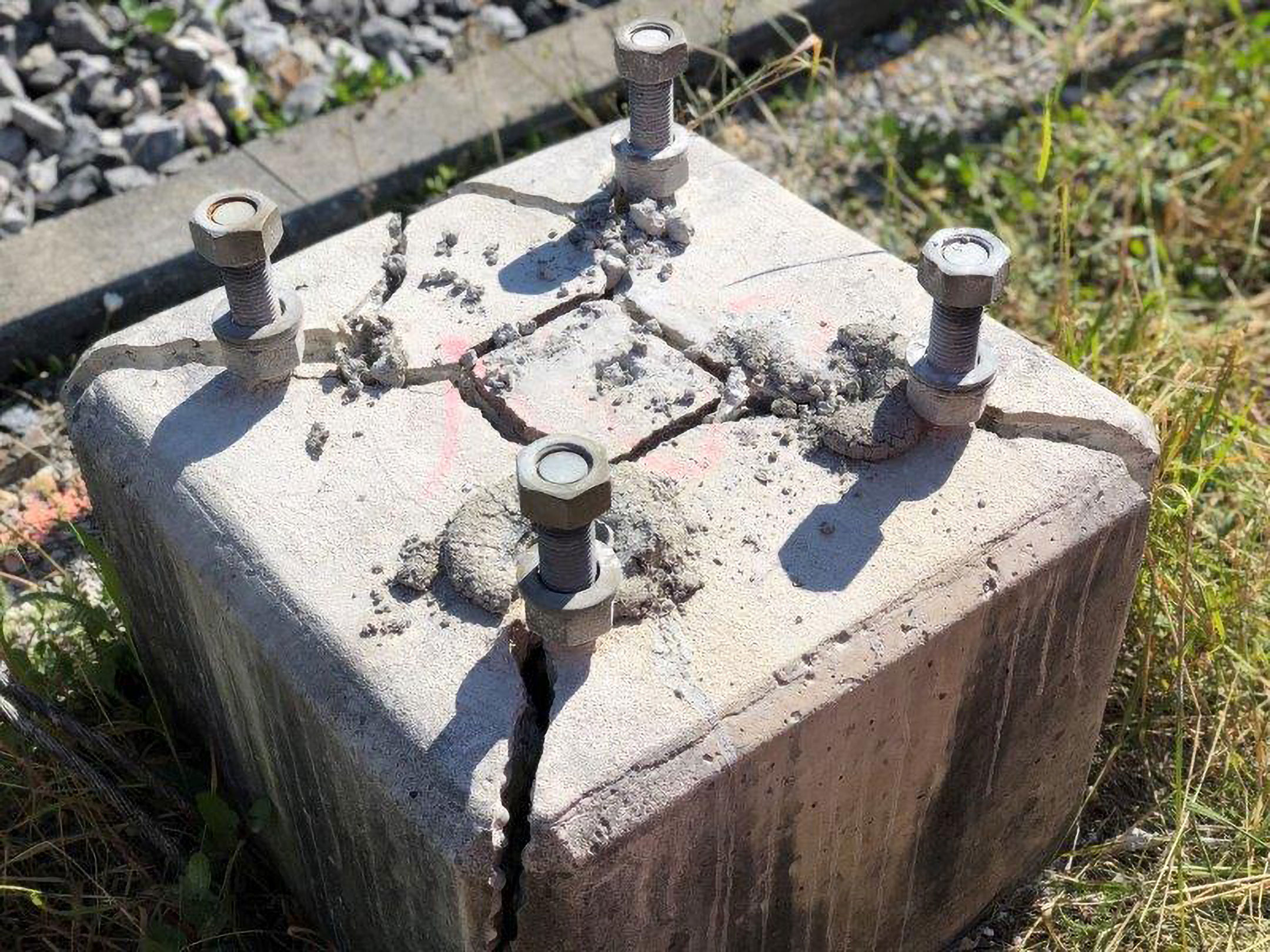
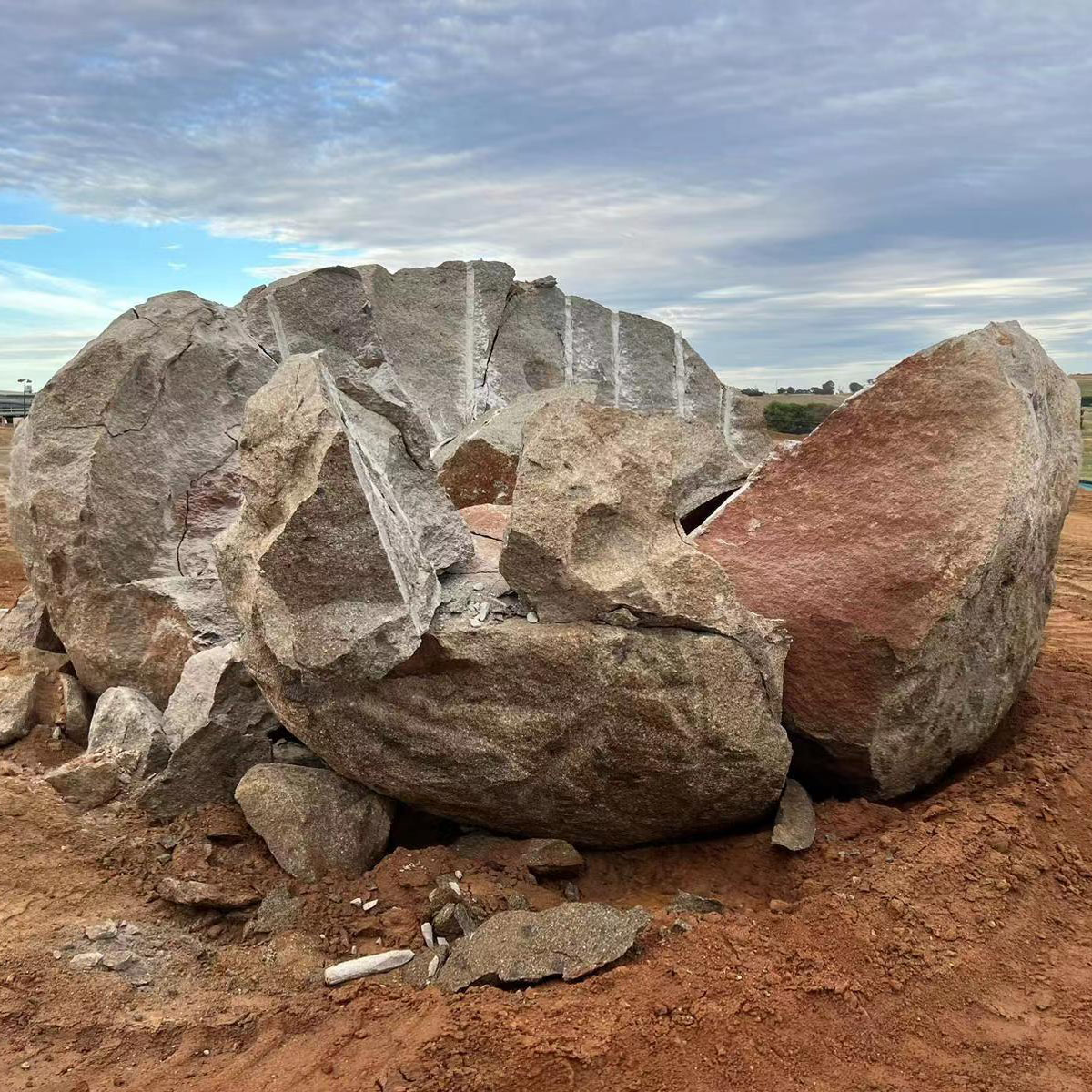
The gradual increase in internal pressure forces cracks to develop between the drilled holes. The rock splits along the planned line – without detonation and without shock loading the surrounding ground.
There’s no blast event.
No vibration spike.
No flying rock.
Where This Method Is Most Useful
Breaking rocks without explosives is particularly suited to:
- Residential developments
- Garden and landscaping projects
- Trench excavation
- Basement construction
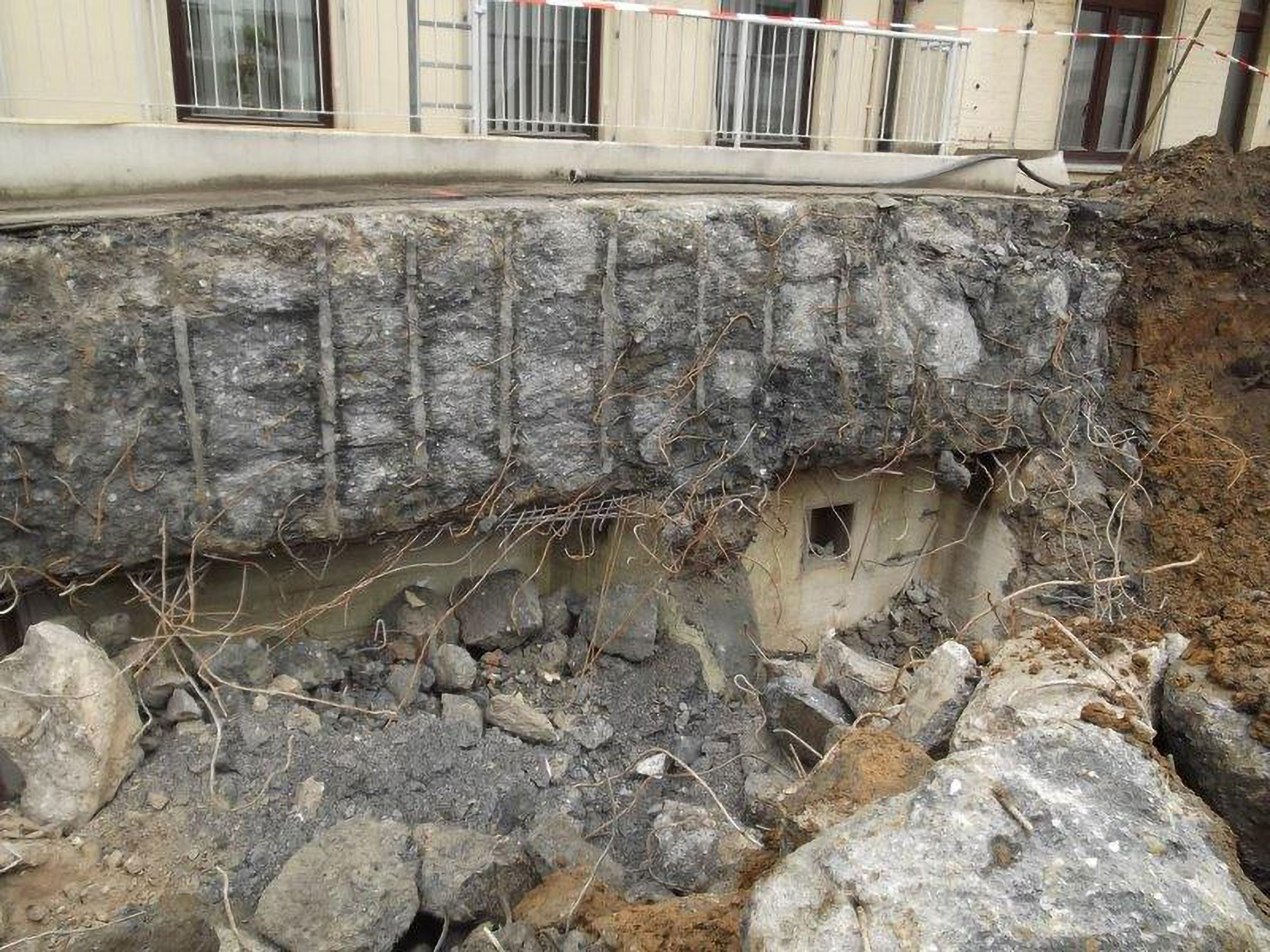
- Working close to neighbouring properties
- Sites with restricted access for heavy plant
It’s also useful where rock needs to be reduced in size before removal, rather than completely shattered. Control is the key advantage.
The On-Site Process
The effectiveness of the method depends on drilling accuracy and correct preparation.
1. Establish the Drill Pattern
Boreholes are drilled into the rock at consistent spacing and depth. The spacing determines how the crack will travel.
You’re effectively mapping out the fracture line in advance.
2. Prepare the Expanding Compound
The demolition compound is supplied as a dry powder.
It is mixed with clean water to create a workable consistency suitable for pouring into vertical holes. Proper mixing ensures even expansion.
3. Fill the Boreholes
The mixture is poured into the drilled holes until full.
There are:
- No detonators
- No ignition systems
- No explosive materials involved
Once filled, the area can be left undisturbed.
4. Allow Controlled Fracturing
As expansion begins, pressure increases steadily inside the rock.
Cracks form along the drilled line.
The rock separates into manageable sections.
The split is guided by your drilling layout rather than random impact force.
What About Hard Rock Like Granite?
Dense rock types such as granite, limestone and sandstone can all be treated in the same way.
Harder materials may require closer hole spacing, but the principle remains unchanged – expansion pressure forces the rock apart internally.
Because the pressure builds gradually, surrounding ground and structures are not subjected to shock waves.
Why This Approach Is Different From Mechanical Breaking
Hydraulic breakers and percussive tools rely on repeated impact. That means:
- Continuous noise
- Vibration travelling through the ground
- Operator fatigue
- Reduced control over the fracture line
Expansion-based splitting works without repeated impact.
Once the holes are filled, the breaking process happens quietly. Labour is focused on drilling and removal, not hours of hammering.
Is Specialist Certification Required?
No. BETONAMIT® is not classified as an explosive – meaning no blasting licence or explosive storage is required.
This is suitable for:
- Builders
- Groundworkers
- Demolition contractors
- Landscapers
- Civil engineering teams
The core sequence remains straightforward: Drill → Mix → Fill → Wait
The pressure does the work.
When Breaking Rock Without Explosives Makes Sense
This method can help reduce:
- Delays linked to explosive approvals
- Risk associated with blast operations
- Excessive site disruption
- Transport and storage complications
- Uncontrolled fracturing
On projects where precision, safety and control matter, using expansion pressure instead of detonation is often the more practical choice.
Planning a Rock Breaking Project?
If you’re assessing how to break concrete without explosives, the same expansion method can be applied to rock.
To determine suitability, consider:
- Rock type
- Depth and volume
- Hole diameter and spacing
- Proximity to structures or services
With correct drilling and preparation, rock can be fractured predictably using an expansive grout; without explosives and without heavy impact equipment.
If blasting isn’t practical on your site, shop BETONAMIT® and break rock safely without explosives or heavy impact equipment.