If you need to break rock or concrete on site, explosives are rarely practical. For most contractors they’re not even an option.
Blasting in the UK is tightly regulated. It requires licensing, approved storage, trained personnel and detailed planning. On residential or urban sites, it’s often ruled out immediately.
So what are your options for demolition without a blasting license?
Whether you’re removing foundations, breaking reinforced concrete, splitting rock in a trench or dealing with large boulders, there are workable alternatives. Some are aggressive and disruptive. Others offer more control.
When Is a Blasting Licence Required in the UK?
Using explosives in the UK requires:
- A blasting licence
- Approved storage
- Competent personnel
- Detailed risk assessments
- Appropriate insurance cover
Even if you hold a licence, you’ll still face site restrictions and monitoring requirements.
For most builders and groundworkers, that level of regulation simply isn’t practical for routine concrete or rock breaking.
That’s why many contractors look for solutions for demolition without a blasting license that don’t involve explosives at all.
Why Blasting Isn’t Practical on Most Sites
Blasting may suit large infrastructure or quarry work. On everyday construction projects, it creates complications.
Urban and Residential Work
In built-up areas, blasting introduces:
- Shockwaves
- Ground vibration
- Noise complaints
- Safety cordons
When working close to neighbouring structures, the risk alone can make it commercially unviable.
Utilities and Underground Services
Most sites contain drainage, power, gas or data services which are often not fully mapped. Explosives around unknown services increase risk significantly.
Insurance and Liability
Explosives increase exposure. That means more paperwork, higher premiums and greater responsibility. For many contractors, it simply isn’t worth it.
Option 1: Mechanical Breaking (Jackhammers & Hydraulic Breakers)
Mechanical breaking is the most common alternative. This includes handheld breakers and hydraulic peckers on excavators. They don’t require licences and are widely available.
However, they generate high vibration, significant noise and considerable operator fatigue.
Vibration can transfer into surrounding structures, making them unsuitable near retained foundations or inside buildings.
Access is also a factor. If plant can’t get close enough, progress slows.
They work, but they’re not always controlled.
Option 2: Hydraulic Splitters
Hydraulic splitters involve drilling holes and inserting mechanical wedges that expand under pressure.
They offer more control than breakers and much less vibration than blasting.
However:
- Equipment is specialist
- Initial cost is higher
- Each hole must be operated individually
For some contractors, especially on smaller jobs, it’s not the simplest route.
Option 3: Using a Non-Explosive Demolition Agent
A non explosive demolition agent avoids explosives entirely.
There’s no detonation and no shockwave. Instead, it works through controlled expansion.
The process is straightforward:
- Drill a pattern of holes
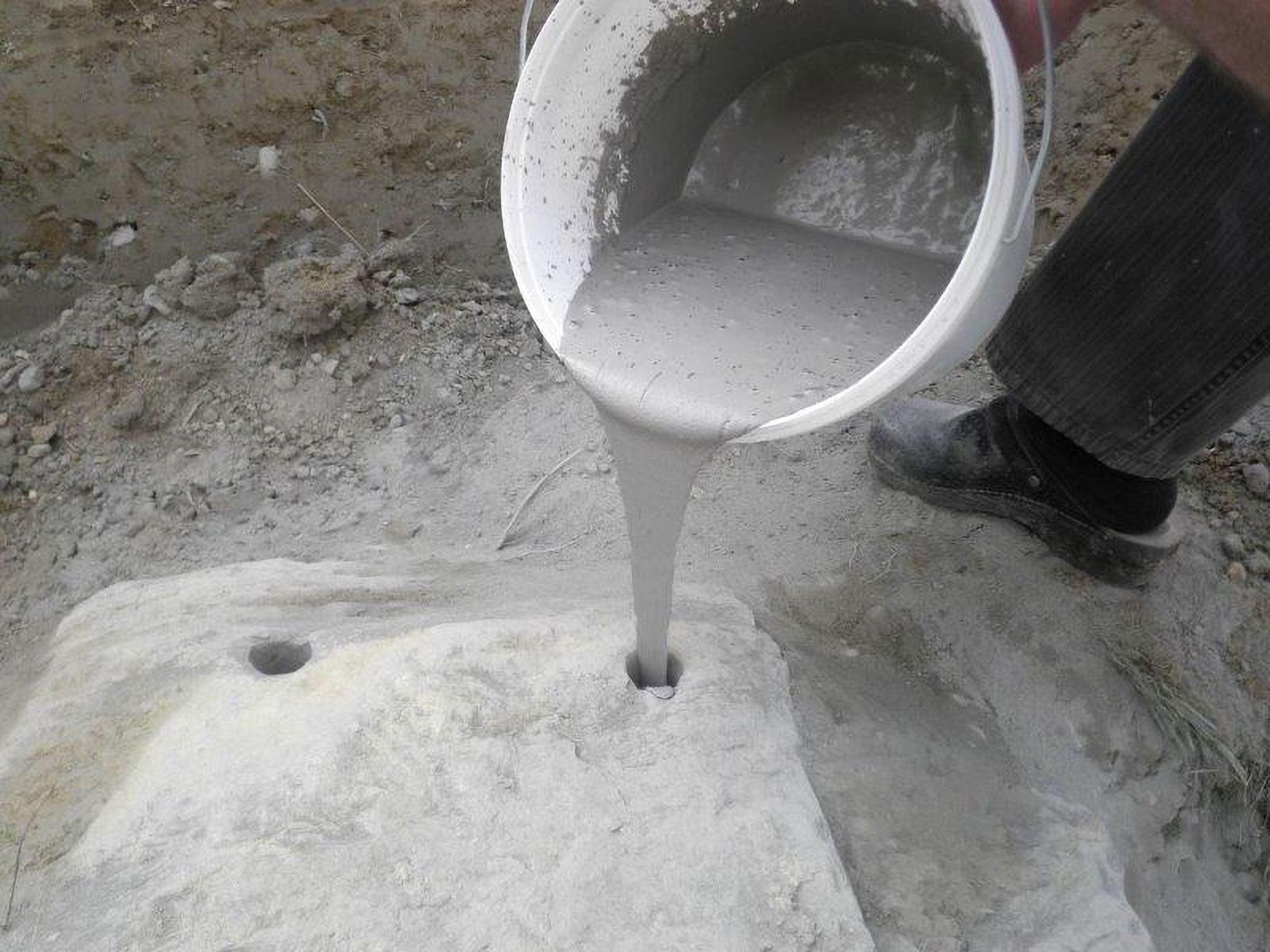
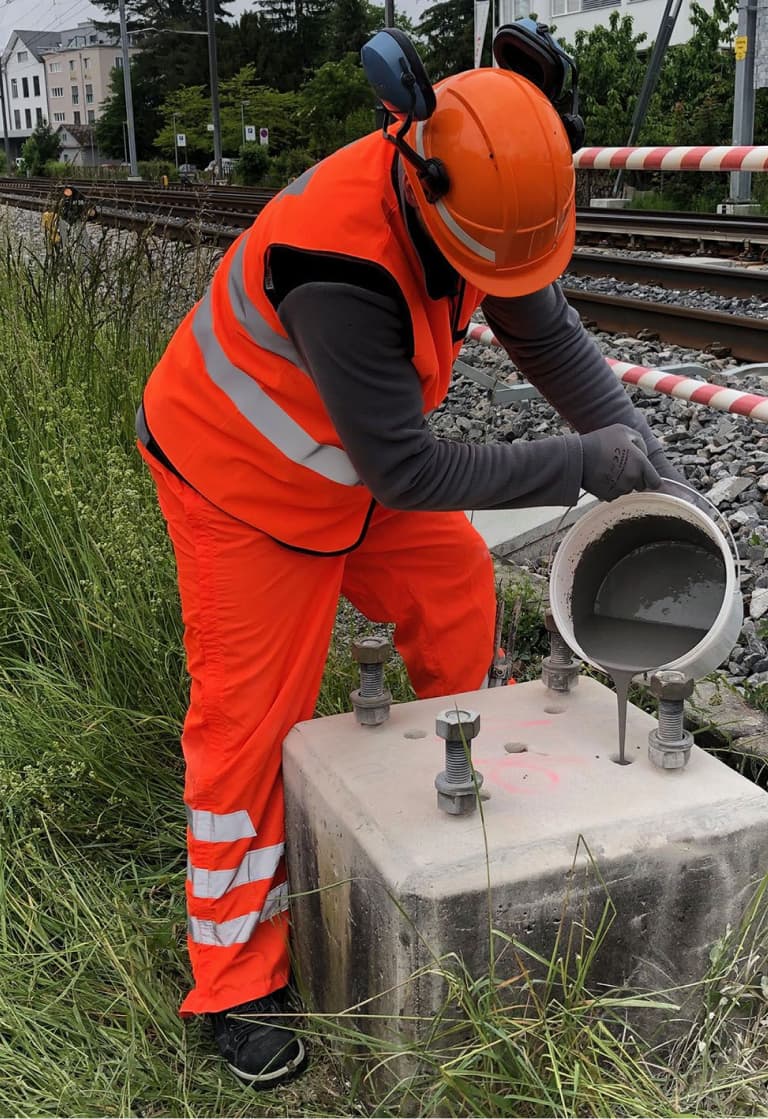
- Mix the powder with clean water
- Pour it into the holes
- Leave it to expand and fracture the material
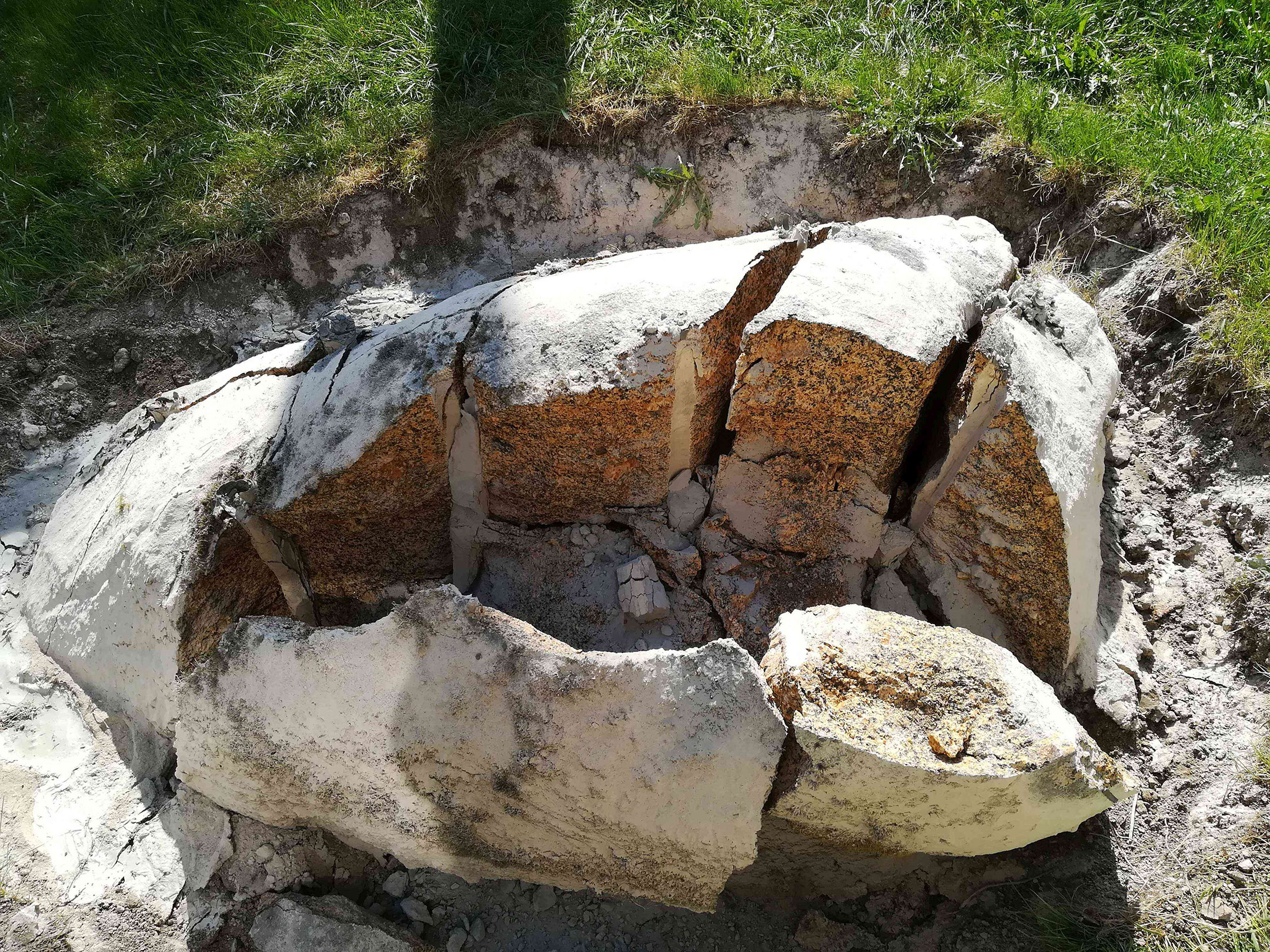
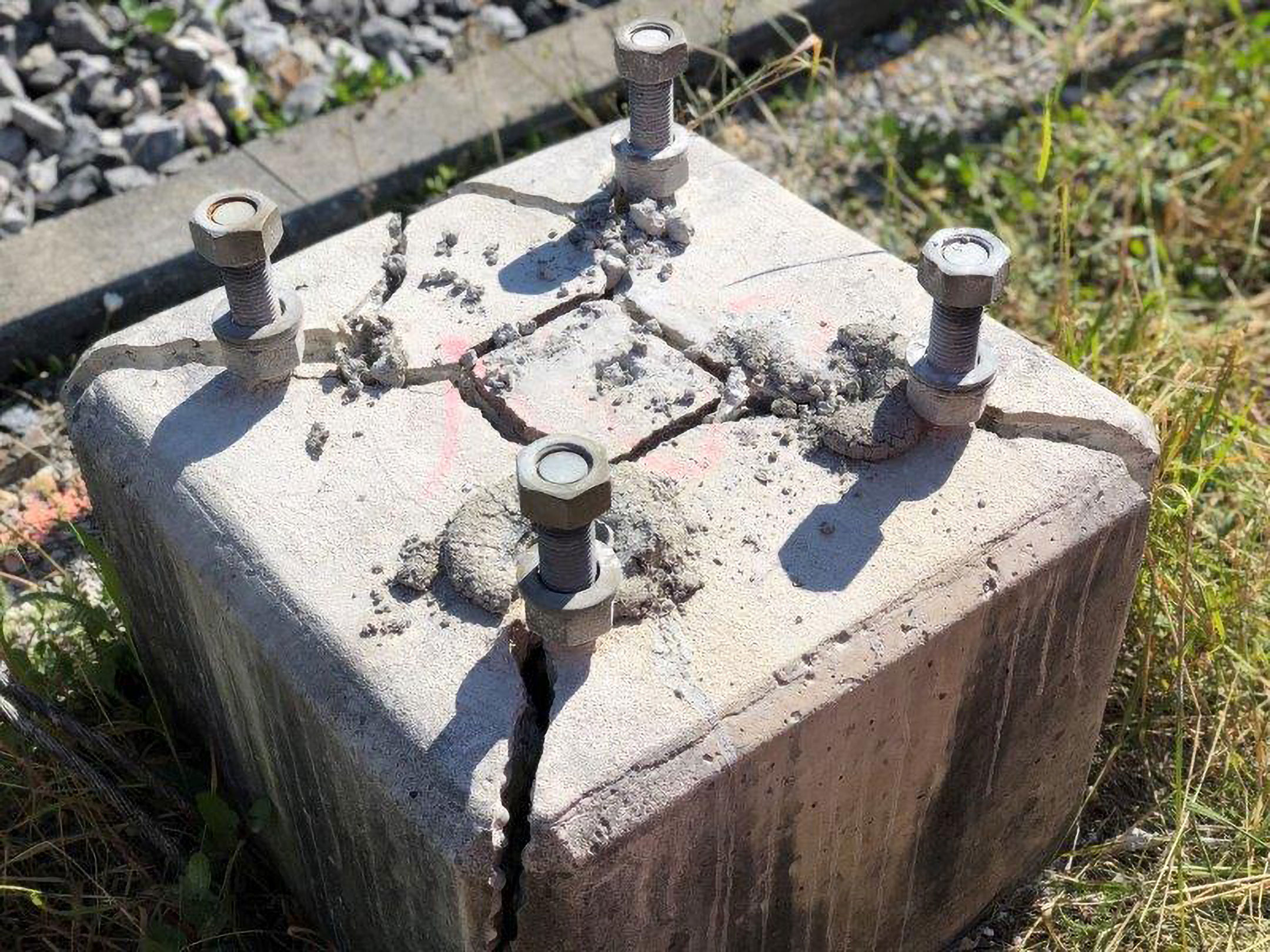
As it cures, it generates expansive pressure inside the holes, cracking the surrounding concrete or rock.
No blasting licence.
No explosive handling permits.
No specialist demolition certification required.
How It Works on Site
It’s a simple sequence: Drill → Mix → Fill → Wait
Once the holes are drilled correctly, the rest is manageable with standard site tools and basic PPE.
The cracking happens gradually. That slower action gives you control, especially on sensitive sites.
There’s no flying debris and no vibration transfer into surrounding structures.
Where Non-Explosive Methods Make the Most Sense
A non-explosive demolition agent is particularly useful where traditional methods create disruption or risk.
Common applications include:
- Foundation removal near existing buildings
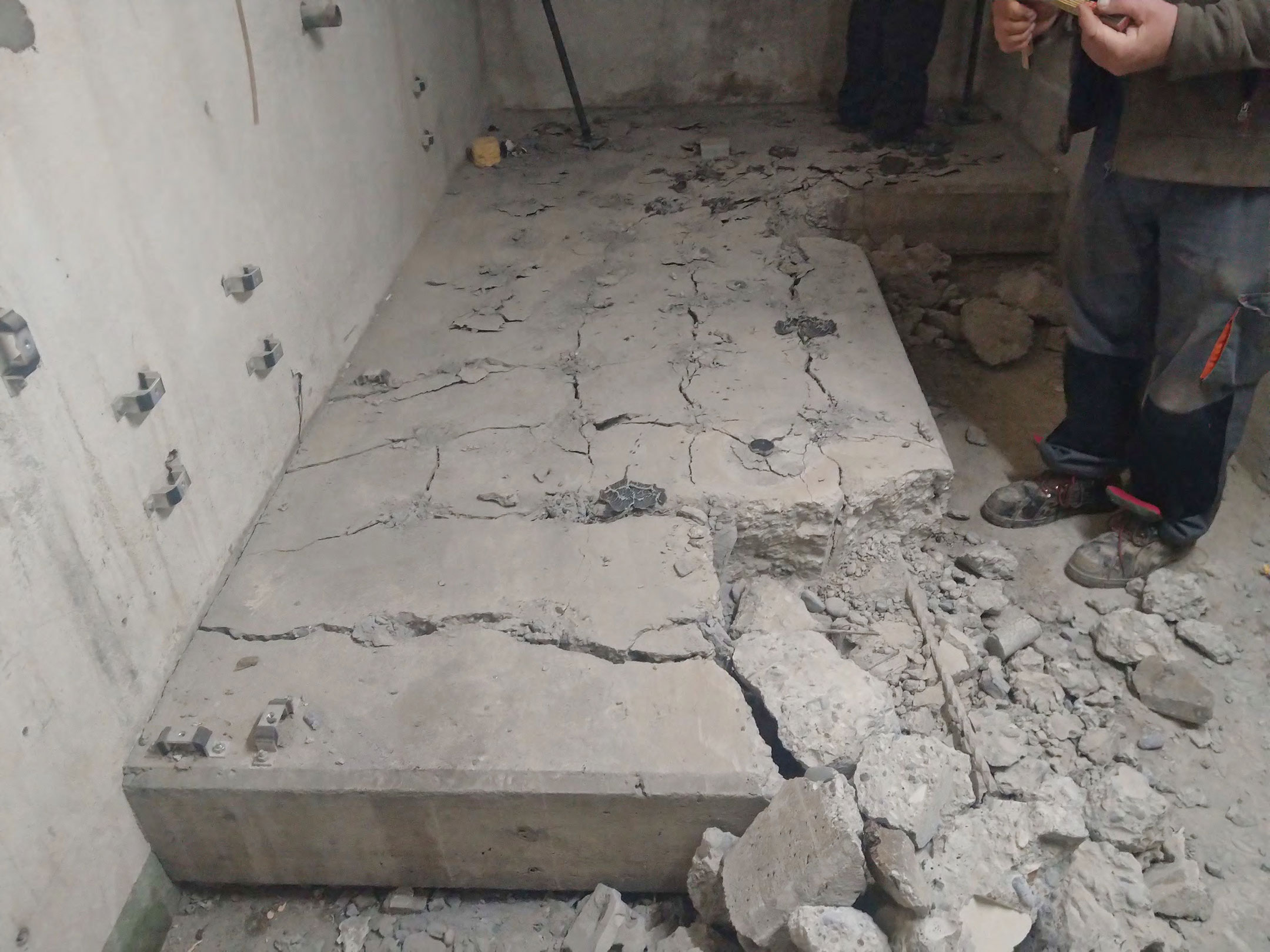
- Breaking reinforced concrete without disturbing adjoining slabs
- Boulder removal in gardens or driveways
- Internal slab removal
- Rock in trenches
- Sites with strict noise restrictions
If you can drill it, you can break it – without heavy plant or explosive permits.
Comparing Your Options for Demolition Without a Blasting Licence
Blasting
Licence required: Yes
Vibration: High
Noise: High
Control: Limited
Jackhammer / Hydraulic Breaker
Licence required: No
Vibration: High
Noise: High
Control: Moderate
Hydraulic Splitter
Licence required: No
Vibration: Low
Noise: Low
Control: High
Non-Explosive Demolition Agent
Licence required: No
Vibration: None
Noise: Minimal
Control: High
For contractors looking for demolition without a blasting license, the main priorities are compliance, control and reduced disruption. Controlled expansion meets those needs on many sites.
Choosing the Right Method
If you don’t hold a blasting licence – and most contractors don’t – you’re not limited.
Mechanical breaking still has its place. Hydraulic splitters can work well in certain conditions.
But where:
- Vibration is a concern
- Noise is restricted
- Neighbours are close
- Utilities are nearby
- Access is tight
- Explosives are not permitted
A non-explosive demolition agent provides a controlled, practical alternative.
Demolition without a blasting license doesn’t mean compromising on effectiveness. It means choosing a method that fits modern site conditions – one that keeps you compliant, reduces risk and stays manageable without specialist demolition certification.
Skip the permits, skip the vibration and get the job done properly. Shop BETONAMIT® and take control of your demolition work.