Demolition near power lines requires more than standard precautions. The presence of overhead lines or buried cables can change the most suitable demolition method, the equipment that can be used and the sequence of work.
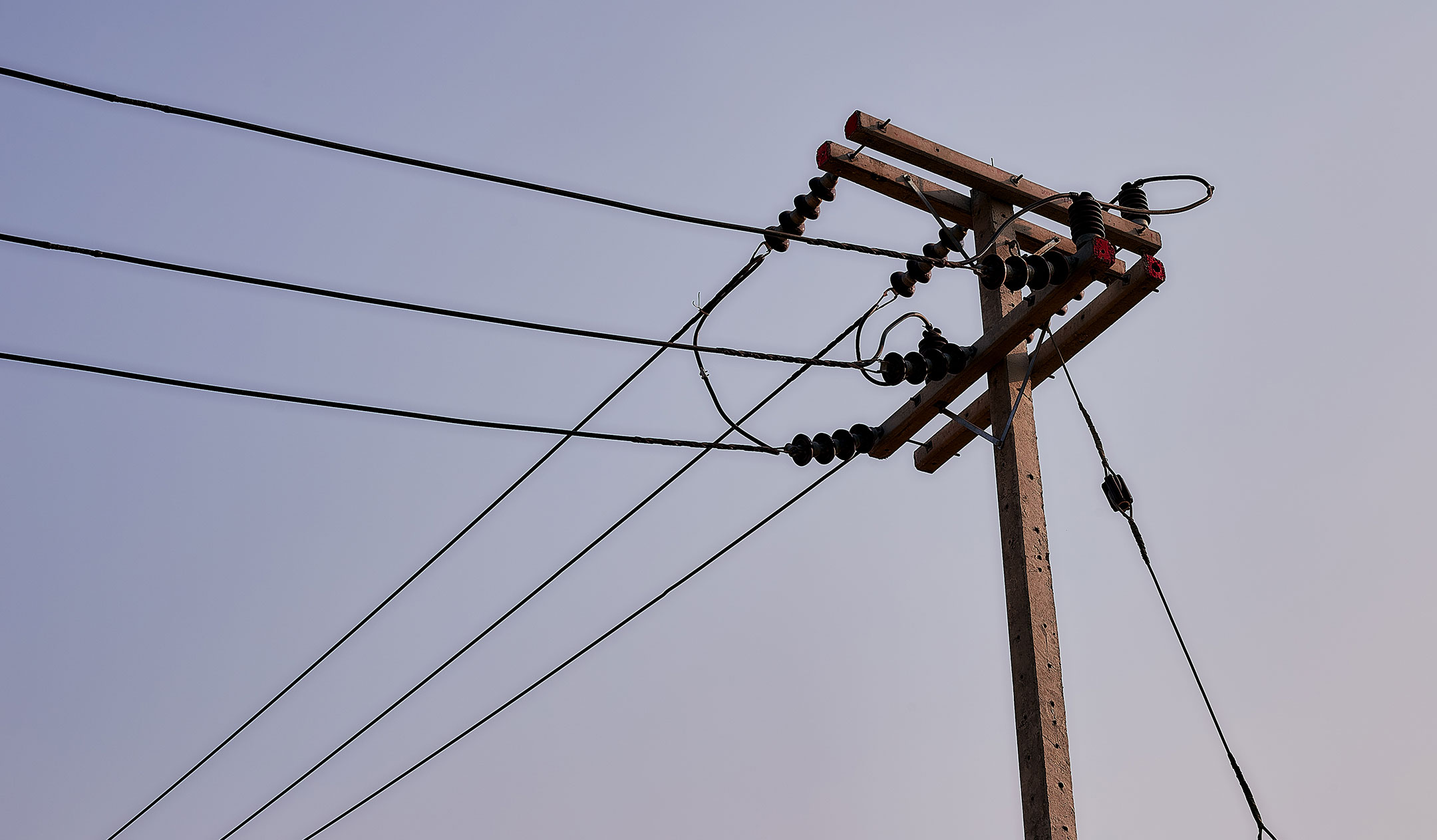
The risks are not limited to direct contact with an electrical cable. Plant, raised vehicle bodies, scaffold poles, tools and falling debris can all create an overhead line hazard. Below ground, drilling, breaking and excavation can damage cables that have not been properly identified.
For concrete, stone or rock removal near electrical infrastructure, the job needs to be planned around the services from the start. That includes access, plant movement, break lines, exclusion zones and the way material will be removed once it has cracked.
Why power line proximity changes the demolition method
Mechanical breaking can work on open sites with clear access and no nearby constraints. A hydraulic breaker or jackhammer may be suitable where plant movement, debris and noise can be managed safely.
Near electrical infrastructure, the decision is more complex. Excavator booms, breaker attachments, lifting equipment, ladders, scaffold components and tipper bodies can all create an overhead line risk. Electricity can also flash over where equipment gets too close to a live line without making contact.
Buried cables present a different issue. They may run below slabs, driveways, footings, paths or garden features, and service drawings may not show their exact route or depth.
A demolition risk assessment for power lines should consider:
- The location and type of overhead lines or underground services
- The material and intended break line
- Plant height, reach and travel routes
- Drilling or excavation locations
- Falling debris and material handling
- Nearby buildings, boundaries and public areas
- Whether isolation, diversion or Network Operator controls are needed
The aim is to avoid creating additional risk through the demolition method. HSE guidance requires suitable working, exclusion and debris zones for the technique and space available.
HSE guidance and safe distance requirements for overhead lines
There is no single safe distance from overhead power lines for every demolition project. Clearance depends on the line, voltage, equipment and site conditions. The line owner or Network Operator must be contacted to establish the controls needed for the proposed work.
HSE advises that work should not take place under a power line where equipment could come within 6 metres without first getting advice. For some types of plant, HSE construction guidance gives wider distances. For example, it states that plant should not approach closer than 9 metres plus the jib length for lines on wooden poles, or 15 metres plus the jib length for lines on steel towers.
The safe distance from overhead power lines during demolition must account for the full operation, not just the breaking tool. Consider:
- Excavator booms and hydraulic breaker attachments
- Tipper lorries with raised bodies
- Cranes, Hiabs and delivery vehicles
- Scaffold poles, ladders and long materials
- Stockpiles and skips
- Debris that could fall or be thrown outside the work area
Overhead lines should be treated as live unless their owner confirms otherwise. Where work must take place nearby, agree suitable controls with the Network Operator, such as plant restrictions, barriers or controlled access routes.
Underground cable risks before breaking starts
Underground services must be located and marked before any breaking work starts. HSE HSG47 identifies three basic elements of a safe system of work: planning the work, locating and identifying buried services and safe excavation.
Obtain available utility plans before starting. Then use suitable locating equipment, such as a Cable Avoidance Tool or CAT scanner, to support the site investigation. Mark detected service routes clearly and ensure the team understands where they are.
A service plan or CAT scan may not confirm a cable’s exact position or depth. Cables may not follow a direct route, so the demolition method should allow for any uncertainty. HSE advises using plans and CATs to locate and mark buried services, and avoiding mechanical excavators or power tools within 0.5 metres of a suspected route.
This can affect where a slab, footing or hardstanding can be drilled or mechanically broken. Check for hidden services and structural risks before work begins, then seek competent advice for complex or structural work.
Why vibration and debris are key concerns
Mechanical breakers apply repeated impact force to the material. This may be appropriate where there is open space, confirmed service locations and enough room for plant and debris control.
However, vibration from mechanical breakers can disturb buried cables even without direct contact, particularly where the material and surrounding ground move as breaking progresses.
Uncontrolled cracking or falling sections can also damage exposed equipment, nearby structures or service protection measures.
The risk assessment should consider whether:
- Breaking could affect the ground around a known cable route
- Drilling or breaker work could strike a concealed cable
- A cracked section could fall towards electrical equipment
- Plant access could breach an agreed overhead line clearance
- Debris can be contained within the planned work area
- A more controlled break sequence would reduce disruption
Mechanical breaking is not automatically unsuitable near utilities. It may still be the right method for an open area with good access and properly managed controls. The key is to select the method around the confirmed site conditions rather than treating every concrete removal job in the same way.
How BETONAMIT® can support controlled breaking near utilities
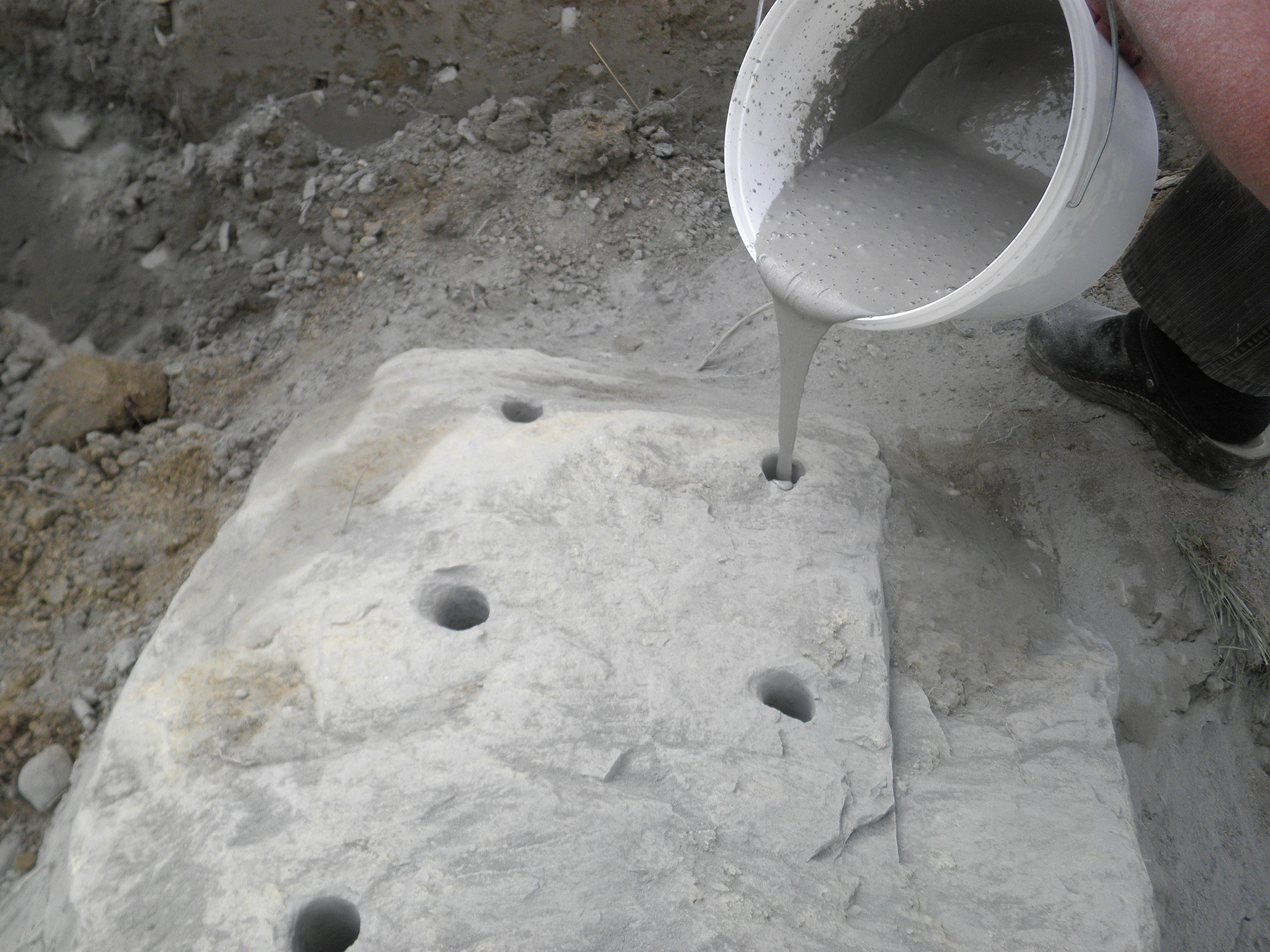
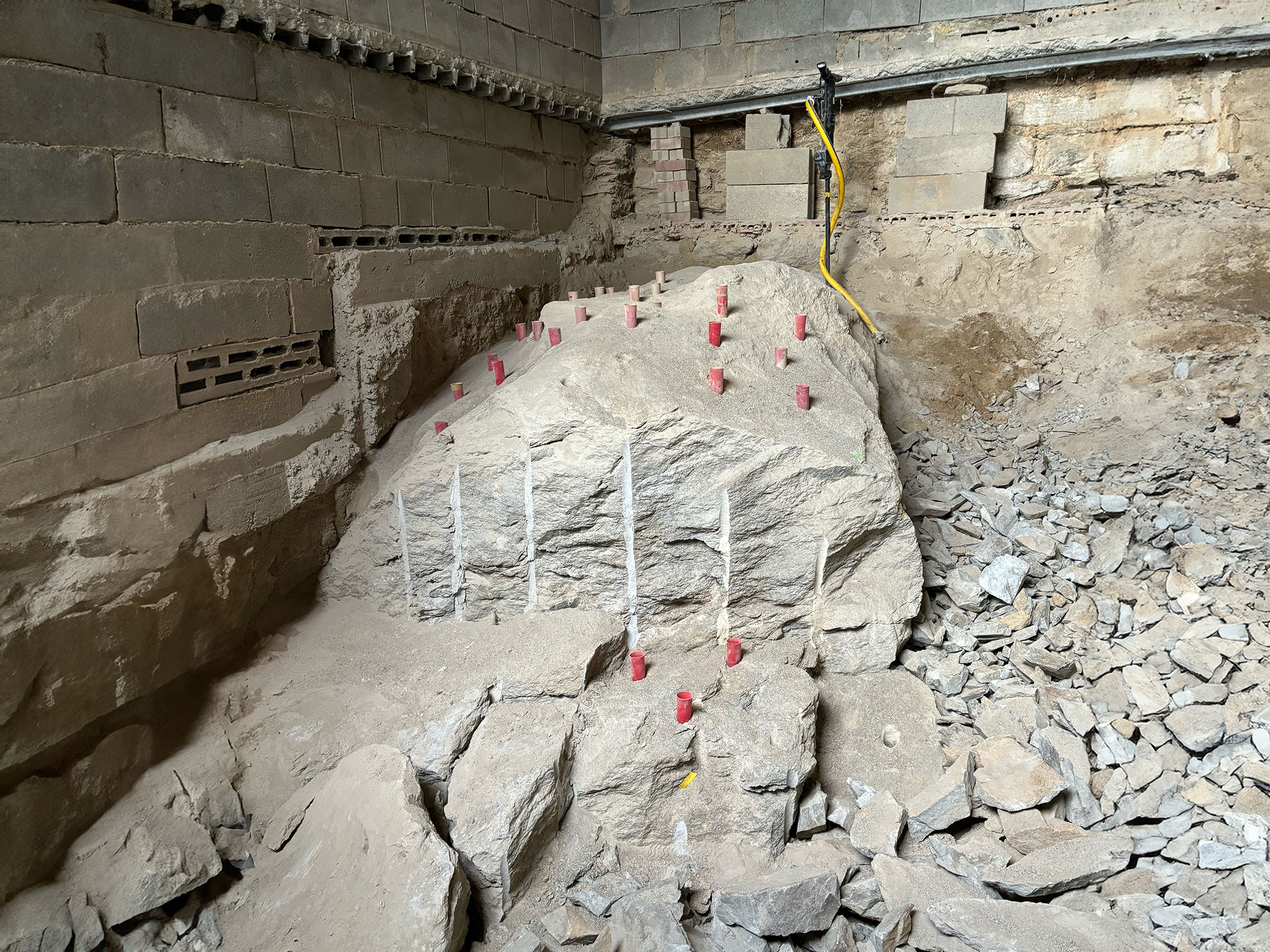
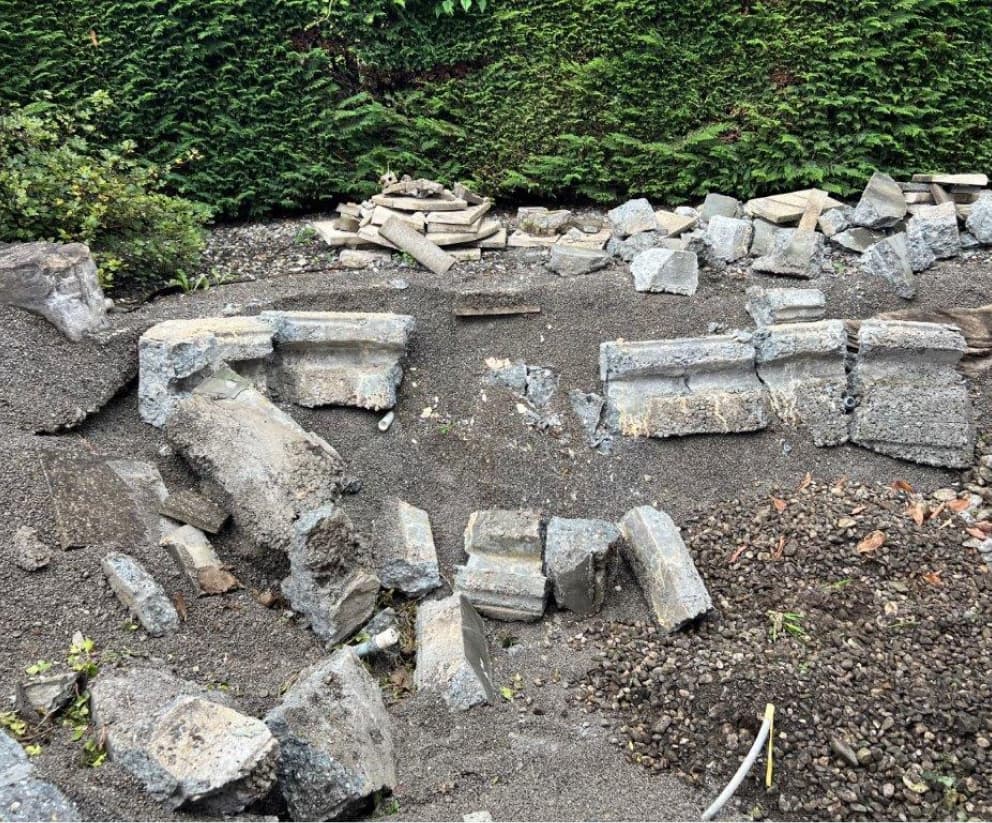
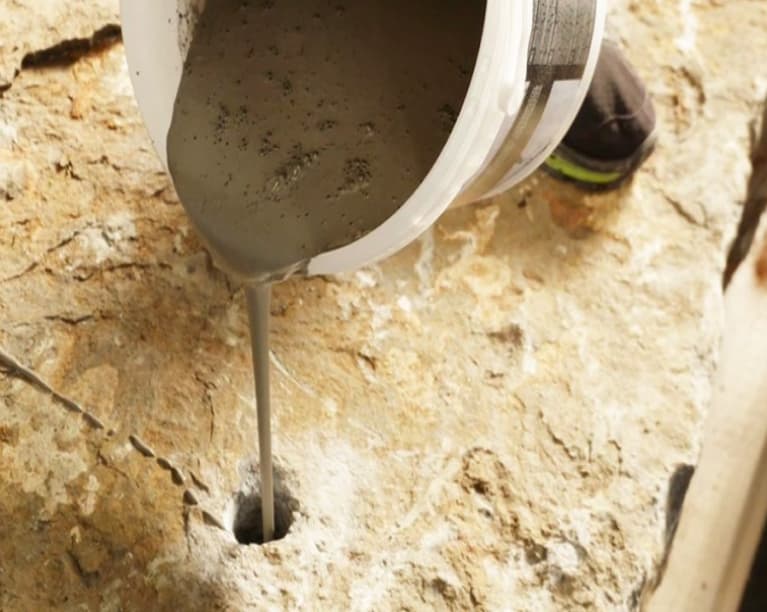
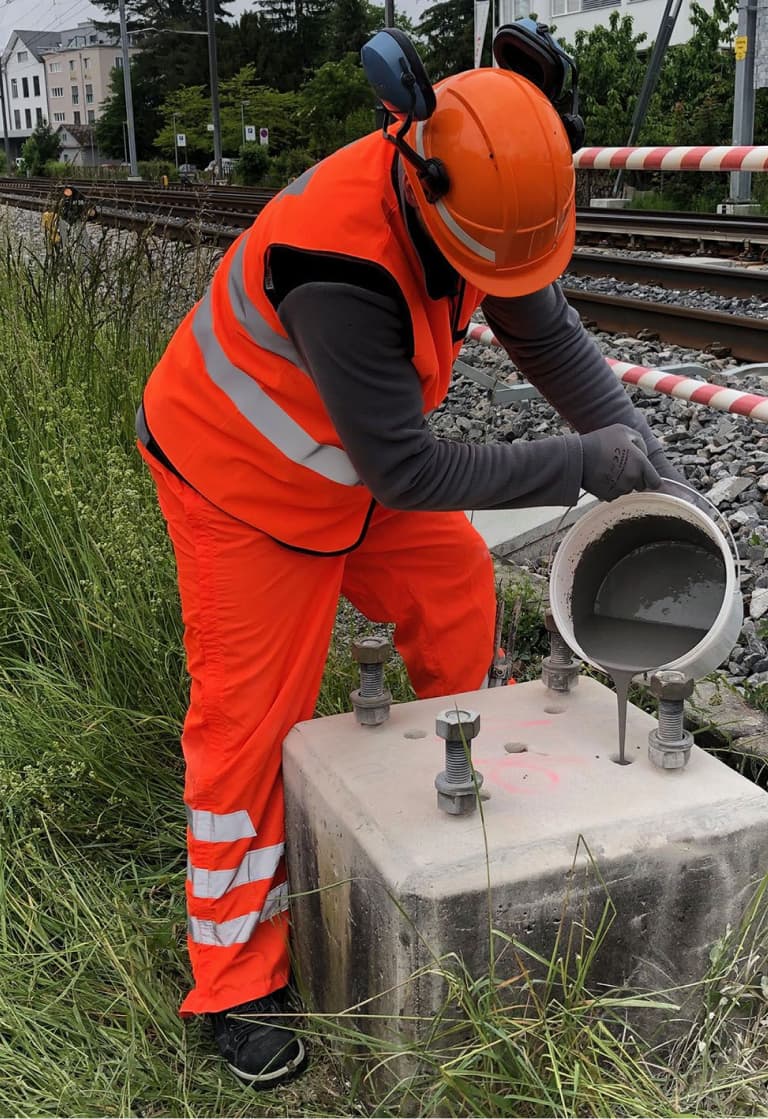
BETONAMIT® is a non-explosive demolition agent and expansive mortar for breaking concrete, rock and stone through controlled expansion.
After being mixed with water and placed into drilled holes, BETONAMIT® expands gradually and can fracture the material.
The process is straightforward: Drill > Mix > Fill > Wait.
This controlled approach is useful where impact-led mechanical breaking could be disruptive, access for larger machinery is restricted or a planned break sequence is preferred near sensitive infrastructure.
The most suitable approach depends on the material, reinforcement, borehole pattern, working space and the location of nearby electrical infrastructure. Follow approved instructions and relevant site controls throughout the work.
Where controlled breaking is the priority, BETONAMIT® offers a practical alternative to aggressive mechanical impact. A low noise demolition solution may also be relevant where nearby properties or restricted working hours are part of the challenge.
Coordinating with utility providers before work begins
Contact the Network Operator or relevant utility provider early where overhead lines or underground cables may affect the work. Share the site location, demolition area, expected plant and access arrangements so they can advise on clearances, isolation, diversion or other controls.
Do not wait until machinery is on site, as utility arrangements can affect the programme. If a cable or power line is damaged, keep clear of the area and follow the site emergency arrangements.
Selecting the right method around electrical infrastructure
Demolition near power lines is manageable when electrical hazards are identified early and the method is chosen around the site constraints.
Mechanical breakers may remain suitable where there is clear space, secure access and confirmed service locations. BETONAMIT® is a practical option where a controlled non-explosive method is preferred near utilities, sensitive structures or restricted access areas.
For a power line-adjacent project, speak to us about whether BETONAMIT® could suit your planned concrete, rock or stone breaking work.
Ready to get started? Shop BETONAMIT® now.